





In the vibrant world of New Zealand’s hospitality industry, the shift from traditional print advertising to dynamic video content is reshaping how businesses engage with their audiences. This trend is not just a passing phase but a fundamental transformation driven by technological advancements and changing consumer preferences. Understanding why video outperforms print ads in seasonal hospitality promotions is crucial for businesses looking to stay competitive in this dynamic market.
What Makes Video Marketing More Effective Than Print Ads in New Zealand?
Video marketing offers several advantages over print advertising, particularly in the context of New Zealand’s hospitality sector. According to a 2023 report by the Ministry of Business, Innovation and Employment (MBIE), digital advertising, including video content, accounted for over 60% of total advertising spend in New Zealand. This shift is largely due to video’s ability to engage users more effectively through visual storytelling and emotional connection.
- Engagement: Videos capture attention more effectively than static print ads, leading to higher engagement rates.
- Reach: Platforms like YouTube and social media channels allow businesses to reach wider audiences, a crucial factor for seasonal promotions.
- Measurability: Video marketing offers valuable analytics, enabling businesses to track and optimize their promotional strategies in real-time.
Case Study: Air New Zealand’s Holiday Campaign
Air New Zealand, a leader in the aviation industry, successfully leveraged video marketing for its 2022 holiday campaign. Facing the challenge of declining international travel during the pandemic, the company crafted a compelling video series showcasing New Zealand’s scenic destinations and unique experiences. The result? A 35% increase in bookings during the holiday season, demonstrating the power of video in reviving interest and driving sales.
How Do Seasonal Trends Influence the Effectiveness of Video Advertising?
Seasonal trends play a significant role in shaping the effectiveness of video marketing in New Zealand’s hospitality sector. New Zealand’s unique climate and tourist seasons demand tailored marketing strategies that resonate with both local and international audiences.
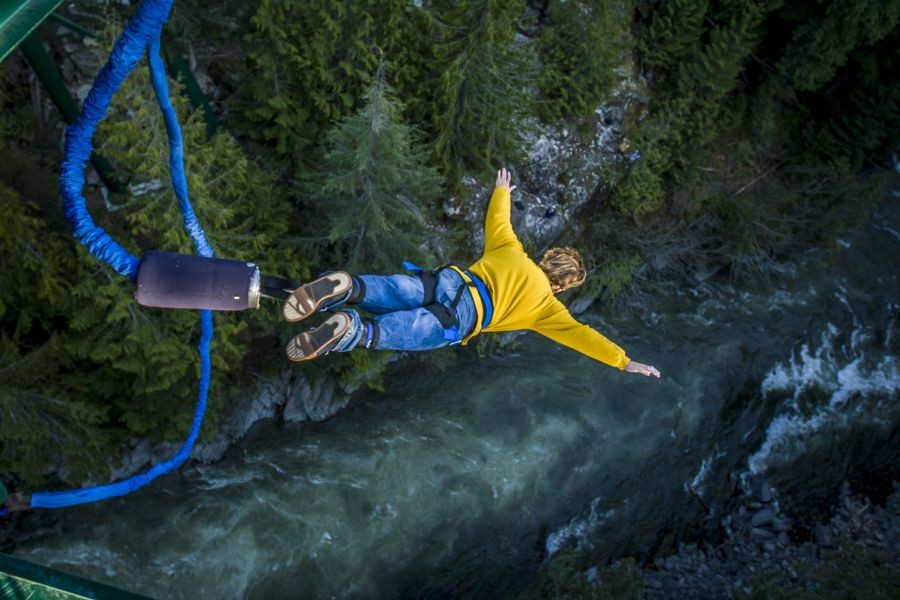
- Summer Campaigns: Videos highlighting outdoor adventures and coastal activities attract tourists seeking summer experiences.
- Winter Promotions: Content focusing on winter sports and cozy escapes appeals to visitors during colder months.
According to Stats NZ, the tourism industry contributes significantly to the country’s GDP, emphasizing the need for effective marketing strategies to capitalize on seasonal fluctuations. Video content, with its ability to convey immersive experiences, aligns perfectly with the diverse offerings of New Zealand’s tourism landscape.
What Are the Pros and Cons of Video vs. Print Advertising?
Evaluating the pros and cons of video and print advertising provides valuable insights for businesses determining the best approach for their marketing strategies.
Pros of Video Advertising:
- Higher Engagement: Video content captures audience attention, leading to higher engagement rates and improved brand recall.
- Versatility: Videos can be shared across multiple platforms, increasing reach and visibility.
- Emotional Connection: Video storytelling fosters a deeper emotional connection with the audience, enhancing brand loyalty.
Cons of Video Advertising:
- Production Costs: Creating high-quality video content can be costly and time-consuming.
- Technical Challenges: Video marketing requires technical expertise in filming and editing, which may pose challenges for some businesses.
Pros of Print Advertising:
- Tangible and Lasting: Print ads offer a physical presence, which can create lasting impressions.
- Targeted Reach: Print ads can effectively target specific demographics through specialized publications.
Cons of Print Advertising:
- Limited Engagement: Print ads lack the dynamic and interactive elements of video content.
- Decreasing Reach: As digital platforms gain popularity, the reach of print advertising is diminishing.
What Are the Future Trends in Video Marketing for New Zealand’s Hospitality Sector?
The future of video marketing in New Zealand’s hospitality sector is promising, with several emerging trends poised to influence marketing strategies.
- Interactive Videos: The rise of interactive video content allows viewers to engage directly with the content, enhancing user experience.
- Augmented Reality (AR): Integrating AR into video marketing offers immersive experiences, particularly appealing to tourists exploring potential travel destinations.
- Sustainability Focus: With growing awareness of environmental issues, videos highlighting sustainable practices will resonate with eco-conscious consumers.
According to a recent study by the University of Auckland, businesses incorporating sustainable practices in their marketing strategies are likely to see an increase in consumer trust and engagement. This trend aligns with New Zealand’s commitment to sustainability and offers a competitive advantage in the hospitality industry.
FAQs About Seasonal Hospitality Promotions in New Zealand
How do seasonal hospitality promotions impact New Zealand’s economy?
Seasonal hospitality promotions drive tourism, contributing significantly to New Zealand’s economy. They boost local businesses, create jobs, and increase GDP, particularly during peak tourist seasons.
What are the biggest misconceptions about video marketing in hospitality?
A common myth is that video marketing is too costly for small businesses. However, affordable production tools and platforms make video marketing accessible to businesses of all sizes, offering high ROI and engagement.
Final Takeaways
- Adaptability: Businesses should tailor video content to align with seasonal trends and consumer preferences.
- Investment in Quality: Investing in high-quality video production enhances engagement and brand perception.
- Emphasis on Sustainability: Highlighting sustainable practices in video marketing aligns with consumer values and strengthens brand loyalty.
In conclusion, video marketing offers a dynamic and effective platform for seasonal hospitality promotions in New Zealand. By leveraging the power of video, businesses can create engaging, emotionally resonant content that drives consumer engagement and enhances brand loyalty. As the industry continues to evolve, staying ahead of emerging trends will be crucial for businesses looking to thrive in New Zealand’s competitive hospitality market.
Related Search Queries
- Video marketing trends in New Zealand
- Seasonal promotions in hospitality industry
- Advantages of video over print advertising
- New Zealand tourism marketing strategies
- Impact of digital marketing on hospitality
For the full context and strategies on Seasonal Hospitality Promotions in NZ: Why Video Outperforms Print Ads, see our main guide: Seasonal Promotion Videos Hospitality Nz.



























my instantiv
13 days ago