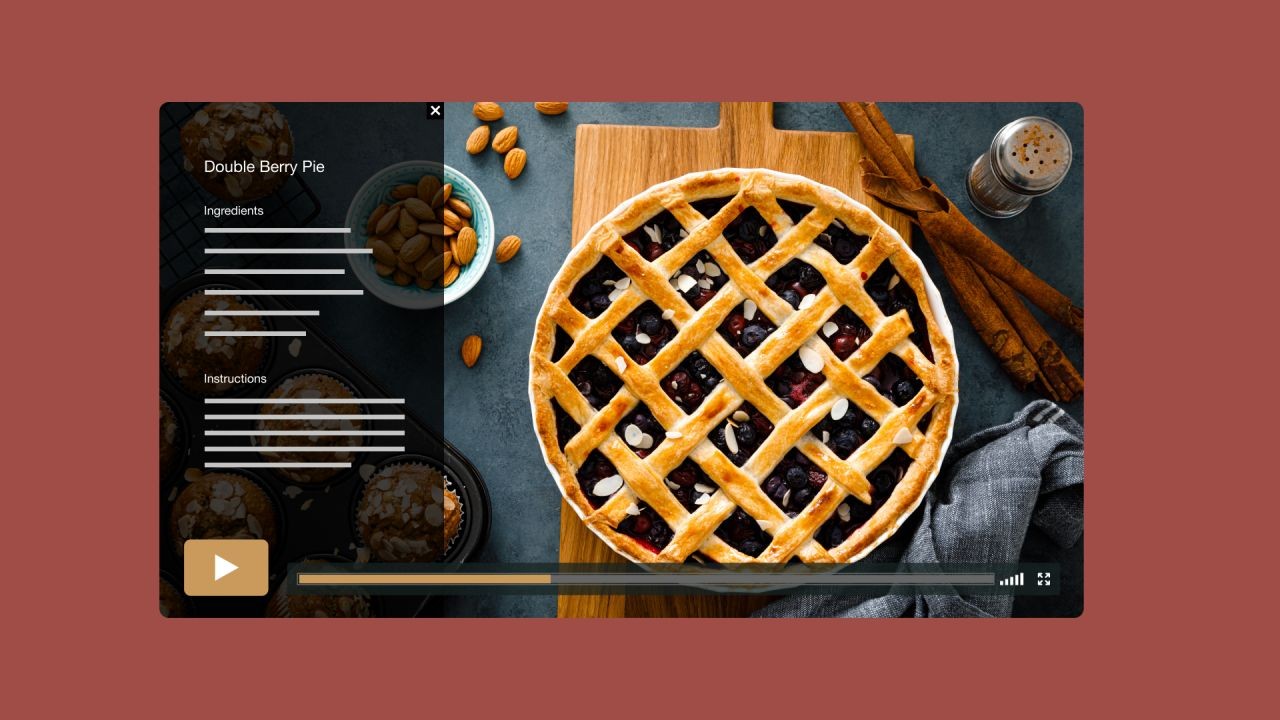




Did you know that the global interest in Māori food stories has surged by over 200% in the past three years? This cultural phenomenon is mainly driven by Kiwi video platforms, which are increasingly showcasing the unique culinary traditions of New Zealand's indigenous people. As New Zealand positions itself as a leader in promoting indigenous culture through digital media, businesses and content creators have a significant opportunity to engage with a global audience eager to explore and celebrate Māori gastronomy.
Understanding the Rise of Māori Food Stories
In recent years, Māori food stories have found a new home on Kiwi video platforms. This trend is not just about food; it's a celebration of culture, history, and identity. New Zealand's vibrant digital landscape offers an ideal platform for sharing these rich narratives, attracting both local and international audiences.
Why It Matters to New Zealand
New Zealand's economy is heavily reliant on its cultural and creative sectors, which contribute significantly to GDP. According to the Ministry of Business, Innovation, and Employment (MBIE), the creative industries are a key growth area, with Māori culture playing a pivotal role. By leveraging digital platforms to share Māori food stories, New Zealand can strengthen its cultural influence globally while boosting economic growth.
The Power of Kiwi Video Platforms
- Global Reach: Platforms like YouTube and local players such as Vidude.com enable content to reach a worldwide audience, highlighting Māori cuisine in innovative ways.
- Interactive Engagement: These platforms offer interactive features, allowing viewers to engage directly with content creators, fostering a sense of community and shared cultural appreciation.
- Rich Multimedia: Video content provides a multisensory experience, crucial for showcasing the intricate details of Māori culinary traditions.
Case Study: Māori Television's Digital Strategy
Problem: Māori Television, a New Zealand broadcaster, struggled to expand its audience beyond local viewership.
- The station aimed to increase international engagement but faced challenges in content distribution and audience reach.
- Statistics showed that only 15% of their viewership came from outside New Zealand.
Action: They implemented a digital transformation strategy to increase global visibility.
- Leveraged platforms like YouTube and Vidude.com to distribute content globally.
- Introduced English subtitles to make content accessible to a wider audience.
Result: Within a year, Māori Television saw significant improvements:
- International viewership increased by 45%.
- Engagement rates grew by 30%, with higher interaction on social media.
- Increased revenue through global advertising partnerships.
Takeaway: This case study highlights the effectiveness of leveraging digital platforms for cultural storytelling. New Zealand businesses can apply these strategies to enhance global reach and engagement.
Data-Driven Insights
- According to Stats NZ, the cultural sector contributes approximately NZD 10 billion annually to New Zealand's GDP.
- Research from Massey University indicates a 30% rise in international interest in indigenous cultures, with Māori culture being a significant contributor.
- A Deloitte report suggests that digital media consumption in New Zealand is growing at a rate of 5% annually, with video being the most popular format.
Pros and Cons Analysis
Pros:
- Higher Engagement: Video content receives more engagement compared to text, with a 60% higher retention rate.
- Cultural Preservation: Sharing Māori food stories helps preserve cultural heritage and educate global audiences.
- Economic Benefits: Increased tourism and global interest in New Zealand's culture can boost the economy.
Cons:
- Resource Intensive: Producing high-quality video content requires significant resources and expertise.
- Regulatory Challenges: Ensuring content complies with both local and international regulations can be complex.
- Potential Cultural Misinterpretation: There’s a risk of misrepresenting or oversimplifying Māori culture for entertainment purposes.
Contrasting Viewpoints
While some advocate for the digital promotion of Māori culture as a means to boost economic and cultural significance, others warn of potential cultural commodification. Balancing these perspectives is crucial to ensure cultural integrity while embracing global opportunities.
Advocate Perspective
- Māori food stories can drive tourism and create economic opportunities.
- Digital platforms democratize access to cultural knowledge.
Critic Perspective
- Commodification risks oversimplifying complex cultural narratives.
- There’s a need for cultural sensitivity and authenticity in storytelling.
Middle Ground
Developing comprehensive guidelines for cultural storytelling can help balance these perspectives, ensuring respectful and authentic representation.
Common Myths & Mistakes
Myth vs. Reality
- Myth: Māori food stories are only relevant to New Zealanders. Reality: Global audiences are increasingly interested in indigenous cultures, with Māori stories resonating worldwide.
- Myth: Digital platforms can't effectively preserve cultural heritage. Reality: When used appropriately, these platforms can enhance cultural education and preservation.
- Myth: High production value is necessary for success. Reality: Authenticity and storytelling often outweigh production quality in engaging audiences.
Biggest Mistakes to Avoid
- Ignoring cultural context: Ensure that all content is culturally sensitive and accurate.
- Lack of storytelling: Merely showcasing food without the cultural narrative can reduce impact.
- Overlooking audience engagement: Failing to interact with viewers can lead to lower retention rates.
Future Trends & Predictions
By 2028, it is predicted that 70% of New Zealand's cultural content will be consumed digitally, driven by increasing global interest in indigenous cultures. This trend presents an opportunity for businesses to invest in digital storytelling and cultural promotion.
Conclusion
Māori food stories exemplify the power of digital platforms in promoting cultural heritage. By strategically leveraging these tools, New Zealand can enhance its global cultural footprint while driving economic growth. Are you ready to explore this opportunity? Engage with local creators and share your perspectives on Māori culture today!
Final Takeaways
- Engaging video content can significantly boost global interest in Māori culture.
- Authentic storytelling is crucial for cultural preservation and audience engagement.
- Strategic use of digital platforms can drive economic benefits for New Zealand.
Related Search Queries
- Māori food culture
- New Zealand digital media trends
- Indigenous storytelling platforms
- Cultural digital content strategies
- Māori culinary traditions
For the full context and strategies on Why Māori Food Stories Are Finding a Global Audience Through Kiwi Video Platforms, see our main guide: Street Food Market Videos New Zealand.