




Australia, renowned for its robust education system, is on the brink of transformative changes driven by technological advancements, policy reforms, and evolving economic demands. As we look towards 2030, the landscape of education in Australia is set to undergo significant shifts, offering both challenges and unprecedented opportunities. This article delves into the future of education in Australia, providing actionable insights and strategies for stakeholders to navigate this evolving terrain.
Introduction
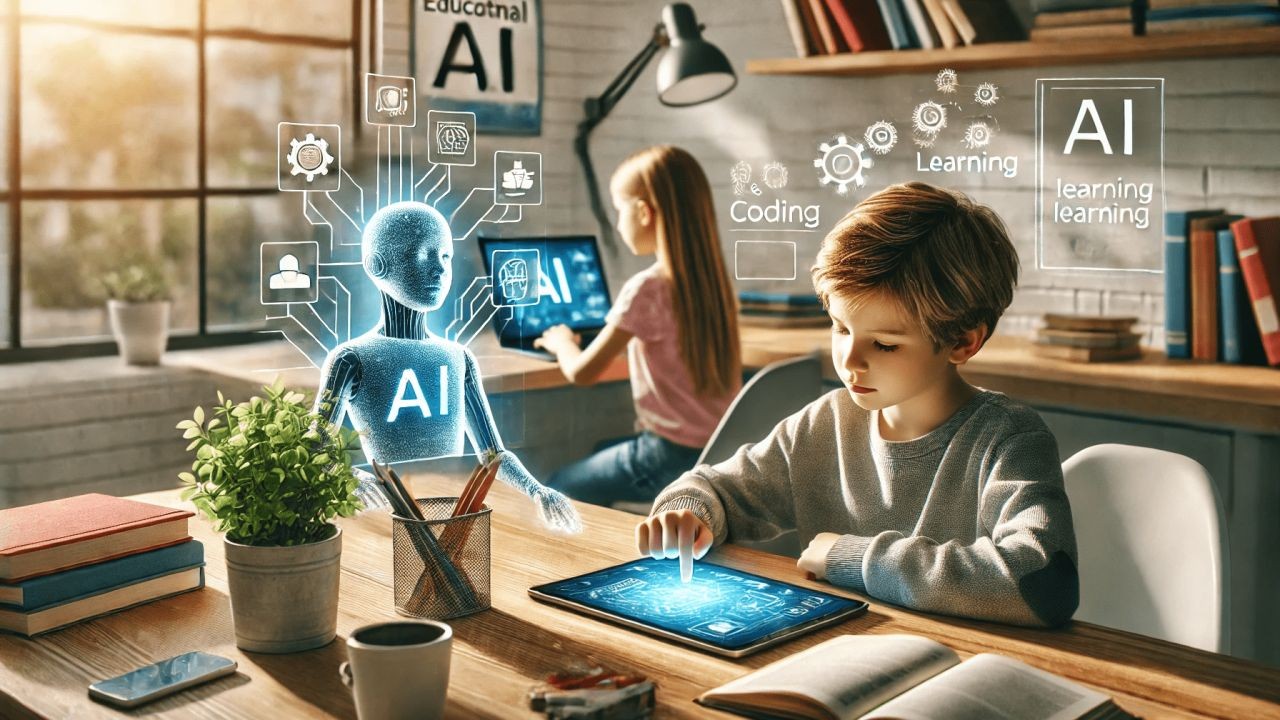
Imagine a classroom where students interact with AI tutors, engage in virtual reality field trips, and collaborate on projects with peers worldwide. This vision is not far-fetched but a reflection of where Australian education is heading. Driven by the need to equip students with future-ready skills, the education sector is embracing innovation at an unprecedented pace.
With the Australian Bureau of Statistics (ABS) forecasting a 10% growth in digital jobs by 2030, integrating technology into education is not just an option; it's imperative. This article explores the transformative trends shaping Australian education, backed by data and real-world examples, to provide a comprehensive guide for navigating the future of learning.
1. Embrace Technological Integration
The integration of technology into education is already reshaping how students learn and educators teach. By 2030, digital tools like AI, virtual reality (VR), and blockchain are expected to be commonplace in Australian classrooms.
1.1 Steps to Implement Technology-Enhanced Learning
- Evaluate Needs: Assess the specific needs of your institution or classroom. Determine which technologies align with your educational goals.
- Invest in Training: Ensure educators are trained to use new technologies effectively. Professional development programs are crucial for successful implementation.
- Integration Strategy: Develop a comprehensive plan for integrating technology, considering infrastructure, curriculum design, and student engagement.
- Monitor Progress: Continuously assess the impact of technology on learning outcomes and make adjustments as needed.
Example: The University of Sydney has successfully integrated VR into its medical courses, allowing students to simulate surgeries and procedures, resulting in a 30% increase in practical skills proficiency.
2. Foster Industry-Academia Collaboration
As industries evolve, so must the skills taught in educational institutions. By 2030, deeper collaboration between academia and industry will be pivotal in ensuring students are job-ready upon graduation.
2.1 Building Successful Partnerships
- Identify Key Industries: Focus on sectors experiencing growth, such as technology, healthcare, and renewable energy.
- Develop Internship Programs: Facilitate internships and work placements to give students real-world experience.
- Joint Curriculum Development: Collaborate with industry experts to design curricula that meet current and future workforce needs.
- Research & Development: Engage in joint R&D projects to drive innovation and provide students with hands-on experience.
Case Study: The partnership between RMIT University and IBM has resulted in a cutting-edge cybersecurity program, equipping students with skills in threat detection and prevention, crucial for Australia's growing tech sector.
3. Emphasize Lifelong Learning
The fast-paced nature of technological and economic change means that learning can no longer stop after formal education. By 2030, lifelong learning will be a cornerstone of the Australian education system.
3.1 Encouraging Continuous Skill Development
- Micro-Credentials: Offer short, targeted courses that allow professionals to upskill without committing to long-term study.
- Flexible Learning Options: Provide online and part-time study options to accommodate working professionals.
- Industry-Recognized Certifications: Ensure that courses and certifications are recognized by industry bodies and employers.
- Alumni Networks: Leverage alumni networks to facilitate knowledge sharing and mentoring opportunities.
Insight: According to the Australian Treasury, individuals who engage in lifelong learning earn, on average, 13% more than those who do not, highlighting the economic benefits of continuous education.
4. Prioritize Equity and Access to Education
Ensuring equal access to quality education remains a critical goal. By 2030, efforts to bridge the gap between urban and rural educational opportunities will be intensified.
4.1 Strategies for Enhancing Educational Equity
- Digital Infrastructure Investment: Expand internet access in remote areas to support online learning.
- scholarships and Financial Aid: Provide financial support to students from disadvantaged backgrounds.
- Inclusive Curriculum Design: Develop curricula that reflect diverse cultures and perspectives.
- Community Partnerships: Collaborate with community organizations to support at-risk students.
Example: The Western Australian government's initiative to provide free tablets and internet access to remote Aboriginal communities has increased student engagement and improved educational outcomes.
5. Leverage Data-Driven Insights for Decision Making
The use of data analytics in education is set to revolutionize how institutions make strategic decisions. By leveraging data, educators can personalize learning experiences and improve student outcomes.
5.1 Implementing Data-Driven Strategies
- Data Collection Systems: Invest in systems that collect and analyze student performance data.
- Personalized Learning Pathways: Use data to tailor learning experiences to individual student needs.
- Predictive Analytics: Employ predictive analytics to identify students at risk of falling behind and intervene early.
- Performance Metrics: Establish clear metrics to evaluate the effectiveness of educational programs.
Case Study: The Victorian Department of Education's use of data analytics has led to a 25% reduction in dropout rates by identifying at-risk students and providing targeted support.
6. Addressing Ethical Concerns and Data Privacy
As education becomes increasingly digital, concerns around data privacy and ethics must be addressed. By 2030, robust frameworks to protect student data and ensure ethical AI use will be essential.
6.1 Ensuring Ethical Use of Technology
- Data Privacy Policies: Implement comprehensive data privacy policies compliant with Australian regulations.
- AI Ethics Guidelines: Develop guidelines for the ethical use of AI in education.
- Transparency: Ensure transparency in data collection and usage practices.
- Stakeholder Engagement: Involve students, parents, and educators in discussions about data privacy and ethics.
Insight: According to the Australian Competition & Consumer Commission (ACCC), 70% of Australians express concern about data privacy, underscoring the need for transparent practices in education.
7. Prepare for Future Trends and Innovations
Staying ahead of emerging trends is crucial for educational institutions. By 2030, new innovations will continue to reshape the educational landscape.
7.1 Anticipating and Adapting to Change
- Trend Monitoring: Regularly monitor global educational trends and adapt accordingly.
- Innovation Hubs: Establish innovation hubs to experiment with new teaching methods and technologies.
- Collaboration with EdTech Startups: Partner with educational technology startups to leverage cutting-edge tools.
- Student-Centric Approaches: Focus on student-centric approaches that prioritize engagement and personalized learning.
Example: Startmate, an Australian accelerator program, supports EdTech startups that are pioneering new learning technologies, ensuring that Australia remains at the forefront of educational innovation.
Common Myths & Mistakes
Debunking Common Myths
- Myth: "Technology will replace teachers." Reality: Technology is a tool to enhance teaching, not replace it. Teachers will continue to play a pivotal role in guiding and mentoring students.
- Myth: "Online education is inferior to traditional classroom learning."Reality: With advancements in digital learning tools, online education can be as effective, if not more so, than traditional methods (Source: University of New South Wales study).
- Myth: "Only STEM fields are important for the future."Reality: While STEM is crucial, skills in humanities, critical thinking, and creativity are equally important in a well-rounded education.
Biggest Mistakes to Avoid
- Neglecting Teacher Training: Without proper training, teachers may struggle to integrate new technologies effectively.
- Ignoring Data Privacy Concerns: Failing to address data privacy can lead to mistrust and compliance issues.
- Overlooking Soft Skills Development: Focusing solely on technical skills can leave students unprepared for the holistic demands of the workforce.
Future Trends & Predictions
By 2030, Australia's education system will be characterized by increased personalization, with AI-driven adaptive learning systems tailoring education to individual student needs. Additionally, the rise of mixed-reality classrooms will provide immersive learning experiences, bridging the gap between theoretical knowledge and practical application.
According to a report by Deloitte, 80% of educational institutions in Australia are expected to integrate AI into their curricula by 2030, enhancing student engagement and learning outcomes.
Conclusion
The future of education in Australia is bright, filled with opportunities for innovation and growth. By embracing technology, fostering industry partnerships, and prioritizing lifelong learning, Australia's education system can prepare students for the challenges and opportunities of tomorrow.
We encourage educators, policymakers, and industry leaders to collaborate and share their insights and strategies for shaping the future of education in Australia. Join the conversation and be part of the change.
People Also Ask (FAQ)
- How does technology impact education in Australia? Technology enhances education by providing personalized learning experiences and access to global resources, resulting in improved student engagement and outcomes.
- What are the biggest misconceptions about online education? A common myth is that online education is inferior. However, studies show it can be equally effective with the right tools and methodologies.
- Who benefits the most from industry-academia collaboration? Students, educational institutions, and industries benefit from collaborations, as they lead to job-ready graduates and innovation-driven growth.