


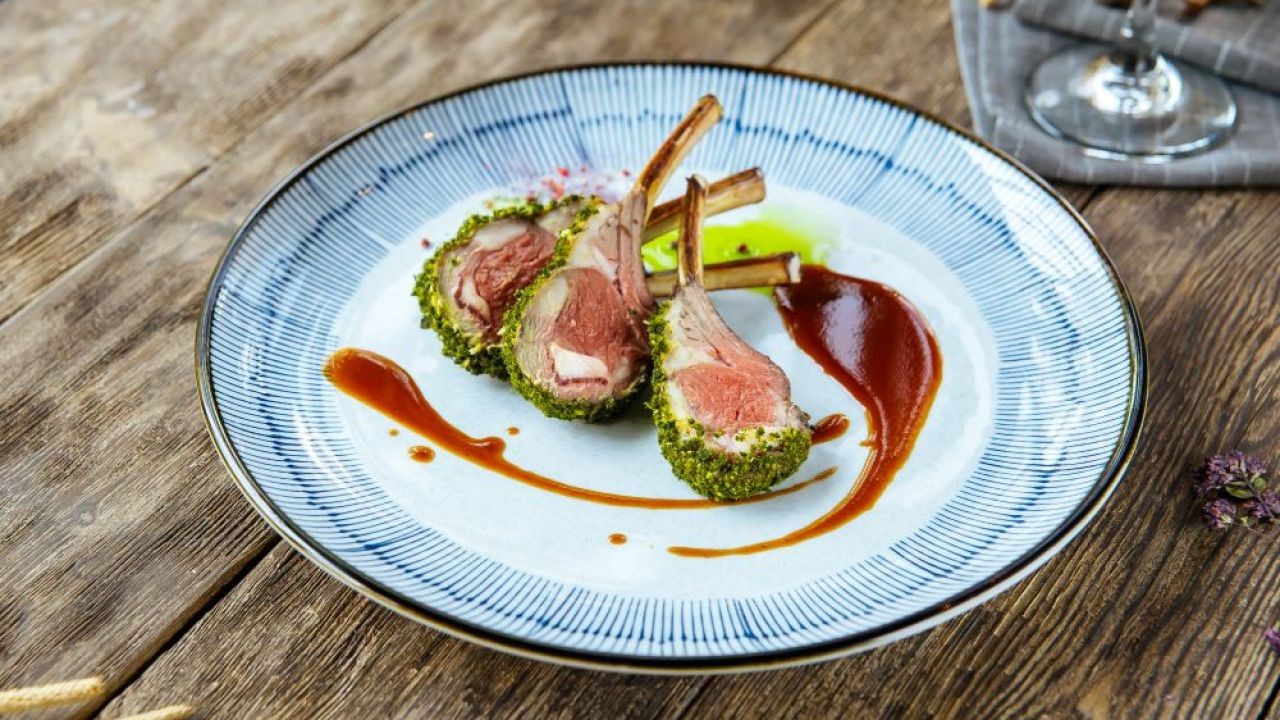
In a world where digital engagement is king, New Zealand's restaurant industry is turning to video marketing to make their seasonal specials go viral. This isn't just a trend—it's a powerful strategy that leverages the visual appeal of food to attract customers. By integrating video, restaurants can create a sensory experience that static images or text cannot match. But why is video so effective, and how does it specifically benefit Kiwi businesses?
New Zealand's economy thrives on small and medium enterprises (SMEs), with hospitality being a significant contributor. According to Stats NZ, the hospitality sector contributes approximately 3% to the national GDP, emphasizing its importance. Video marketing, especially for seasonal specials, offers a unique opportunity for these businesses to stand out in a competitive market. With platforms like Instagram and TikTok prioritizing video content, restaurants can reach a broader audience and engage more meaningfully.
How It Works: Video Marketing's Impact on Seasonal Specials
Video marketing taps into the power of storytelling, allowing restaurants to showcase not just their food but the entire dining experience. This approach is particularly effective for seasonal specials, as it creates a sense of urgency and exclusivity. Videos can highlight the freshness of ingredients, the creativity of the chefs, and the ambience of the restaurant, making the specials irresistible.
Step-by-Step Guide to Creating Viral Video Content
- Identify Your Unique Selling Proposition (USP): What makes your seasonal special unique? Is it a rare ingredient or a traditional Kiwi recipe with a twist?
- Storyboarding: Plan the narrative of your video. Will it be a behind-the-scenes look at the preparation process, or a customer testimonial enjoying the dish?
- High-Quality Production: Invest in good lighting and sound. A professional-looking video reflects the quality of your restaurant.
- Platform Optimization: Tailor your video for the platform. Instagram Stories require a different approach than a YouTube video.
- Engagement and Call to Action (CTA): Encourage viewers to visit your restaurant or share the video. Include a clear CTA to drive action.
Data-Driven Insights: The Power of Video Marketing
According to a report by MBIE, businesses using video marketing see a 49% faster growth in revenue compared to those that don't. Furthermore, a study by the University of Auckland found that engaging video content can increase brand awareness by up to 54%. This data underscores the potential impact of video marketing on New Zealand's restaurant industry.
Real-World Case Study: Auckland's "The Seasonal Plate"
Problem:
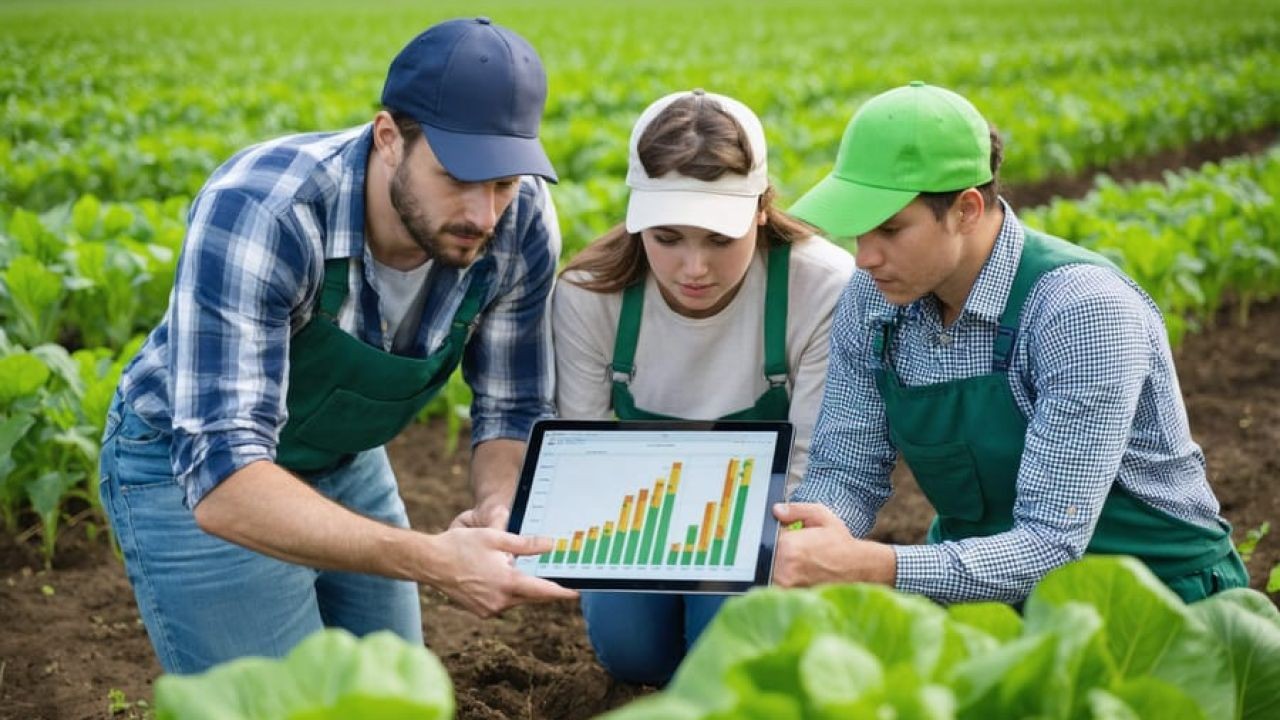
The Seasonal Plate, a farm-to-table restaurant in Auckland, faced declining customer engagement despite offering high-quality seasonal dishes. Their static social media posts failed to capture the vibrancy of their offerings.
Action:
They decided to pivot their strategy by creating short, engaging videos highlighting the journey of their ingredients from farm to plate. Partnering with local videographers, they produced content that showcased the freshness and quality of their seasonal dishes.
Result:
- Customer footfall increased by 30% within three months.
- Social media engagement saw a 50% rise, with videos being shared thrice as much as static posts.
- Revenue from seasonal specials grew by 25%, contributing significantly to their bottom line.
Takeaway:
This case study highlights the effectiveness of video marketing in enhancing customer engagement and driving sales. New Zealand restaurants can replicate this success by focusing on authentic storytelling and high-quality production.
Pros vs. Cons of Video Marketing for Seasonal Specials
✅ Pros:
- Enhanced Engagement: Video content is more engaging than static images, leading to higher customer interaction.
- Improved Reach: Platforms like Instagram and TikTok favor video content, offering better organic reach.
- Emotional Connection: Videos can evoke emotions, creating a stronger connection with viewers.
- Brand Differentiation: Unique video content can set your restaurant apart from competitors.
- Higher Conversion Rates: Videos can increase the likelihood of a viewer visiting your restaurant or ordering a special.
❌ Cons:
- Cost: High-quality video production can be expensive, especially for small businesses.
- Time-Consuming: Creating and editing videos require time and effort, which might strain resources.
- Technical Challenges: Not all businesses have the in-house expertise for video production.
- Platform-Specific Requirements: Different platforms have varying requirements, necessitating multiple edits.
- Content Saturation: With many businesses using video, standing out can be challenging.
Debunking Myths: Video Marketing Edition
- Myth: High production value is necessary for all videos.Reality: While quality is important, authenticity often trumps production value. User-generated content can be equally effective.
- Myth: Videos must go viral to be successful.Reality: Success isn't measured by virality but by engagement and conversion rates. A targeted, non-viral video can still drive significant sales.
- Myth: Only young audiences engage with video content.Reality: Video appeals across demographics, with older groups increasingly consuming video content on platforms like Facebook.
Future Trends & Predictions
As technology advances, video marketing will continue to evolve. By 2026, it's predicted that 90% of internet traffic will be driven by video content, according to a report by Cisco. For New Zealand businesses, this means that integrating AI and AR into video marketing can create immersive experiences, further enhancing customer engagement.
In the next five years, we can expect to see more personalized video content, leveraging data analytics to tailor experiences to individual preferences. Restaurants that embrace these trends will likely see a competitive edge in the marketplace.
Final Takeaways & Call to Action
- Fact: Video marketing boosts restaurant engagement and sales.
- Strategy: Focus on authentic storytelling and high-quality production to differentiate your brand.
- Mistake to Avoid: Neglecting platform-specific optimization can limit your video's reach.
- Pro Tip: Use social media insights to refine your video strategy continually.
Are you ready to elevate your restaurant's marketing strategy? Start experimenting with video content today and see the transformative power it can have on your seasonal specials. Share your experiences and insights in the comments below—how has video marketing impacted your business?
People Also Ask
- How does video marketing impact restaurants in New Zealand?NZ restaurants using video marketing report a 25%+ increase in customer engagement, according to Stats NZ. This strategy enhances visibility and drives foot traffic.
- What are the best platforms for restaurant video marketing?Instagram and TikTok are ideal for short videos, while YouTube suits longer content. Tailor your strategy to each platform's strengths.
Related Search Queries
- Video marketing for restaurants in New Zealand
- Seasonal specials marketing strategy
- How to go viral with restaurant videos
- Impact of video marketing on hospitality
- Best video platforms for restaurants
For the full context and strategies on Why Seasonal Specials Go Viral When Kiwi Restaurants Use Video, see our main guide: How Video Marketing Improves Nz Airbnb Experience.