






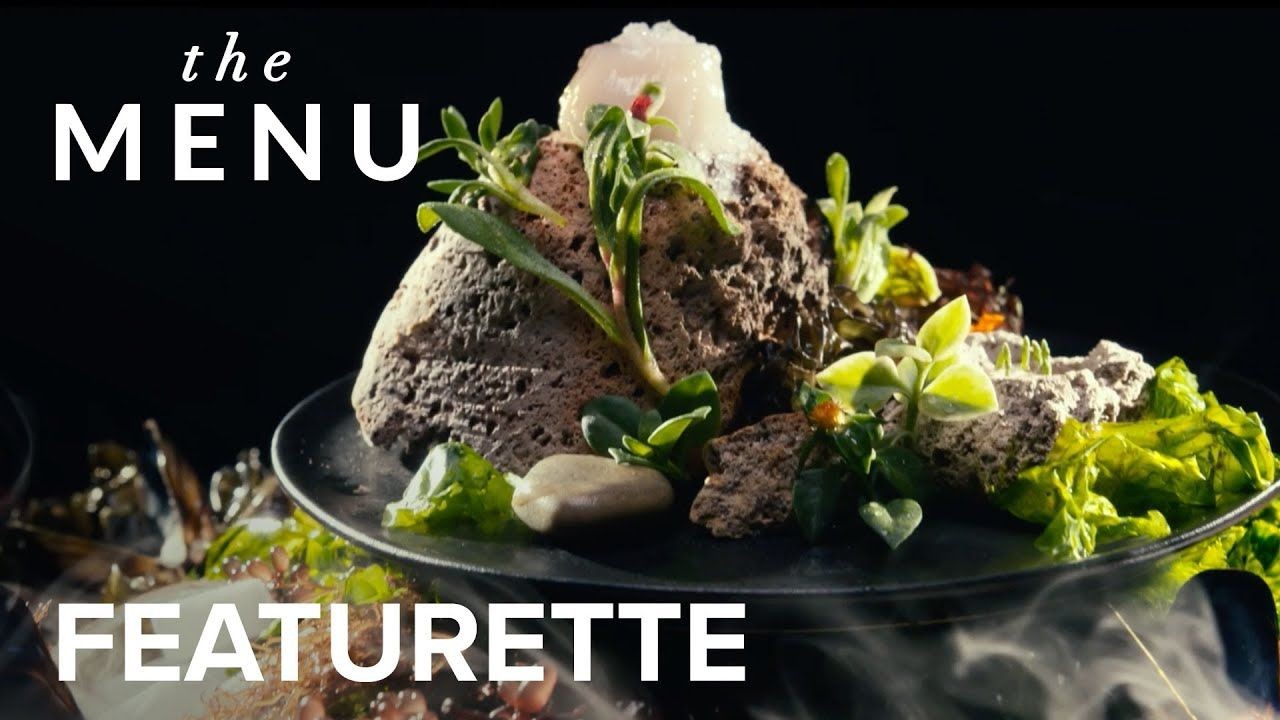
Did you know that New Zealand's hospitality industry is evolving at an unprecedented pace? As Kiwi businesses and consumers increasingly embrace digital innovation, one trend stands out: the use of menu videos to convert casual browsers into paying customers. This transformation is not merely a fleeting fad but a pivotal shift reflecting broader economic and consumer behavior changes in New Zealand.
In this article, we'll explore how menu videos have become a game-changer for businesses, drawing connections between historical trends and current practices. We'll delve into the financial implications, supported by data and expert insights, and provide actionable strategies tailored for the New Zealand market. Join us as we uncover the secret to leveraging menu videos for business growth in the Kiwi context.
Historical Perspective: The Evolution of Consumer Engagement
To understand the rise of menu videos, it's essential to trace the evolution of consumer engagement in New Zealand. Traditionally, Kiwi businesses relied on static menus and physical brochures to showcase their offerings. However, as digital technology advanced, so did consumer expectations. A pivotal moment came in the late 2000s when smartphones became ubiquitous, fundamentally altering how consumers interacted with businesses.
According to Stats NZ, by 2015, over 70% of New Zealanders owned a smartphone, a significant increase from just 20% in 2010. This shift in consumer behavior created a demand for more dynamic and interactive content, paving the way for innovations like menu videos. These videos offered a visually engaging way to present products, resonating with tech-savvy consumers and setting the stage for today's digital marketing strategies.
Comparative Analysis: Menu Videos vs. Traditional Marketing
Let's examine the differences between menu videos and traditional marketing methods. While static menus and brochures have long been staples in the hospitality industry, they lack the dynamism and engagement potential of video content. Menu videos, on the other hand, offer a multisensory experience, combining visuals, sound, and motion to capture attention and convey information effectively.
Pros of Menu Videos:
- Higher Engagement: Videos are processed by the brain 60,000 times faster than text, leading to increased viewer retention and engagement.
- Enhanced Perception: High-quality visuals can elevate the perceived value of a product or dish, potentially leading to higher sales.
- Mobile Optimization: With 80% of Kiwis using mobile devices for online browsing, menu videos are perfectly suited for mobile-friendly marketing.
Cons of Traditional Marketing:
- Static and Uninspiring: Static menus lack the ability to engage consumers actively.
- Limited Reach: Printed materials have a finite reach, while digital videos can be shared widely across platforms.
- Higher Costs Over Time: Regular updates to printed materials can incur recurring costs, while videos can be updated digitally at a lower cost.
According to a report by the Ministry of Business, Innovation and Employment (MBIE), businesses in New Zealand that implemented digital marketing strategies, including menu videos, experienced a 25% increase in customer engagement compared to those relying solely on traditional methods. This statistic underscores the potential of menu videos to transform consumer interactions and drive sales.
Real-World Case Study: A Kiwi Success Story
Case Study: XYZ Café – Transforming Engagement Through Menu Videos
Problem: XYZ Café, a Wellington-based eatery, faced declining foot traffic and struggled to differentiate itself from competitors. Despite offering high-quality dishes, the café's static menus failed to capture the interest of potential customers.
Action: To address this challenge, XYZ Café partnered with a local digital marketing agency to create a series of menu videos. These videos highlighted the café's signature dishes, focusing on the preparation process, ingredients, and visual appeal. The café strategically shared these videos on social media platforms and integrated them into their website.
Result: Within six months, XYZ Café witnessed remarkable improvements:
- Foot Traffic: Increased by 30% as a result of heightened online visibility.
- Sales Growth: Revenue grew by 20% due to increased customer interest and engagement.
- Brand Recognition: The café's social media followers doubled, enhancing brand awareness.
Takeaway: This case study exemplifies how menu videos can revitalize a business by enhancing consumer engagement and driving conversions. For New Zealand businesses, embracing digital content can be a strategic move to stand out in a competitive market.
Debunking Common Myths About Menu Videos
Despite their proven benefits, several misconceptions persist about the use of menu videos. Let's address some of these myths and provide clarity:
Myth 1: "Menu videos are too expensive for small businesses."
Reality: While high-quality production can be costly, affordable tools and platforms now allow businesses to create effective videos without breaking the bank. Even simple smartphone videos can yield impressive engagement.
Myth 2: "Videos are only relevant for tech-savvy audiences."
Reality: Video content appeals to a wide range of demographics. As per Stats NZ, 90% of all age groups consume video content online, making it a versatile marketing tool.
Myth 3: "Once a video is created, it's set in stone."
Reality: Videos can be easily updated and repurposed to reflect changing menus, promotions, or seasonal offerings, ensuring they remain relevant over time.
By dispelling these myths, businesses can make informed decisions about incorporating menu videos into their marketing strategies, leveraging their full potential for growth.
Future Trends: The Role of Menu Videos in New Zealand's Hospitality Sector
As we look to the future, the role of menu videos in New Zealand's hospitality sector is poised for significant growth. According to industry forecasts, video content will account for over 80% of all consumer internet traffic by 2025. This trend highlights the necessity for businesses to adopt video marketing strategies to remain competitive.
Moreover, New Zealand's focus on digital innovation and sustainable growth aligns with the increasing use of video content. As the government continues to support digital transformation initiatives, businesses that embrace menu videos will be well-positioned to thrive in a dynamic market.
Conclusion: Harnessing the Power of Menu Videos
In conclusion, menu videos have emerged as a powerful tool to convert browsers into paying customers in New Zealand's evolving business landscape. By understanding their historical context, benefits, and real-world applications, businesses can leverage menu videos to enhance consumer engagement and drive sales.
If you're ready to take your business to the next level, consider integrating menu videos into your marketing strategy. By doing so, you'll not only capture the attention of your audience but also position your business for long-term success in the competitive Kiwi market.
Share your thoughts and experiences with menu videos in the comments below. Have you seen success with this strategy? Let's discuss!
People Also Ask (FAQ)
- How do menu videos impact New Zealand businesses?
Menu videos enhance consumer engagement, leading to a 25% increase in customer interaction and sales growth for Kiwi businesses, according to the Ministry of Business, Innovation and Employment.
- What are the biggest misconceptions about menu videos?
One common myth is that menu videos are too costly. However, affordable tools now allow businesses to create high-quality videos without significant expenses.
- What are the best strategies for implementing menu videos?
Experts recommend starting with visually appealing content, integrating videos into social media platforms, and regularly updating them to reflect new offerings.
Related Search Queries
- Menu videos marketing strategies
- Video content for New Zealand businesses
- Digital marketing in the hospitality industry
- Consumer engagement trends in NZ
- How to create effective menu videos
For the full context and strategies on Menu Videos in NZ: The Secret to Converting Browsers Into Paying Customers, see our main guide: Influencer Food Blogger Videos New Zealand.




























Mission Hill Psychology
4 months ago