



Introduction
In the bustling world of New Zealand's restaurant industry, where competition is as fierce as the flavors are diverse, a new trend is reshaping how eateries engage with their clientele. Short video campaigns have emerged as a transformative marketing tool, captivating audiences and driving foot traffic like never before. This isn't just a passing fad; it's a seismic shift in how restaurants connect with their patrons in the digital age.
According to a recent report by the Ministry of Business, Innovation and Employment (MBIE), the hospitality sector is expected to grow by 5% annually, driven in part by innovative marketing strategies, including video content. With over 70% of New Zealanders engaging with social media regularly, short videos offer a direct line to potential customers. But why are these bite-sized visuals making such an impact, and how can restaurant owners leverage them to their advantage?
Let's delve into the nuances of this trend, its implications for New Zealand's economy, and how restaurant owners can harness its power to boost their business.
The Power of Short Video Campaigns: Why Now?
Short video content, typically ranging from 15 to 60 seconds, has gained popularity due to its ability to quickly capture attention in a world where consumers are bombarded with information. But what makes it particularly effective for New Zealand's restaurant industry?
1. Immediate Engagement
With platforms like Instagram Reels and TikTok, videos can reach thousands of viewers in a matter of hours. This immediacy is crucial for restaurants looking to announce new menu items, special events, or promotions.
2. Cost-Effectiveness
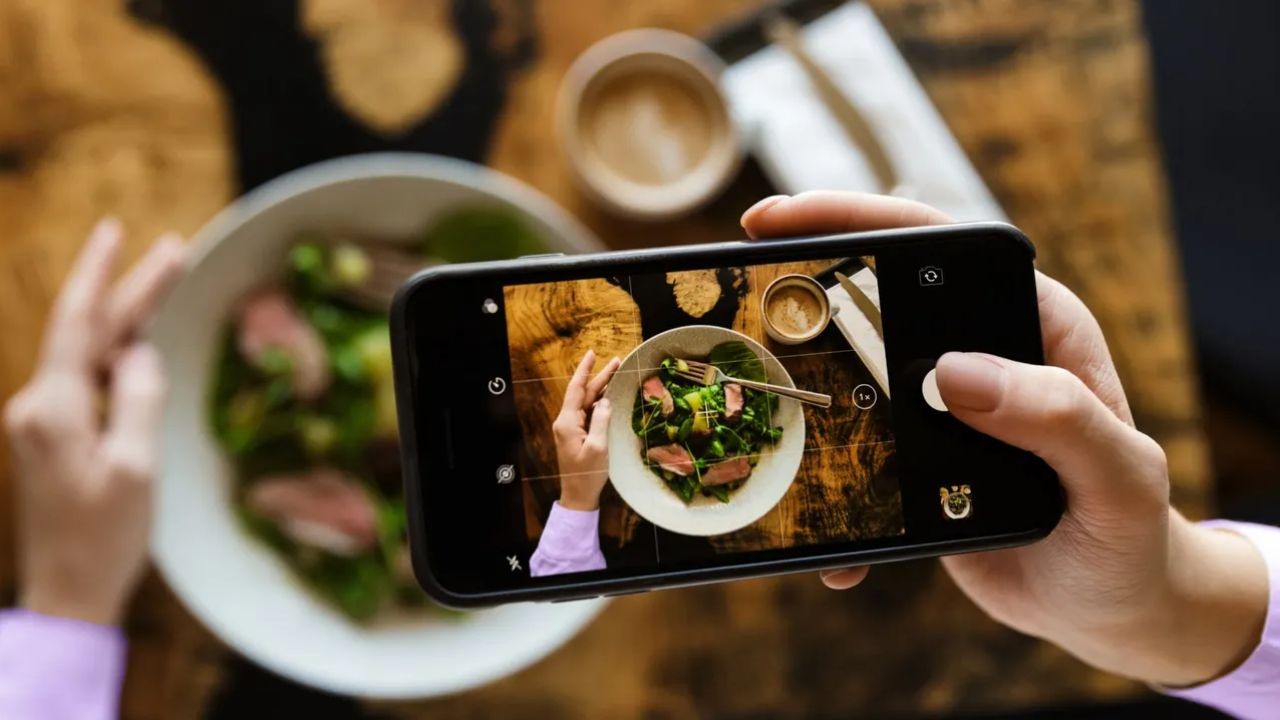
Compared to traditional advertising channels, creating short videos is relatively inexpensive. Restaurants can produce high-quality content using just a smartphone, making it accessible even for smaller establishments.
3. Authentic Storytelling
Short videos allow restaurants to showcase their personality and brand story authentically. Whether it's a behind-the-scenes look at the kitchen or a chef's personal story, these narratives resonate with viewers, building a loyal customer base.
Case Study: How a Wellington Café Boosted Its Reach
Case Study: Wellington Café – Revitalizing Customer Engagement with Video
Problem: A popular Wellington café, known for its artisanal coffee and cozy ambiance, was struggling to maintain its customer base amidst growing competition and a saturated market.
- The café experienced a 15% drop in foot traffic over six months.
- Traditional marketing efforts such as flyers and newspaper ads were no longer yielding desired results.
Action: The café decided to pivot its marketing strategy by creating short, engaging videos for social media.
- Highlighting daily specials, customer testimonials, and the café's unique interior, the videos were designed to connect emotionally with viewers.
- They collaborated with local influencers to amplify their reach.
Result: After implementing the video strategy, the café saw remarkable improvements:
- Foot traffic increased by 30% within three months.
- Social media engagement jumped by 50%.
- Revenue grew by 20% compared to the previous quarter.
Takeaway: The case study illustrates the potential of short video content to revitalize customer engagement and drive business growth in New Zealand's competitive hospitality landscape.
Pros and Cons of Short Video Campaigns for Restaurants
While short video campaigns offer numerous advantages, they are not without challenges. Let's explore the pros and cons:
✅ Pros:
- Heightened Engagement: Videos are inherently more engaging than static images or text, which can lead to higher interaction rates.
- Increased Reach: Social media algorithms often favor video content, resulting in better visibility.
- Personal Connection: Videos allow restaurants to showcase their human side, fostering a deeper connection with their audience.
- Shareability: Compelling videos are more likely to be shared, extending their reach organically.
❌ Cons:
- Time-Consuming: Creating quality video content requires time and effort, which can be a constraint for busy restaurant owners.
- Consistency Required: To maintain audience interest, restaurants need to consistently produce fresh content.
- Potential for Over-Saturation: As more businesses adopt video marketing, standing out becomes increasingly challenging.
- Technical Challenges: Not all restaurant owners are tech-savvy, which might necessitate additional training or hiring.
Myths and Misconceptions About Video Marketing
Despite its growing popularity, several myths surround video marketing in the restaurant industry. Let's debunk some of the most common ones:
Myth 1: Video marketing is too expensive for small businesses.
Reality: With the proliferation of smartphones and affordable editing software, creating high-quality videos is well within reach for even the smallest restaurants.
Myth 2: Only young audiences engage with video content.
Reality: While younger demographics are avid video consumers, platforms like Facebook have a diverse user base, including older audiences who actively engage with video content.
Myth 3: Every video needs to go viral to be successful.
Reality: Success is not solely measured by virality. Even videos with a modest reach can drive meaningful engagement and conversions.
Future Trends and Predictions
As New Zealand's restaurant industry continues to evolve, short video marketing will remain a pivotal tool. Here are some trends and predictions:
- Integration with Augmented Reality (AR): Restaurants may start incorporating AR elements into their videos, allowing customers to visualize dishes or restaurant spaces virtually.
- Increased Focus on Sustainability: Video content highlighting sustainable practices and farm-to-table initiatives will resonate with environmentally conscious consumers.
- Personalization: With advancements in AI, personalized video content tailored to individual preferences will become more prevalent, enhancing customer experience and boosting loyalty.
Conclusion
In conclusion, short video campaigns are revolutionizing marketing strategies for New Zealand's restaurant industry. They offer a cost-effective, engaging, and authentic way to connect with customers, driving both foot traffic and revenue. As trends continue to evolve, restaurants that embrace this dynamic medium will be well-positioned to thrive in an increasingly competitive market. Are you ready to leverage the power of video marketing for your restaurant?
People Also Ask (FAQ)
- How does short video marketing impact New Zealand restaurants? Short video marketing enhances engagement and drives foot traffic, with some businesses reporting up to a 30% increase in revenue, according to industry studies.
- What are the biggest misconceptions about video marketing? One common myth is that video marketing is too expensive. However, affordable tools make it accessible for small businesses, as confirmed by recent market analyses.
- What are the best strategies for implementing video marketing? Experts recommend starting with authentic storytelling, collaborating with influencers, and maintaining consistency for long-term success.
Related Search Queries
- Video marketing strategies for restaurants
- Best social media platforms for restaurant promotion
- Impact of video marketing on sales
- How to create engaging restaurant videos
- Future of digital marketing in New Zealand
For the full context and strategies on Why Short Video Campaigns Are Transforming New Zealand Restaurant Marketing, see our main guide: Hotel Video Strategies Kiwi Audiences.