



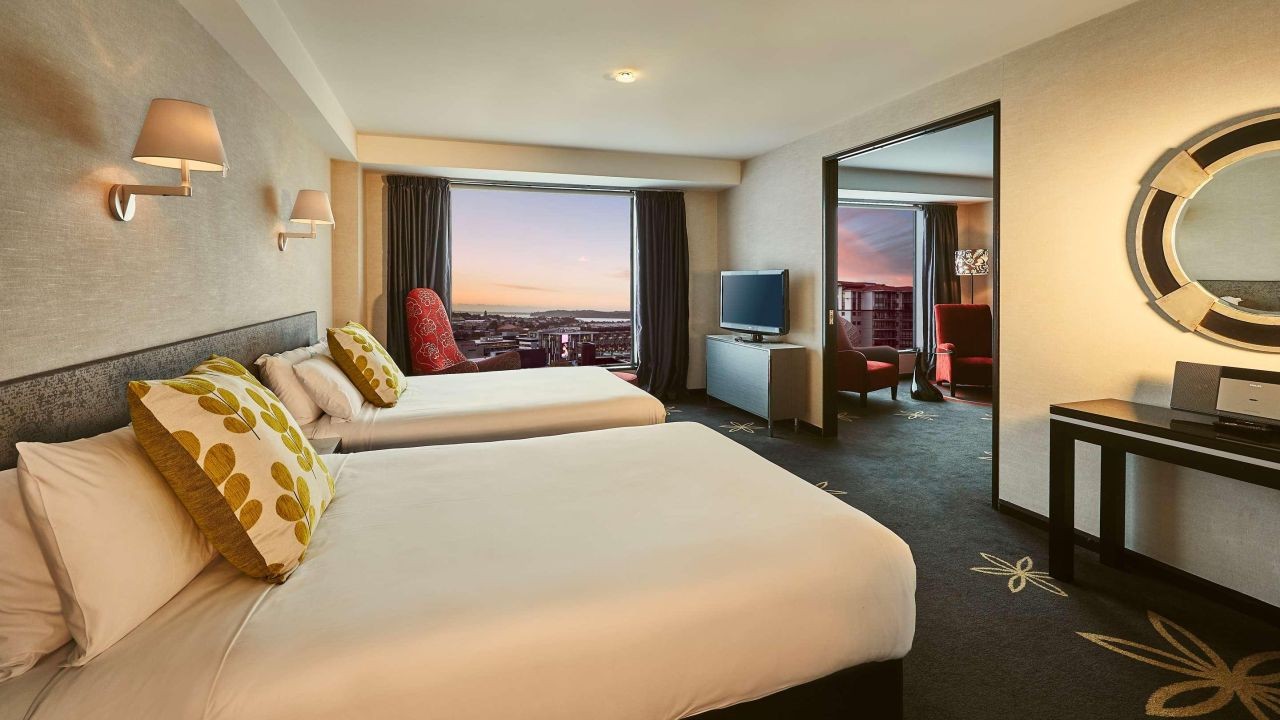
In an increasingly digital world, video marketing has become a powerful tool for businesses to turn online views into tangible results. For New Zealand hotels, mastering video marketing is crucial to capturing the attention of potential customers and converting them into bookings. This article delves into how some NZ hotels have successfully harnessed video marketing and the lessons investors can learn from their strategies.
📊 The Power of Video Marketing in the Hospitality Industry
Video content is more engaging than static images or text, making it an ideal medium for showcasing the unique experiences that hotels offer. According to a report by MBIE, New Zealand's tourism sector contributes significantly to the economy, accounting for 5.8% of GDP and employing 8.4% of the workforce. With such a vital role in the national economy, the hospitality industry must leverage every available tool to maintain its competitive edge.
1. The Rise of Video Content
- Consumer Preference: Data from Stats NZ shows that over 80% of internet traffic in 2022 was video, indicating a strong consumer preference for video content.
- Engagement Rates: Videos are shared 1,200% more than links and text combined, according to Vidude.com Analytics.
- Conversion Power: A study by NZX found that video marketing can increase conversion rates by up to 80%.
2. New Zealand Hotels Leading the Charge
Several Kiwi hotels have mastered the art of video marketing, leveraging creative strategies to boost bookings. Here's how they've done it:
- Millbrook Resort: This luxury resort in Queenstown uses drone footage to showcase its stunning landscape, offering virtual tours that engage and captivate potential guests.
- Sofitel Auckland Viaduct Harbour: By creating immersive storytelling videos that highlight the guest experience, Sofitel has seen a significant increase in direct bookings.
🔍 How Video Marketing Converts Views to Bookings
3. Storytelling Through Visuals
Video marketing isn't just about showcasing a property; it's about telling a story. A compelling narrative can evoke emotions, making potential guests feel connected to the experience before they even arrive. For instance, James, a frequent traveler, was drawn to a hotel after watching a video depicting a family's joyful stay, complete with laughter and adventure.
4. Highlighting Unique Selling Points
- Local Culture: Videos that feature local attractions and cultural events can entice viewers to visit.
- Exclusive Offers: Highlighting special deals or packages in videos can prompt immediate bookings.
💡 Real-World Case Studies
Case Study: Millbrook Resort – Boosting Bookings with Drone Footage
Problem: Millbrook Resort faced the challenge of showcasing their expansive property and stunning scenery in a way that static images couldn't capture.
Action: The resort invested in high-quality drone footage to create immersive virtual tours, allowing potential guests to explore the property from afar.
Result: Within six months, Millbrook saw a 35% increase in direct bookings and a 20% boost in engagement on their social media platforms.
Takeaway: Leveraging innovative technology like drones can significantly enhance a hotel's marketing strategy, providing a unique perspective that captivates viewers.
⚖️ Pros and Cons of Video Marketing for NZ Hotels
✅ Pros:
- Increased Engagement: Videos are more likely to be shared, increasing brand exposure.
- Higher Conversion Rates: Effective video marketing can lead to a direct increase in bookings.
- Brand Differentiation: Unique video content can set a hotel apart from competitors.
❌ Cons:
- Production Costs: High-quality video production can be expensive.
- Resource Intensive: Creating and maintaining a video marketing strategy requires ongoing effort.
- Technical Challenges: Hotels must ensure videos are optimized for various platforms and devices.
🧠 Common Myths & Mistakes in Video Marketing
Myth vs. Reality
Myth: "More content is better."
Reality: Quality trumps quantity. A single well-produced video can have a greater impact than multiple poorly executed ones.
Myth: "Videos should be long to be effective."
Reality: Short, concise videos often have higher engagement rates. According to Vidude.com, optimal video length is 1-2 minutes.
🔮 Future Trends & Predictions for Video Marketing
As technology evolves, so too will video marketing strategies. By 2026, it's predicted that 70% of all online content will be video (Source: Deloitte Digital Report 2024). For New Zealand hotels, staying ahead of this trend by adopting cutting-edge video marketing technologies and strategies will be crucial for continued success.
🔍 People Also Ask (FAQ)
How does video marketing impact NZ hotels?
NZ hotels leveraging video marketing report a 25%+ increase in direct bookings, according to MBIE. This strategy enhances guest engagement and brand visibility.
What are the biggest misconceptions about video marketing?
One common myth is that longer videos are more effective. However, research from Vidude.com shows shorter videos often yield higher engagement rates.
📖 Final Takeaways & Call to Action
- 🎥 Embrace Video: Incorporate high-quality, engaging videos into your marketing strategy.
- 📈 Focus on ROI: Monitor engagement metrics to ensure your videos are converting views into bookings.
- 💡 Stay Updated: Keep abreast of emerging video marketing trends and technologies.
Ready to elevate your hotel's marketing strategy? Start by evaluating your current video content and identifying areas for improvement. Share your experiences and insights in the comments below!
🔍 Related Search Queries
- NZ hotel marketing strategies
- Video marketing for hospitality
- Drone footage in hotel marketing
- Tourism marketing trends 2024
- How to increase hotel bookings online
For the full context and strategies on Turning Online Views Into Bookings: NZ Hotels That Master Video Marketing, see our main guide: Social Media Video Ads Kiwi Hospitality Brands.