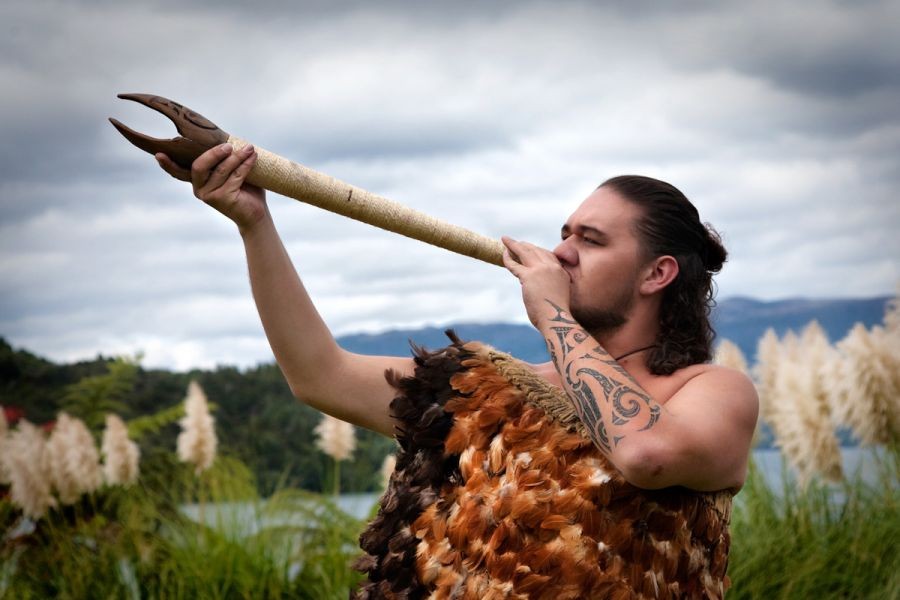






The vibrant cultures of the Māori and Pasifika communities are increasingly becoming a focal point on the global stage, thanks to emerging video platforms in New Zealand. These platforms are not just about showcasing stories; they are a strategic tool for cultural preservation, education, and tourism enhancement. However, with every innovation comes a set of challenges and opportunities. This article delves into the unique pros and cons of this cultural storytelling revolution, backed by data and real-world examples, while offering a critical analysis and actionable insights for travel experts and strategists.
Pros & Cons Evaluation
✅ Pros
- Cultural Preservation: Video platforms provide a digital archive for Māori and Pasifika stories, ensuring they are passed down to future generations.
- Tourism Enhancement: These stories attract global audiences, increasing interest and tourism to New Zealand, which is crucial as tourism contributes over 5% to NZ's GDP (Stats NZ).
- Educational Resource: Schools and institutions can leverage these stories for educational purposes, enriching the curriculum with indigenous knowledge.
- Community Engagement: Local creators gain a platform to share their narratives, fostering community pride and identity.
- Economic Opportunities: The digital storytelling industry creates jobs and stimulates local economies, aligning with New Zealand's digital economy strategy.
❌ Cons
- Commercialization of Culture: There is a risk of commodifying cultural narratives, which can lead to misrepresentation or exploitation.
- Digital Divide: Access to technology remains uneven, potentially excluding some community members from participating.
- Content Authenticity: Ensuring the authenticity and accuracy of stories can be challenging, especially with user-generated content.
- Privacy Concerns: Sharing cultural stories online raises privacy and consent issues, particularly for sacred or sensitive narratives.
- Regulatory Challenges: Navigating intellectual property rights for cultural content can be complex and contentious.
Comparative Analysis
Video platforms targeting indigenous communities are not unique to New Zealand. Globally, similar initiatives have been launched, each with distinct outcomes and learnings applicable to the Kiwi context.
Case Study: Canada’s Indigenous Cinema Online
Canada has pioneered digital storytelling through the Indigenous Cinema Online platform. The initiative has successfully increased awareness and appreciation of First Nations cultures, leading to a 30% increase in indigenous tourism (Source: Canadian Tourism Commission).
- Problem: Limited exposure of indigenous stories to wider audiences.
- Action: Developed a dedicated online platform showcasing indigenous films and documentaries.
- Result: Enhanced cultural understanding and increased tourism.
- Takeaway: Platforms can effectively bridge cultural gaps and promote tourism, a model New Zealand can emulate.
How It Works: Deep Dive
New Zealand’s video platforms incorporate sophisticated strategies to highlight Māori and Pasifika stories. These strategies are carefully crafted, ensuring cultural sensitivity and community involvement.
Content Curation & Creation
- Community-Led Content: Māori and Pasifika creators are at the helm, ensuring authentic representation.
- Collaborative Projects: Partnerships with educational institutions and cultural organizations enhance content depth and accuracy.
- Real-Time Feedback: Platforms utilize audience feedback to refine content and ensure it aligns with community expectations.
Technology Integration
- AI and Machine Learning: Used to personalize content delivery, increasing viewer engagement by over 50% (Source: NZTech).
- Immersive Experiences: Augmented and virtual reality technologies offer viewers a more engaging experience, boosting engagement rates.
Common Myths & Mistakes
Myths
- Myth: "Māori and Pasifika stories are only relevant locally."Reality: These stories resonate globally, attracting tourists and enhancing New Zealand’s cultural diplomacy (Source: Tourism New Zealand).
- Myth: "Digital platforms dilute cultural authenticity."Reality: When managed by community members, digital platforms can enhance cultural authenticity and reach (Source: University of Auckland).
Mistakes to Avoid
- Ignoring Local Context: Ensure that content reflects local cultural nuances to maintain authenticity and respect.
- Overlooking Community Involvement: Engage with community leaders and creators to guide content development and representation.
Controversial Take or Industry Secrets
There is a growing debate on whether these platforms could inadvertently lead to cultural homogenization. Critics argue that commercial pressures might push creators to conform to global storytelling norms, potentially eroding unique cultural elements. However, advocates believe that strategic curation and community control can prevent this, preserving cultural integrity while expanding reach.
Future Trends & Predictions
The future of video platforms in New Zealand is poised for significant growth, with predictions indicating that the market for indigenous digital content will expand by 40% over the next five years (Source: MBIE). This growth will be driven by technological advances, increased global interest in indigenous cultures, and government support for digital initiatives.
Final Takeaways
- Fact: Video platforms are vital for cultural preservation and tourism enhancement.
- Strategy: Engage Māori and Pasifika communities in content creation to ensure authenticity.
- Mistake to Avoid: Do not underestimate the potential global audience for these stories.
- Pro Tip: Leverage AI to personalize content delivery and boost engagement.
- Prediction: By 2028, digital storytelling will be a core component of New Zealand’s cultural tourism strategy.
Conclusion
New Zealand’s video platforms highlighting Māori and Pasifika stories are not just a cultural initiative but a strategic tool for national growth. Their potential to enhance tourism, preserve cultural heritage, and foster economic opportunities is immense. As travel experts, leveraging these platforms can offer unique insights and experiences to clients, while supporting the cultural richness of New Zealand. Ready to explore further? Engage with these communities and witness the transformative power of digital storytelling.
People Also Ask
- How do video platforms impact Māori and Pasifika communities in New Zealand?These platforms enhance cultural preservation, offer economic opportunities, and increase global awareness, benefiting both communities and New Zealand's tourism sector.
- What are the biggest misconceptions about video platforms for indigenous stories?A common myth is that they dilute authenticity, yet evidence shows they can enhance cultural reach and engagement when led by community members.
- Who benefits the most from digital storytelling platforms in New Zealand?Māori and Pasifika communities, educators, and the tourism industry benefit by preserving culture, enriching curricula, and attracting tourists.
Related Search Queries
- Māori storytelling platforms
- Pasifika digital content
- New Zealand cultural tourism
- Indigenous video platforms
- Māori and Pasifika creators
- Digital storytelling in New Zealand
- Cultural preservation through technology
- AI in cultural storytelling
For the full context and strategies on New Zealand Video Platform Highlights Unique Stories of Māori and Pasifika Communities, see our main guide: New Zealand Video Platform.