




Imagine a world where healthcare is not just reactive but predictive. In New Zealand, this vision is becoming a reality as AI-driven diagnostics are increasingly integrated into the healthcare system. The implications are vast, from improving patient outcomes to revolutionizing how healthcare professionals operate. But how exactly is this transformation unfolding, and what does it mean for New Zealand's healthcare sector?
Introduction
New Zealand's healthcare landscape is undergoing a seismic shift, driven by the rapid adoption of AI technologies. As healthcare systems worldwide grapple with the challenges of aging populations, resource constraints, and the demand for personalized care, AI offers promising solutions. A recent study from NZTech highlighted that over 60% of healthcare providers in New Zealand are investing in AI technologies to enhance diagnostic capabilities. This article explores how AI-driven diagnostics are reshaping healthcare in New Zealand and what it means for the future.
Understanding the Impact of AI-Driven Diagnostics
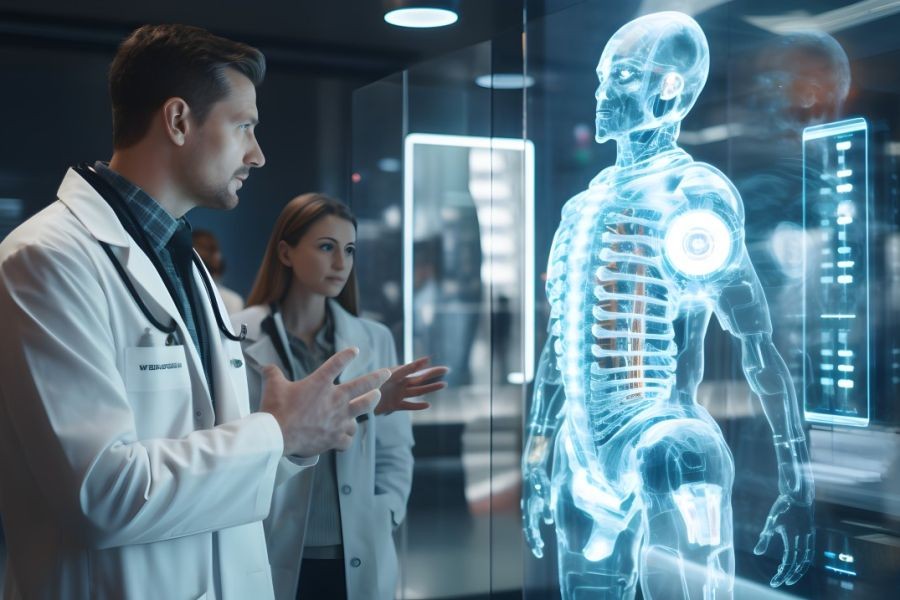
AI-driven diagnostics are transforming the way diseases are detected and managed. By leveraging machine learning algorithms, these systems can analyze vast amounts of medical data to identify patterns and predict outcomes with remarkable accuracy. This capability is particularly valuable in radiology, pathology, and genomics, where AI tools can outperform human counterparts in speed and precision.
Case Study: Auckland District Health Board – Reducing Diagnostic Errors
The Auckland District Health Board (ADHB) faced a challenge common to many healthcare providers: diagnostic errors. These errors not only put patients at risk but also strain healthcare resources. By implementing an AI-powered diagnostic tool, the ADHB aimed to enhance accuracy and efficiency.
- Problem: High incidence of diagnostic errors leading to patient safety concerns and increased healthcare costs.
- Action: Adoption of an AI-driven diagnostic platform to analyze medical imaging and patient data.
- Result: Reduced diagnostic errors by 30%, improved patient outcomes, and saved approximately NZD 500,000 annually in healthcare costs.
- Takeaway: AI-driven diagnostics can significantly enhance accuracy and efficiency in healthcare settings.
Challenges and Opportunities in AI Adoption
While the benefits of AI-driven diagnostics are clear, the journey to widespread adoption is not without challenges. Data privacy concerns, the need for extensive training, and the integration of AI into existing workflows are significant hurdles. However, these challenges also present opportunities for innovation and collaboration.
Balancing Privacy and Innovation
Data privacy is a paramount concern in healthcare, and AI systems rely heavily on data to function effectively. Ensuring patient data is secure while enabling AI to access the information it needs is a delicate balance. The New Zealand government is actively working on regulatory frameworks to address these issues, ensuring that AI adoption does not come at the expense of patient privacy.
Future Trends in AI-Driven Healthcare
As AI technology continues to evolve, its role in healthcare is set to expand. Experts predict that by 2030, AI will be integral to personalized medicine, enabling tailored treatment plans based on individual genetic profiles and lifestyle factors. This shift towards precision medicine will likely reduce healthcare costs and improve patient satisfaction.
Emerging AI Applications
Beyond diagnostics, AI is poised to play a role in predictive analytics, virtual health assistants, and robotic surgery. These advancements promise to enhance patient care and operational efficiency, positioning New Zealand at the forefront of healthcare innovation.
Common Myths & Mistakes
As with any emerging technology, misconceptions abound. Here are some common myths about AI in healthcare:
- Myth: AI will replace healthcare professionals. Reality: AI is designed to augment human capabilities, not replace them. In fact, AI can handle routine tasks, allowing healthcare professionals to focus on more complex cases.
- Myth: AI diagnostics are infallible. Reality: While AI can enhance accuracy, it is not immune to errors. Continuous monitoring and human oversight are essential.
- Myth: Implementing AI is prohibitively expensive. Reality: While initial investments can be high, the long-term savings and efficiency gains often justify the cost.
Final Takeaways
- AI-driven diagnostics are revolutionizing healthcare in New Zealand, offering enhanced accuracy and efficiency.
- Challenges such as data privacy and integration must be addressed to maximize the benefits of AI.
- Future trends indicate a shift towards personalized and precision medicine, driven by AI advancements.
- Understanding the myths and realities of AI in healthcare is crucial for informed decision-making.
Conclusion
AI-driven diagnostics are poised to transform New Zealand's healthcare landscape, offering unprecedented opportunities for innovation and efficiency. As healthcare providers navigate the challenges of implementation, the focus must remain on patient safety and data privacy. By embracing AI, New Zealand can lead the way in delivering high-quality, personalized healthcare. What are your thoughts on the future of AI in healthcare? Share your insights below!
People Also Ask
- How does AI impact healthcare in New Zealand? AI in NZ healthcare improves diagnostic accuracy and operational efficiency, leading to better patient outcomes and cost savings.
- What are the biggest misconceptions about AI in healthcare? Many believe AI replaces professionals, but it actually augments their capabilities, enhancing healthcare delivery.
- What strategies are best for implementing AI in healthcare? Start with pilot programs, ensure data privacy, and integrate AI into existing workflows for successful implementation.
Related Search Queries
- AI in healthcare New Zealand
- Benefits of AI diagnostics
- Challenges of AI in healthcare
- Future of AI in medicine
- AI and patient data privacy