






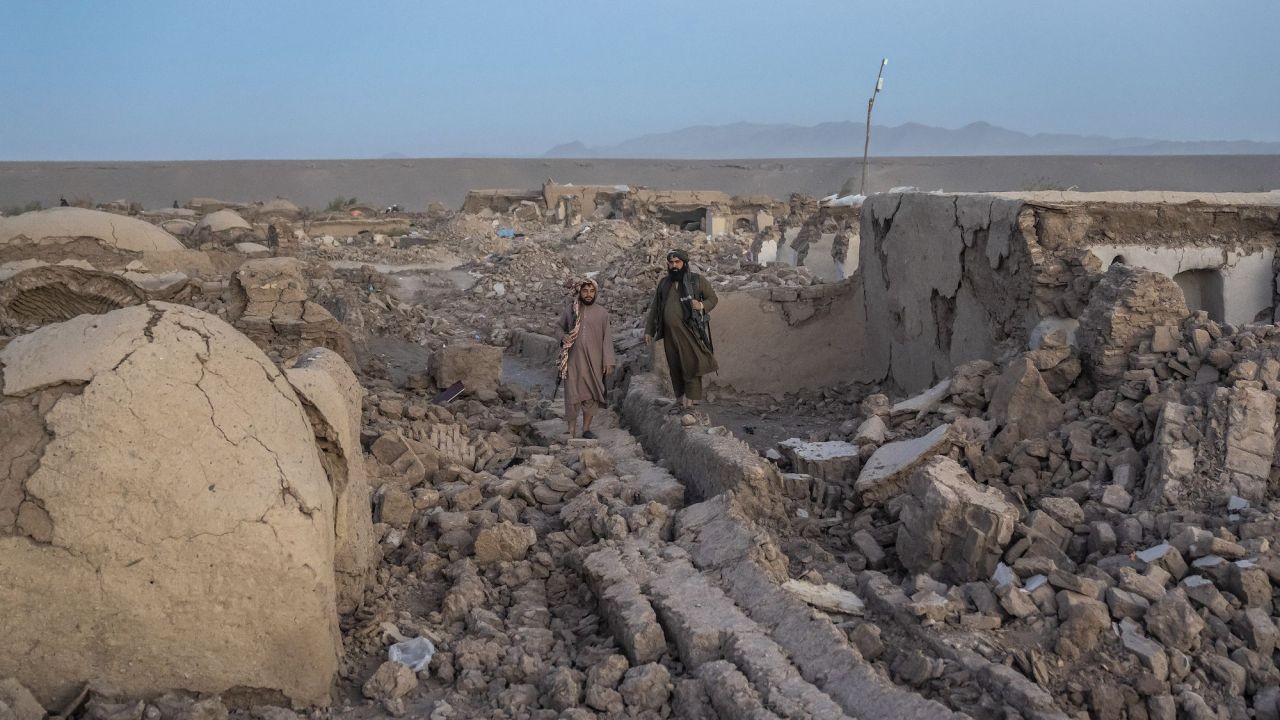
In the realm of construction economics and urban development, the recent magnitude-6.0 earthquake in Afghanistan serves as a stark reminder of the vulnerabilities faced by communities worldwide. With over 800 fatalities and approximately 2,500 individuals injured, the earthquake not only highlights the immediate human impact but also raises critical questions about infrastructure resilience, emergency preparedness, and economic recovery. This article delves into the historical context of earthquake management, current trends in construction economics, and the implications for Australia, drawing on authoritative data and insights.
Historical Context: Learning from Past Earthquakes
Historically, earthquakes have had profound impacts on economies and societies. The 2015 Nepal earthquake, which resulted in nearly 9,000 deaths, underscored the need for robust building codes and disaster preparedness. The economic losses were estimated at approximately $7 billion, a significant portion of the country's GDP. Such events have driven global advancements in construction standards and policies aimed at mitigating the risks associated with seismic activities.
Australia, while not as seismically active as some regions, has had its share of earthquakes, such as the 1989 Newcastle earthquake. Despite its moderate magnitude of 5.6, it caused significant damage due to inadequate construction standards at the time, prompting reforms in building codes and emergency management strategies.
Current Trends in Construction Economics
The construction industry today faces a dual challenge: ensuring structural resilience while maintaining economic viability. Modern construction economics emphasizes sustainable and resilient building practices. The integration of advanced materials, seismic retrofitting, and smart technology are pivotal in enhancing infrastructure resilience against earthquakes.
In Australia, the construction sector is a significant economic contributor, with the Australian Bureau of Statistics (ABS) reporting a 7.4% growth in construction output in 2022. The emphasis on sustainable construction practices and the adoption of building information modeling (BIM) have been instrumental in improving efficiency and safety standards.
Pros and Cons of Current Approaches
Pros:
- Enhanced Safety: Modern seismic technologies and materials reduce the risk of structural failure during earthquakes.
- Economic Efficiency: Sustainable practices and BIM reduce construction costs and improve lifecycle management.
- Regulatory Compliance: Adherence to updated building codes ensures compliance and mitigates legal risks.
Cons:
- Initial Costs: Implementing advanced technologies and materials can incur higher upfront costs.
- Complexity: Integrating new technologies requires skilled labor and can complicate construction processes.
- Regulatory Challenges: Adapting to evolving building codes can be resource-intensive for smaller firms.
Implications for Australia
Australia's construction industry is poised to benefit from global advancements in earthquake resilience. The focus on sustainable and resilient infrastructure aligns with the country's broader economic goals. According to a report by the Reserve Bank of Australia (RBA), infrastructure investments are expected to drive economic growth, with a projected increase in GDP by 2.5% over the next five years.
Moreover, the Australian Competition & Consumer Commission (ACCC) emphasizes the importance of competitive practices to ensure affordability and accessibility of resilient building technologies. As Australia continues to urbanize, integrating earthquake-resistant designs into urban planning will be crucial.
Case Study: Christchurch Rebuild
The 2010-2011 Christchurch earthquakes in New Zealand provide a compelling case study. The reconstruction efforts focused on resilience and sustainability, incorporating advanced engineering practices and community engagement. The result was a more resilient urban landscape, with economic recovery supported by a $40 billion investment in infrastructure.
Australia can draw valuable lessons from Christchurch's experience, particularly in engaging stakeholders and prioritizing community resilience in urban development.
Common Myths and Mistakes
Myth: Earthquakes Cannot Be Predicted
Reality: While predicting the exact timing and location of earthquakes remains challenging, advancements in seismic monitoring and data analysis have improved early warning systems.
Myth: Resilient Buildings Are Too Expensive
Reality: Initial costs may be higher, but the long-term savings in reduced damage and maintenance costs outweigh the initial investment.
Myth: Earthquake Risk Is Minimal in Australia
Reality: While the risk is lower compared to some regions, Australia is not immune to earthquakes. Ensuring resilient infrastructure is essential for minimizing potential impacts.
Future Trends and Predictions
Looking ahead, the construction industry is expected to embrace further innovations in materials science and digital technology. The integration of artificial intelligence and machine learning in structural analysis and design will enhance predictive capabilities, allowing for more resilient and cost-effective solutions.
By 2030, it is anticipated that at least 50% of new constructions in Australia will incorporate smart technology and sustainable practices, driven by regulatory incentives and market demand.
Conclusion
The recent earthquake in Afghanistan highlights the urgent need for resilient infrastructure worldwide. For Australia, this presents both a challenge and an opportunity to lead in sustainable construction practices. By leveraging global insights and advancing local capabilities, Australia can enhance its infrastructure resilience, driving economic growth and safeguarding communities.
As we reflect on the lessons from past earthquakes and current trends, it is imperative that stakeholders across government, industry, and academia collaborate to build a safer, more resilient future.
Final Takeaway & Call to Action
To stay informed about the latest trends in construction economics and infrastructure resilience, consider subscribing to industry newsletters and participating in professional forums. Engage with thought leaders and policymakers to drive meaningful change in the construction industry. What strategies have you found effective in enhancing infrastructure resilience? Share your insights and experiences with us.
Related Search Queries
- Australia earthquake building codes
- Construction industry trends in Australia 2024
- Sustainable building practices in Australia
- Seismic retrofitting techniques
- Resilient infrastructure investments