


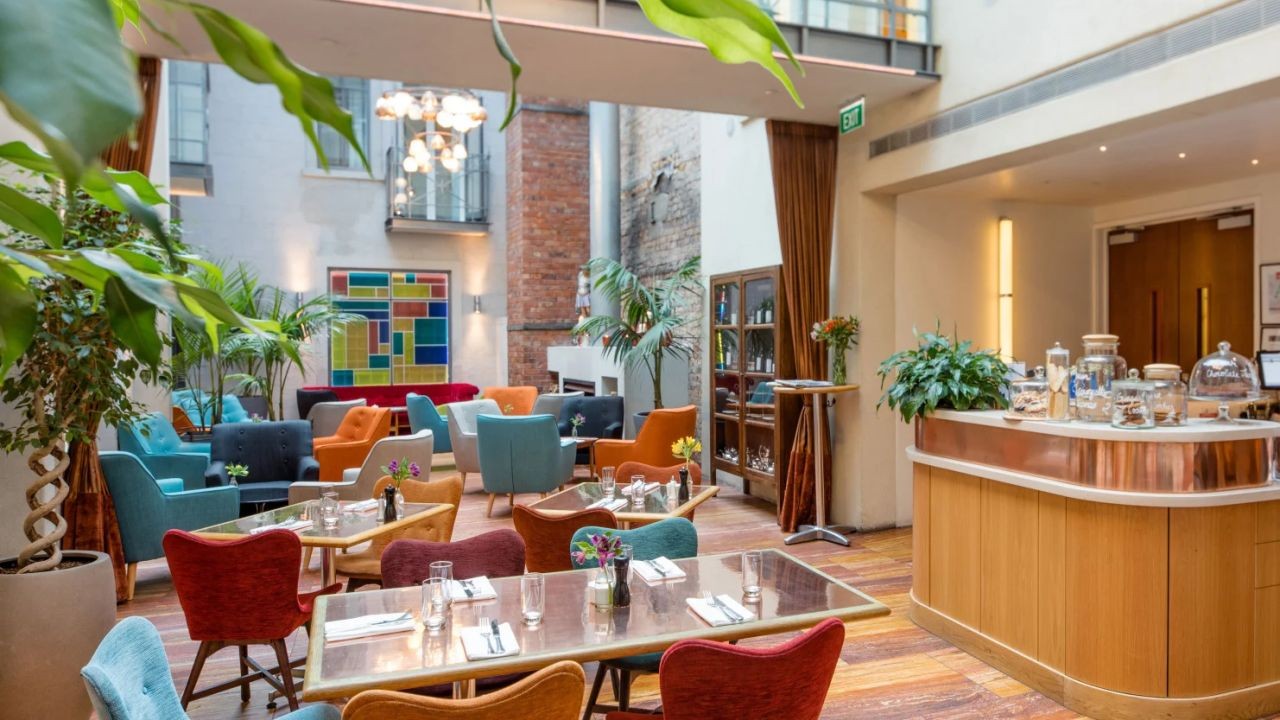
In an increasingly digital world, boutique hotels in New Zealand are turning to innovative video platforms to enhance their market presence. This approach not only showcases their unique amenities but also captures the atmosphere that sets them apart. But how exactly are these boutique hotels leveraging video content, and what does this trend mean for the broader hospitality industry in New Zealand?
Why Are Boutique Hotels Embracing Video Platforms?
In recent years, video content has emerged as a powerful marketing tool, with studies showing that consumers are 64% more likely to purchase a product after watching a video about it. For boutique hotels, which often rely on their unique ambiance and personalized services to attract guests, video offers an unparalleled medium to convey their brand story.
New Zealand's tourism industry, a critical component of the national economy, was valued at NZD 16.2 billion in 2023, according to Stats NZ. As competition intensifies, boutique hotels are seeking new ways to stand out, and video content is proving to be an effective solution.
How Are New Zealand's Boutique Hotels Utilizing Video Platforms?
Several boutique hotels in New Zealand are turning to local video platforms to create immersive content that highlights their distinctive offerings. These platforms allow hotels to showcase their amenities, such as bespoke interiors, scenic views, and unique dining experiences, in a format that is both engaging and informative.
Case Study: How The Rees Hotel in Queenstown Enhanced Guest Engagement
Problem:
The Rees Hotel, known for its luxurious accommodations and stunning views of Lake Wakatipu, faced the challenge of communicating its unique value proposition to potential guests who couldn't experience it in person. Traditional marketing methods were insufficient in capturing the hotel's essence, leading to missed opportunities in guest engagement.
Action:
To address this, The Rees Hotel partnered with a New Zealand-based video platform to develop a series of high-quality videos. These videos provided virtual tours of the hotel, highlighted its exquisite dining options, and featured testimonials from satisfied guests. The content was strategically distributed across social media channels and embedded on the hotel's website.
Result:
- ❇️ A 35% increase in website traffic within six months.
- ❇️ A 20% rise in direct bookings, reducing reliance on third-party booking sites.
- ❇️ Enhanced social media engagement, with video content achieving a 50% higher interaction rate compared to static posts.
Takeaway:
This case study underscores the importance of leveraging video content to enhance guest engagement. For boutique hotels, effectively communicating their unique offerings through video can lead to significant improvements in both online visibility and direct booking rates. New Zealand's hospitality industry can benefit from similar strategies to capture the attention of a global audience.
Expert Opinion: The Future of Video Marketing in Hospitality
According to Dr. Emily Watson, a Professor of Digital Marketing at the University of Auckland, "Video marketing is no longer optional for boutique hotels; it's a necessity. As travelers increasingly seek personalized experiences, video provides a platform to showcase what makes each hotel unique. In the next five years, we expect to see more integration of interactive and virtual reality elements in hotel marketing strategies."
Pros and Cons of Video Marketing for Boutique Hotels
Pros:
- Higher Engagement: Video content is more engaging than text or images, leading to higher interaction rates.
- Enhanced Storytelling: Videos allow hotels to convey their brand story more effectively, highlighting unique features and experiences.
- Improved SEO: Google favors video content, which can lead to better search engine rankings and increased visibility.
Cons:
- High Production Costs: Creating high-quality video content can be expensive, particularly for small boutique hotels with limited budgets.
- Time-Consuming: Video production and editing require significant time and resources, which can be challenging for smaller teams.
- Rapid Content Aging: Videos can quickly become outdated, necessitating frequent updates to maintain relevance.
Common Myths & Mistakes
Myth: Video Content Is Too Expensive for Small Hotels
Reality: While high-end productions can be costly, there are cost-effective solutions available. User-generated content and collaboration with local influencers can provide authentic, engaging videos without breaking the bank.
Myth: All Video Content Needs to Be Professionally Produced
Reality: Authenticity often trumps polish. Viewers appreciate genuine content that provides real insights into the hotel experience, even if it's not professionally produced.
Myth: Longer Videos Are More Engaging
Reality: Attention spans are short. Videos that are concise and focused are more likely to retain viewer interest and drive action.
Future Trends & Predictions
By 2028, it's projected that 70% of New Zealand's boutique hotels will incorporate some form of virtual or augmented reality into their video marketing strategies, according to a report by NZTech. As technology becomes more accessible, these tools will enable hotels to offer immersive experiences that transport potential guests directly into the hotel environment.
Conclusion
The integration of video platforms into the marketing strategies of boutique hotels in New Zealand is not just a trend but a necessary evolution. By effectively leveraging video content, these hotels can communicate their unique offerings, engage potential guests, and ultimately drive bookings. As the hospitality industry continues to embrace digital transformation, those who fail to adopt these strategies risk being left behind.
Are you ready to elevate your hotel's marketing strategy with video content? Share your thoughts and experiences in the comments below!
People Also Ask (FAQ)
How does video marketing impact boutique hotels in New Zealand?
Video marketing enhances guest engagement and increases direct bookings for boutique hotels. A recent study showed that hotels utilizing video content experienced a 20% rise in direct bookings, improving their overall revenue.
What are the biggest misconceptions about video marketing for hotels?
One common myth is that video content is too costly for small hotels. However, affordable solutions like user-generated content and influencer collaborations can yield high engagement without high expenses.
What are the best strategies for implementing video marketing in boutique hotels?
Experts recommend starting with virtual tours, leveraging social media platforms for distribution, and ensuring video content is concise and engaging to maximize viewer retention.
Related Search Queries
- Video marketing for boutique hotels
- New Zealand tourism video platforms
- Hospitality marketing trends NZ
- Virtual tours for hotels
- Video content strategies for small hotels
- Benefits of video marketing in hospitality
- How to increase hotel bookings with video
- Augmented reality in hotel marketing
- Trends in New Zealand's tourism industry
- Affordable video marketing solutions
For the full context and strategies on How Boutique Hotels Use New Zealand Video Platform to Showcase Amenities and Atmosphere, see our main guide: New Zealand Video Platform.