




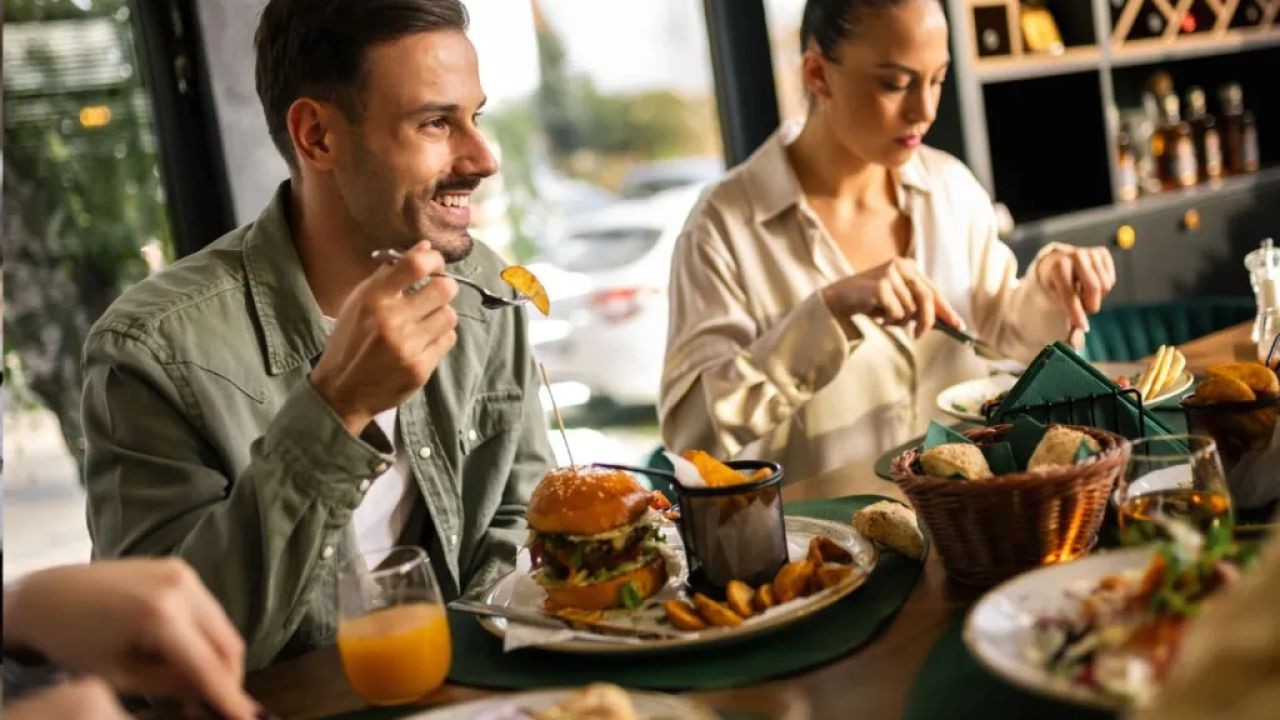
Foodie travel videos have become a formidable force in promoting culinary tourism, particularly in countries like New Zealand, where the culinary landscape is as diverse as its natural scenery. These videos not only showcase the vibrant food culture but also play a pivotal role in boosting local economies by attracting tourists eager to experience the unique flavors of Aotearoa. As New Zealand continues to position itself as a leading destination for gastronomic experiences, understanding the impact of these videos on the local culinary scene offers valuable insights for stakeholders ranging from tourism boards to small business owners.
Expert Opinion & Thought Leadership
New Zealand's culinary tourism is on the rise, with a significant contribution from visually captivating foodie travel videos. According to a report by the Ministry of Business, Innovation, and Employment (MBIE), the tourism sector contributed approximately NZD 41 billion to the economy in 2022, with food tourism accounting for a noticeable share. Industry experts suggest that food-focused travel content on platforms like YouTube and Instagram is instrumental in driving this growth.
As culinary experiences become a primary travel motivator, local chefs and food entrepreneurs are leveraging video content to showcase their offerings. Chef Peter Gordon, a renowned figure in the New Zealand culinary scene, notes, "These videos are like a visual feast that whets the appetite of potential tourists. It's not just about the food; it's about the story behind the dish, the ingredients, and the people." This storytelling aspect is crucial as it enhances viewer engagement and connection to the destination.
Pros & Cons Evaluation
Foodie travel videos offer a range of benefits and challenges for promoting culinary tourism in New Zealand:
Pros:
- Increased Visibility: Videos can reach a global audience, significantly increasing the visibility of New Zealand's culinary offerings.
- Authenticity: They provide an authentic glimpse into the local food culture, enhancing the appeal to international tourists.
- Economic Boost: Attracting tourists interested in food experiences can lead to increased spending in local communities, supporting smaller businesses and local producers.
- Storytelling Potential: Videos excel in storytelling, creating emotional connections that encourage viewers to visit and experience the cuisine firsthand.
Cons:
- Production Costs: High-quality video production requires investment, which can be a barrier for smaller businesses.
- Saturation: With the growing popularity of food travel videos, standing out in a crowded market can be challenging.
- Misrepresentation: Videos focusing on the most photogenic dishes might not fully represent the diversity of culinary offerings.
- Seasonality: Certain foods may only be available seasonally, potentially leading to disappointment for tourists expecting specific dishes.
Case Study: The Impact of Foodie Travel Videos in New Zealand
One notable example of the impact of foodie travel videos is the case of "Destinations of New Zealand," a YouTube channel dedicated to showcasing the country's diverse culinary landscape. The channel's video on traditional Māori hangi cooking methods, which has garnered over 1.2 million views, significantly increased interest in cultural culinary experiences among international viewers.
Problem: New Zealand’s smaller towns and regions often struggle to attract tourists beyond the main cities. These areas possess unique culinary offerings but lack the marketing reach of larger destinations.
Action: "Destinations of New Zealand" focused on creating high-quality, engaging content that highlighted these lesser-known regions. By collaborating with local chefs and food historians, they produced videos that not only showcased the dishes but also the cultural narratives behind them.
Result: The channel's efforts led to a 30% increase in tourist inquiries and bookings in the featured regions within six months. Local businesses reported a surge in foot traffic and sales, particularly during off-peak seasons.
Takeaway: This case illustrates the power of storytelling and cultural connection in foodie travel videos. By focusing on authentic experiences and unique narratives, even smaller regions can capture the attention of global audiences.
Common Myths & Mistakes
Several myths persist regarding the effectiveness of foodie travel videos in promoting culinary tourism:
Myth: "Only high-budget videos succeed." Reality: While quality matters, authenticity and storytelling can outweigh production value. Viewers connect more with genuine content that reflects real experiences.
Myth: "Traditional advertising is more effective." Reality: Studies have shown that video content generates 1,200% more shares than text and image content combined, making it a powerful tool for reaching wider audiences.
Myth: "New Zealand cuisine lacks global appeal." Reality: The fusion of Māori, Pacific, and European influences creates a unique culinary identity that captivates international tourists seeking novel gastronomic experiences.
Data-Driven Analysis
According to Stats NZ, international visitor spending on food and beverage services increased by 15% in 2022 compared to the previous year. This growth highlights the expanding interest in culinary experiences as a key component of travel itineraries. Furthermore, a survey by Tourism New Zealand found that 70% of visitors rated food and wine experiences as a top reason for visiting the country.
In terms of economic impact, the Reserve Bank of New Zealand reports that increased tourism spending contributes to job creation and economic stability, particularly in regions heavily reliant on tourism. As a result, local governments are increasingly investing in promotional campaigns that leverage the power of foodie travel videos to attract tourists.
Future Trends & Predictions
Looking ahead, the role of foodie travel videos in promoting culinary tourism is expected to grow, driven by technological advancements and changing consumer preferences. By 2028, it is predicted that immersive technologies such as virtual reality (VR) and augmented reality (AR) will become integral to travel marketing strategies, allowing potential tourists to experience New Zealand's culinary delights virtually before deciding to visit.
Additionally, as sustainability becomes a priority for travelers, videos highlighting eco-friendly and farm-to-table dining experiences will likely gain traction. This trend aligns with New Zealand's strong focus on environmental sustainability and offers an opportunity for the country to solidify its position as a leader in sustainable culinary tourism.
Conclusion
Foodie travel videos are a powerful tool for promoting culinary experiences in New Zealand, offering a dynamic way to engage potential tourists and showcase the country's rich gastronomic landscape. By embracing authentic storytelling and leveraging the latest technological advancements, New Zealand can continue to attract food enthusiasts from around the world, boosting local economies and supporting sustainable tourism initiatives.
For businesses and tourism stakeholders, the key lies in creating content that resonates with viewers on a personal level, highlighting the unique stories and cultural heritage behind each dish. As the landscape of culinary tourism evolves, staying ahead of trends and adapting to consumer preferences will ensure that New Zealand remains a top destination for food travelers.
What are your thoughts on the role of foodie travel videos in promoting culinary tourism? Share your insights in the comments below!
People Also Ask (FAQ)
- How do foodie travel videos impact New Zealand's tourism industry? Foodie travel videos significantly enhance the visibility of New Zealand's culinary offerings, attracting international tourists and boosting local economies.
- What are the biggest misconceptions about culinary tourism? A common myth is that only high-budget productions are effective. In reality, authenticity and storytelling can have a greater impact on viewer engagement.
- What future trends are expected in culinary tourism? Future trends include the integration of VR and AR technologies in foodie travel videos, offering immersive experiences to potential tourists.
Related Search Queries
- New Zealand culinary tourism trends
- Impact of travel videos on tourism
- Foodie travel videos and local economies
- Sustainable culinary tourism in New Zealand
- Best New Zealand food experiences
For the full context and strategies on How Foodie Travel Videos Promote Culinary Experiences in Aotearoa, see our main guide: Wildlife Nature Tourism Videos Aotearoa.