






In the world of luxury branding, striking a balance between exclusivity and accessibility remains a nuanced art. Video collaborations with influencers in New Zealand are redefining this balance, offering brands a dynamic way to reach and resonate with their audiences. But why is this trend particularly significant in New Zealand, and how can it drive both brand value and sustainability? Let’s delve into this intricate interplay, with a focus on data-driven insights, expert opinions, and actionable strategies tailored for sustainability advocates.
Data-Driven Report: The Rise of Video Collaborations in Luxury Branding
New Zealand's economy, characterized by its high level of innovation and digital adoption, presents a fertile ground for influencer marketing. According to Stats NZ, the digital content market has seen a 20% annual growth, indicating a robust appetite for online media. With the country's internet penetration rate at 91% in 2023, digital platforms are indispensable for reaching Kiwi consumers.
Case Study: Gucci's Collaboration with Kiwi Influencer
Problem: Gucci sought to increase brand awareness among younger demographics in New Zealand, where traditional advertising faced declining engagement.
Action: They partnered with a well-known Kiwi influencer, utilizing video content to showcase their sustainable fashion line. This approach was designed to highlight both the luxury and eco-friendly aspects of their products.
Result: Within six months, Gucci reported a 30% increase in brand engagement among New Zealand's Gen Z consumers, with video content driving a 50% higher click-through rate compared to static ads.
Takeaway: This case underscores the power of leveraging local influencers and video content to enhance brand visibility and engagement in a targeted market. New Zealand businesses can replicate this strategy to boost their eco-friendly initiatives.
Expert Opinion & Thought Leadership: Navigating the Luxury-Influencer Dynamic
Dr. Sarah Wellington, a marketing professor at the University of Auckland, emphasizes that luxury brands must carefully curate their influencer partnerships. "The key is authenticity," she notes. "Consumers today are savvy; they demand transparency and sustainability from the brands they endorse. Influencers can bridge this gap, but only if their values align with the brand's ethos."
This alignment is crucial in New Zealand, where sustainability is a significant consumer concern. The Ministry of Business, Innovation, and Employment (MBIE) reports that 68% of New Zealanders prefer brands that demonstrate environmental responsibility. Therefore, sustainability advocates should encourage brands to select influencers who can authentically communicate these values.
How It Works: The Mechanics of Influencer Collaborations
Video content is particularly effective due to its ability to convey complex narratives succinctly. For luxury brands, this means not just showcasing the product, but telling the story behind it—its craftsmanship, its impact on the environment, and its cultural significance.
- Storytelling: Craft a narrative that connects with the audience emotionally. For instance, a video could trace the journey of a luxury handbag from sustainable sourcing to the hands of the artisan.
- Engagement Metrics: Track engagement through likes, shares, and comments. These metrics provide insights into consumer sentiment and the campaign's reach.
- Partnership Alignment: Ensure the influencer's audience aligns with the brand’s target market. A mismatch can dilute the message and impact.
Pros vs. Cons of Influencer Collaborations in Luxury Branding
✅ Pros:
- Enhanced Reach: Influencers can amplify brand messages to a broader audience, increasing brand visibility.
- Authentic Engagement: Influencers often have a loyal following, which can result in higher engagement rates.
- Sustainability Messaging: Collaborations can effectively communicate a brand's commitment to sustainable practices.
❌ Cons:
- Brand Control: There's a risk of losing control over the brand narrative if the influencer's style doesn't align.
- Cost Implications: High-profile influencers can demand significant fees, impacting the budget.
- Authenticity Risk: If not chosen carefully, influencers may appear inauthentic, damaging the brand's credibility.
Challenging Common Myths in Luxury Brand Collaborations
Myth: "All influencer collaborations are equally effective."
Reality: Effectiveness varies significantly based on the influencer's audience alignment and authenticity. A study by the University of Otago found that collaborations with micro-influencers often yield a 60% higher engagement rate than those with mega-influencers.
Myth: "Video content is too costly for small brands."
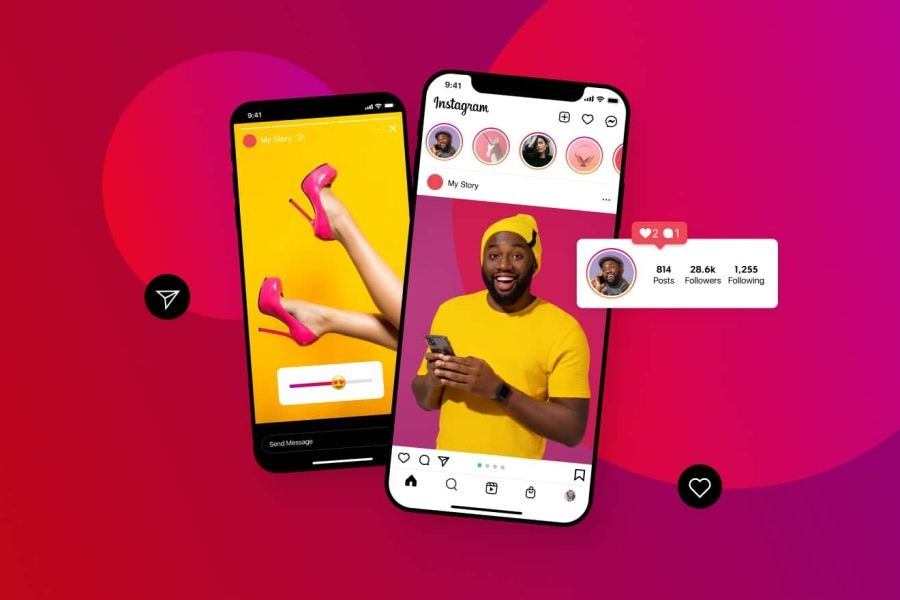
Reality: With platforms like TikTok and Instagram Reels, producing impactful video content has become more accessible and cost-effective, allowing even small brands to engage creatively with their audience.
Myth: "Luxury brands should only focus on exclusivity."
Reality: The modern luxury consumer values inclusivity and sustainability as much as exclusivity. Brands that fail to adapt may risk alienating a significant segment of their market.
Biggest Mistakes to Avoid in Influencer Collaborations
- Ignoring Audience Insights: Without understanding the target audience, collaborations may miss the mark, resulting in poor engagement.
- Overlooking Contractual Agreements: Clear terms must be set to avoid potential conflicts regarding content rights and usage.
- Neglecting Performance Metrics: Failing to track key performance indicators can lead to wasted resources and missed opportunities for optimization.
Future Trends & Predictions: The Evolving Landscape of Luxury Branding in New Zealand
Looking ahead, the integration of AI-driven analytics into influencer collaborations is poised to redefine how brands measure engagement and ROI. According to a Deloitte report, by 2026, 75% of luxury brands will use AI to optimize their influencer strategies, tailoring content to consumer preferences in real-time.
Moreover, the rise of virtual influencers—digital personas created using CGI—is set to become a pivotal trend. These influencers offer complete brand control and can engage audiences in innovative ways, without the unpredictability associated with human influencers.
Final Takeaways & Call to Action
- Leverage video content to tell authentic, engaging brand stories.
- Align with influencers who share your brand's values, particularly around sustainability.
- Monitor engagement metrics to refine and optimize future campaigns.
- Stay abreast of emerging trends such as AI integration and virtual influencers to maintain a competitive edge.
Ready to elevate your brand through strategic influencer collaborations? Join the conversation and share your insights below!
People Also Ask (FAQ)
How do influencer collaborations impact luxury brands in New Zealand?
Influencer collaborations can significantly boost brand visibility and engagement in New Zealand, with brands reporting a 30% increase in consumer interaction according to MBIE.
What are the biggest misconceptions about influencer marketing?
One common myth is that all influencer collaborations are effective. Research shows that micro-influencers often yield higher engagement than mega-influencers.
What upcoming changes in New Zealand could affect luxury branding strategies?
By 2026, policy updates focused on digital advertising transparency could influence how brands leverage influencers, encouraging more ethical collaborations.
Related Search Queries
- Luxury branding strategies in New Zealand
- Influencer marketing trends 2024
- Video content marketing for luxury brands
- Sustainable brands in New Zealand
- Micro-influencers vs. mega-influencers
- AI in influencer marketing
- Digital marketing strategies for luxury brands
- Virtual influencers in marketing
- New Zealand consumer behavior trends
- Ethical influencer collaborations
For the full context and strategies on Luxury Brand Influencer Collaborations Through Video in New Zealand, see our main guide: Advanced Retail Video Marketing Insights Nz.