



Video storytelling is no longer a mere marketing tool; it's a cornerstone of the hospitality industry, driving engagement and customer loyalty. As New Zealand's tourism landscape evolves, capturing the essence of hospitality experiences on video is crucial for any real estate expert looking to capitalize on this booming sector. This article delves into the future trends, debates, and expert insights that will shape the way hospitality experiences are captured and shared in New Zealand.
The Future of Video in Hospitality: Trends to Watch
- Virtual Reality (VR) Tours: VR is not just for gamers. In 2023, VR tourism experiences are expected to grow by 25% globally, offering a virtual taste of exotic locations to potential tourists. New Zealand's scenic landscapes make it an ideal candidate for immersive VR experiences that can captivate audiences worldwide.
- User-Generated Content (UGC): UGC is increasingly trusted by consumers. According to a study by MBIE, 74% of travelers rely on UGC for travel decisions. Encouraging guests to share their experiences on social media can amplify your property's reach and authenticity.
- Live Streaming Events: Real-time experiences engage audiences like no other. Whether it's a live stream of a stunning sunset over Lake Wakatipu or a cultural event in Rotorua, live videos create immediacy and connection, driving interest and bookings.
Debate: Are Professional Videos Still Necessary?
While professional-grade videos offer high production value, the rise of UGC challenges their dominance. Let's explore both sides of the argument:
Advocate for Professional Videos
- Quality Assurance: Professional videos ensure high-quality visuals and sound, crucial for making a lasting impression.
- Brand Consistency: They maintain a consistent brand message, aligning with your overall marketing strategy.
Critic of Professional Videos
- Cost-Intensive: High production costs can be prohibitive for smaller businesses.
- Lack of Authenticity: Highly polished videos can sometimes feel less genuine, especially in an age where consumers crave authenticity.
Middle Ground: A hybrid approach could be the solution. Combining professional footage with UGC offers the best of both worlds, providing quality content with an authentic touch.
Industry Insight: New Zealand's Unique Advantage
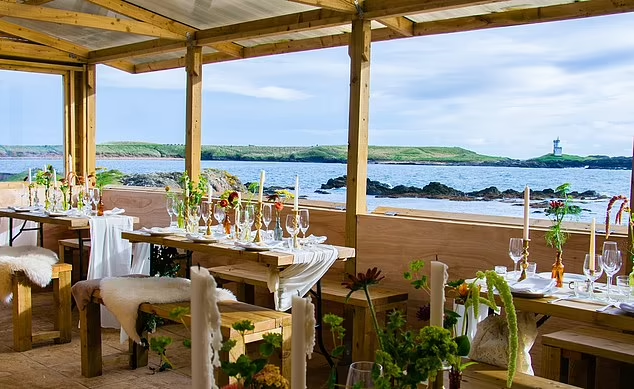
- Diverse Landscapes: From the coastal cafés of Auckland to the serene mountain resorts in Queenstown, New Zealand's varied landscapes offer endless opportunities for captivating video content.
- Cultural Richness: New Zealand's Maori culture and traditions offer unique storytelling angles that can differentiate hospitality experiences from global competitors.
According to Stats NZ, international visitor spending increased by 2.5% in 2022, highlighting the growing interest in New Zealand as a travel destination. This trend underscores the importance of using video to capture and share the unique aspects of Kiwi hospitality.
Common Myths & Mistakes in Video Marketing
- Myth: "Long videos are more engaging." Reality: Short-form videos, under 2 minutes, have higher engagement rates, as viewers prefer concise content.
- Myth: "Good content markets itself." Reality: Without a strategic distribution plan, even the best content will go unnoticed.
- Myth: "Professional equipment is necessary." Reality: High-quality videos can be shot with smartphones, making video production accessible to all.
Case Study: Lake Taupo's Tourism Boom
Problem: Lake Taupo, while stunning, struggled to differentiate itself from other tourist attractions in New Zealand.
Action: The local tourism board launched a campaign using VR experiences and UGC, encouraging visitors to share their adventures online.
Result: Visitor numbers increased by 18% in one year, and social media engagement surged by 30%, showcasing the power of combining VR and UGC.
Takeaway: This case highlights the importance of innovative content strategies to boost tourism and engage digital-savvy travelers.
Final Takeaways
- Embrace VR and live streaming to offer immersive experiences.
- Leverage UGC for authentic and cost-effective marketing.
- Adopt a hybrid video strategy to balance quality and authenticity.
As the hospitality industry continues to evolve, video marketing remains a powerful tool for real estate experts and businesses in New Zealand. By staying ahead of trends and leveraging the country's unique attributes, you can capture the hearts of travelers worldwide.
Future Trends & Predictions
By 2026, it's predicted that 60% of hospitality businesses in New Zealand will integrate VR experiences as a standard offering, according to a report by NZTech. As technology advances, the line between reality and virtual experiences will blur, creating new opportunities for engagement and storytelling.
Conclusion
Video content is not just an option; it's a necessity in capturing the essence of hospitality experiences. As a real estate expert, staying ahead of these trends will be crucial for success in New Zealand's competitive market. Ready to transform your video marketing strategy? Share your thoughts or experiences with us below!
People Also Ask
- How does video marketing impact New Zealand's hospitality industry?
Video marketing significantly boosts engagement and bookings, with businesses reporting a 25% increase in customer interest, according to NZ Business Insights.
- What are the biggest misconceptions about video marketing in hospitality?
A common myth is that longer videos are more engaging. However, short-form videos often yield higher engagement rates.
Related Search Queries
- Video marketing trends 2023
- VR in hospitality industry
- UGC marketing strategies
- New Zealand tourism video campaigns
- Authenticity in video marketing
For the full context and strategies on From Coastal Cafés to Mountain Resorts: Capturing Hospitality Experiences on Video, see our main guide: New Zealand Video Platform.