





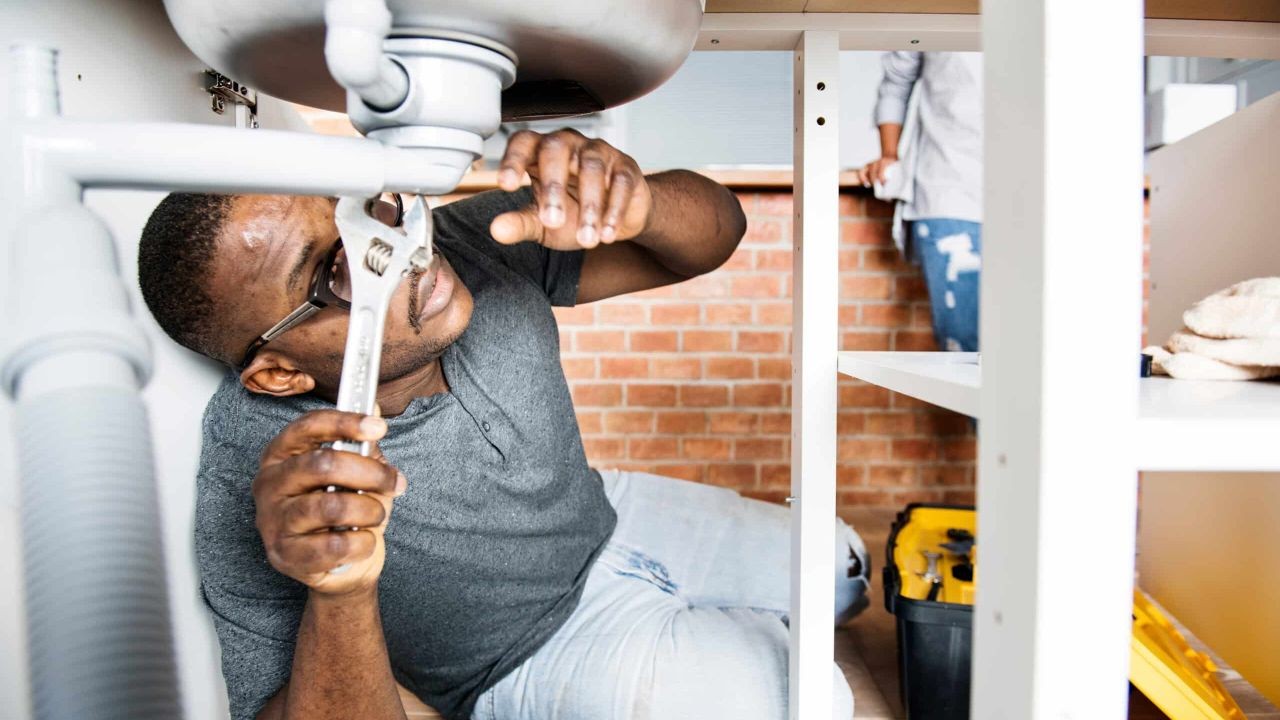
In New Zealand, where sustainability and environmental consciousness are paramount, finding a reliable plumber extends beyond merely addressing water leaks. It encompasses ensuring that the plumbing services align with energy-saving measures and eco-friendly practices. With water conservation becoming a critical issue, particularly in areas facing droughts or water restrictions, the role of a plumber has evolved to include a focus on sustainability. This article delves into strategies for identifying trustworthy plumbers who can deliver not only quality services but also contribute to the sustainability goals of Kiwi households and businesses.
🔍 Understanding the Plumbing Landscape in New Zealand
New Zealand's plumbing industry is undergoing a transformation, driven by the dual factors of regulatory changes and the increasing demand for sustainable practices. According to the Ministry of Business, Innovation and Employment (MBIE), the construction and plumbing sectors are expected to grow by 4% annually, reflecting the nation's focus on infrastructure development and renovation. This growth, however, comes with its challenges, such as ensuring that newer plumbing installations meet environmental standards.
🔹 Key Challenges & Opportunities
- Regulatory Compliance: New Zealand's Building Code mandates strict compliance with water efficiency standards, a critical consideration when selecting a plumber.
- Eco-Friendly Solutions: Plumbers incorporating green technologies, such as low-flow fixtures and rainwater harvesting systems, are in high demand.
- Skilled Workforce Shortage: The industry faces a shortage of skilled plumbers, making it crucial to identify those who prioritize continuous learning and adaptation to new technologies.
🔍 How to Identify a Reliable Plumber: A Deep Dive
Finding a reliable plumber involves a strategic approach that combines research, verification, and evaluation of credentials. Here's a step-by-step guide:
1️⃣ Verify Credentials & Licensing
- Ensure the plumber holds a valid license from the Plumbers, Gasfitters, and Drainlayers Board (PGDB).
- Check for membership in reputable industry associations such as Master Plumbers, which indicates adherence to quality standards.
2️⃣ Evaluate Experience & Specialization
- Consider plumbers with a proven track record in eco-friendly installations and water-saving solutions.
- Review case studies or client testimonials that highlight successful projects, particularly those involving sustainable practices.
3️⃣ Assess Quality of Service
- Request detailed quotes that include labor, materials, and any potential additional costs to avoid hidden charges.
- Inquire about after-service support and warranty policies, which reflect the plumber's commitment to customer satisfaction.
🔍 Comparative Analysis: Traditional vs. Sustainable Plumbing Practices
Adopting sustainable plumbing practices not only aligns with environmental goals but also offers long-term cost savings. Here’s a comparison:
✅ Pros of Sustainable Plumbing
- Cost Savings: Reduced water bills through efficient fixtures and systems.
- Environmental Impact: Decreased water waste and resource consumption.
- Increased Property Value: Homes with sustainable features often attract higher market prices.
❌ Cons of Sustainable Plumbing
- Higher Initial Costs: Investment in green technologies can be higher upfront.
- Availability of Parts: Eco-friendly fixtures may require specialized parts that are not always readily available.
🧠 Insights from the Industry
Dr. Andrew Foster, a sustainability consultant, emphasizes that integrating sustainable plumbing solutions is not merely a trend but a necessity as New Zealand aims to meet its environmental targets. He notes, "By 2030, sustainable plumbing will not only be a regulatory requirement but a societal expectation, driven by consumer demand for eco-friendly living solutions."
📖 Real-World Case Study: Eco-Plumbing Innovations in Wellington
Case Study: EcoFlow Plumbing – Leading the Way in Sustainable Solutions
Problem: EcoFlow Plumbing, based in Wellington, faced the challenge of increasing awareness and adoption of sustainable plumbing solutions among residential clients.
- Many homeowners were reluctant to invest in higher-cost installations despite long-term savings.
- Research indicated a general lack of understanding about the benefits of eco-friendly plumbing.
Action: EcoFlow launched an educational campaign highlighting the environmental and economic benefits of sustainable plumbing.
- Conducted workshops and seminars in partnership with local councils.
- Offered discounts and financing options to encourage the adoption of green technologies.
Result: Within six months, EcoFlow saw a 30% increase in demand for its services.
- Customer surveys indicated a 95% satisfaction rate with the new installations.
- EcoFlow's market share in Wellington increased by 18%, underscoring the effectiveness of their strategy.
Takeaway: Education and incentives are powerful tools in promoting sustainable practices. New Zealand businesses can replicate EcoFlow's model to drive consumer engagement and market growth.
🔍 Common Myths & Mistakes
Myth vs. Reality
- Myth: "All plumbers are the same." Reality: Plumbers specializing in sustainable practices offer unique benefits, such as reduced water usage and compliance with eco-friendly regulations.
- Myth: "Sustainable plumbing is too expensive." Reality: While initial costs may be higher, long-term savings on water bills and increased property value offset these expenses.
- Myth: "Sustainable fixtures compromise performance." Reality: Modern eco-friendly fixtures are designed to enhance performance while minimizing water wastage.
❌ Common Mistakes to Avoid
- Neglecting to Check References: Always verify the plumber’s previous work and client feedback.
- Overlooking the Importance of Licensing: Unlicensed plumbers may lack the necessary skills and knowledge.
- Ignoring Warranty and After-Service: Ensure there is a clear warranty policy to cover future issues.
🔮 Future Trends & Predictions
By 2026, New Zealand is expected to see a significant shift towards mandatory sustainable practices in all new plumbing installations. According to a report from Stats NZ, there is a projected 40% increase in the adoption of sustainable plumbing technologies, driven by both regulatory requirements and consumer demand. This trend underscores the importance of choosing plumbers who are ahead of the curve in implementing environmentally friendly solutions.
Conclusion
Choosing a reliable plumber in New Zealand requires a careful balance of checking credentials, understanding the importance of sustainable practices, and ensuring compliance with local regulations. As sustainability becomes a focal point, it's crucial for homeowners and businesses to align their plumbing needs with environmental goals. By following the steps outlined in this guide, you can ensure that your plumbing solutions are not only reliable but also contribute positively to New Zealand's environmental future.
What’s your next step? Start by verifying your current plumbing setups' compliance with eco-friendly standards and consider upgrading to sustainable solutions. Engage with local plumbers who prioritize environmental responsibility and innovative practices.
Related Search Queries
- Best eco-friendly plumbing solutions in NZ
- How to verify plumber credentials in New Zealand
- Top sustainable plumbing practices for Kiwi homes
- New Zealand plumbing regulations and sustainability
- Tips for hiring a plumber in Wellington
People Also Ask (FAQ)
- How does sustainable plumbing impact businesses in New Zealand? Sustainable plumbing can lead to significant water savings and reduced utility costs, enhancing operational efficiency and supporting corporate social responsibility goals.
- What are the biggest misconceptions about hiring plumbers in NZ? One common myth is that all plumbers offer the same services. However, specialization in sustainable practices can make a significant difference in long-term outcomes.
- What is the future of plumbing in New Zealand? By 2026, there will be a surge in sustainable plumbing installations, driven by regulatory changes and increased consumer awareness.
For the full context and strategies on How to Find a Reliable Plumber in Your NZ Region, see our main guide: Construction Safety Training Nz.