



New Zealand's culinary scene is a vibrant tapestry, seamlessly weaving street food markets with gourmet pop-ups, creating a rich cultural narrative. As a real estate expert, understanding this dynamic can be key to identifying lucrative opportunities in urban development and property investment. With an optimistic outlook, we delve into how capturing the essence of New Zealand's culinary culture online can significantly impact real estate dynamics, driving both local engagement and international interest.
The Rise of culinary Experiences in New Zealand
Imagine strolling through Auckland's night markets, where the aroma of sizzling lamb skewers mingles with the sweet scent of pavlova. Or picture a gourmet pop-up event in Wellington, offering a fusion of traditional Maori and contemporary cuisine. These experiences are not just about food; they are about community, culture, and connection. And now, they are being brought online, expanding their reach and influence.
According to Stats NZ, the hospitality sector, including food services, contributes significantly to the economy, accounting for over $11 billion in annual revenue. This growth is mirrored in the real estate sector, where properties near popular food destinations see increased value and demand.
Street Food Markets: A Community Hub
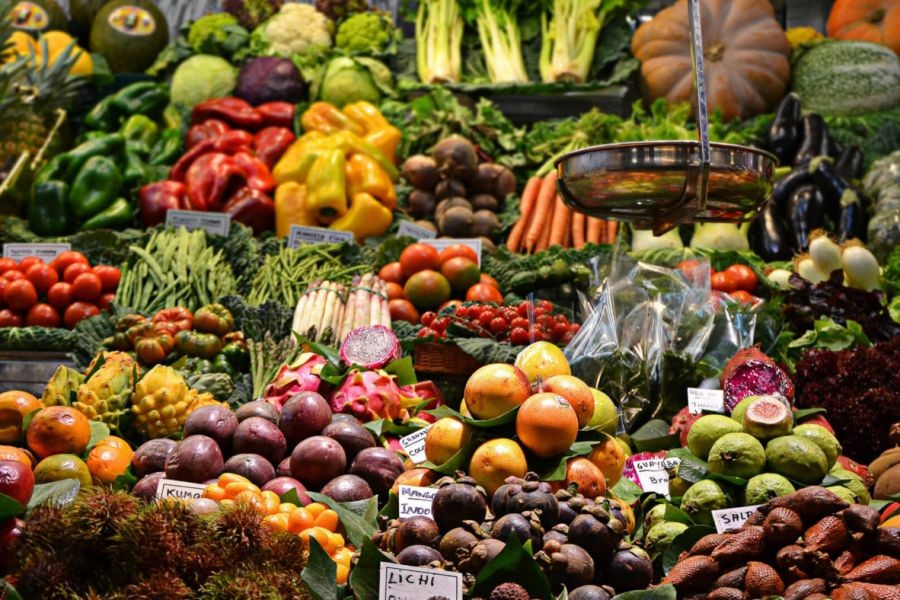
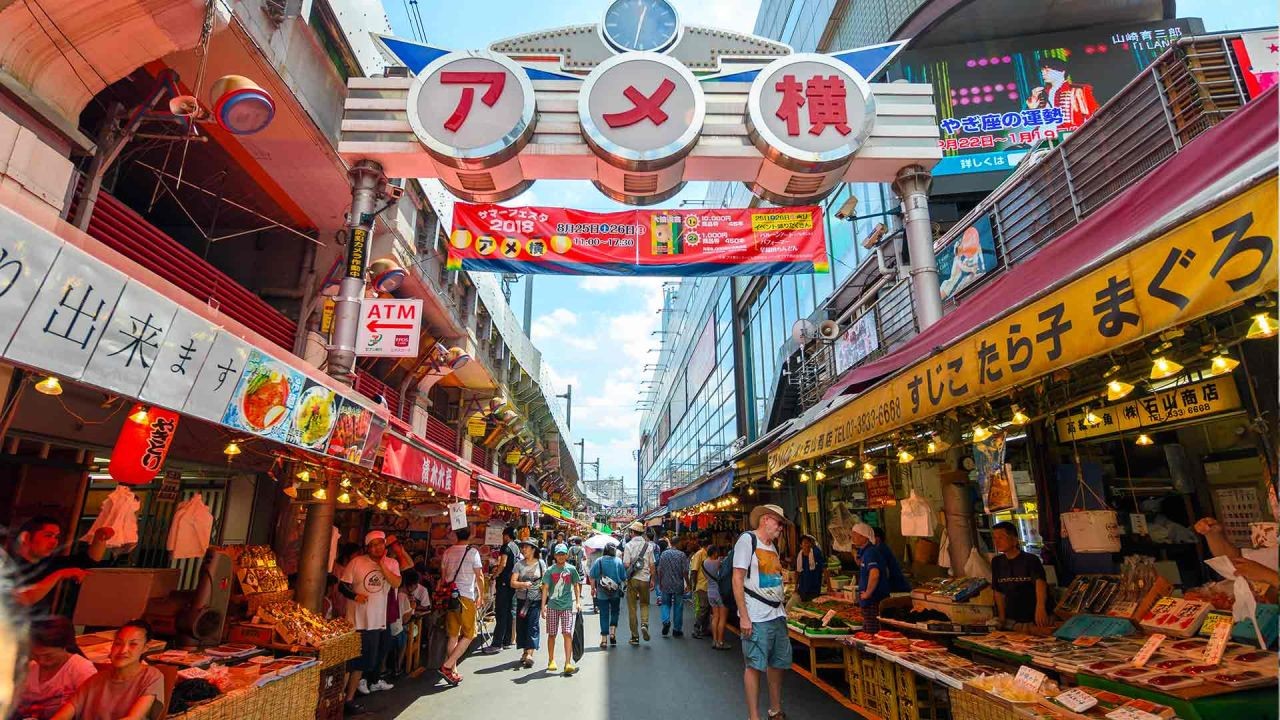
Street food markets are more than just a collection of food stalls; they are community hubs that foster local culture and tourism. These markets attract both residents and tourists, creating a lively atmosphere that boosts local economies. For real estate investors, properties near such markets are highly desirable, offering potential for both residential and commercial development.
Gourmet Pop-Ups: culinary Innovation
Gourmet pop-ups, on the other hand, represent a growing trend towards culinary innovation. They offer unique dining experiences, often in unexpected locations, which can transform underutilized spaces into thriving business opportunities. The flexibility and novelty of pop-ups attract a diverse crowd, increasing foot traffic and enhancing the value of surrounding properties.
Case Study: Wellington's culinary Transformation
In Wellington, a city known for its vibrant arts scene, food has become a central part of urban culture. The transformation of an old industrial area into a bustling food district is a testament to the impact of culinary culture on real estate.
Problem: The area was struggling with underutilization and a lack of foot traffic, which made it unattractive to investors.
Action: A local entrepreneur saw potential in the area and initiated a series of gourmet pop-up events, attracting food enthusiasts from across the country.
Result: Within a year, the area experienced a 30% increase in property values, and local businesses reported a 40% rise in revenue.
Takeaway: This case study highlights the potential of culinary culture to revitalize urban areas and enhance property values.
Industry Insights: The Digital Shift
As more Kiwis turn to digital platforms for culinary inspiration, there's a unique opportunity for real estate professionals to leverage this trend. By integrating food culture into online marketing strategies, you can attract a wider audience and highlight the lifestyle benefits of specific locations.
Recent research from the Reserve Bank of New Zealand suggests that digital engagement is a key driver of economic growth, with online platforms playing a crucial role in connecting consumers with local businesses.
Common Myths & Mistakes
- Myth: "culinary culture is only relevant to the hospitality industry." Reality: Real estate values are significantly influenced by local culinary trends, as they attract tourism and enhance community appeal.
- Myth: "Digital platforms cannot capture the essence of food culture." Reality: Online engagement can enhance community connection and drive foot traffic, as evidenced by the success of digital marketing campaigns in Wellington.
Future Trends & Predictions
Looking ahead, we can expect the integration of culinary culture and real estate to deepen. By 2026, policy updates are likely to promote sustainable food practices, influencing property development trends. Furthermore, the rise of virtual reality could offer immersive culinary experiences online, further extending the reach and impact of New Zealand's food culture.
Conclusion
New Zealand's culinary culture is a powerful driver of both community engagement and real estate value. By capturing this essence online, real estate professionals can capitalize on emerging trends, attract diverse audiences, and ultimately enhance property investments. Are you ready to explore the intersection of food and real estate? Share your thoughts and join the conversation!
People Also Ask (FAQ)
- How does culinary culture impact real estate in New Zealand? culinary culture enhances community appeal, driving property value and attracting tourism, leading to increased economic activity.
- What are the biggest misconceptions about culinary culture in real estate? Many believe it's irrelevant to real estate, yet it significantly influences property value through tourism and local engagement.
- What are the best strategies for integrating culinary culture into real estate? Leverage digital platforms, highlight cultural experiences, and collaborate with local food businesses to enhance property appeal.
Related Search Queries
- New Zealand culinary culture
- Street food markets NZ
- Gourmet pop-ups real estate impact
- Wellington food scene transformation
- Digital marketing in real estate NZ
- Sustainable food practices New Zealand
- Real estate investment opportunities NZ
- Property value trends in New Zealand
- culinary tourism in New Zealand
- Urban development trends NZ
For the full context and strategies on From Street Food Markets to Gourmet Pop-Ups: Capturing NZ Culinary Culture Online, see our main guide: New Zealand Video Platform.