




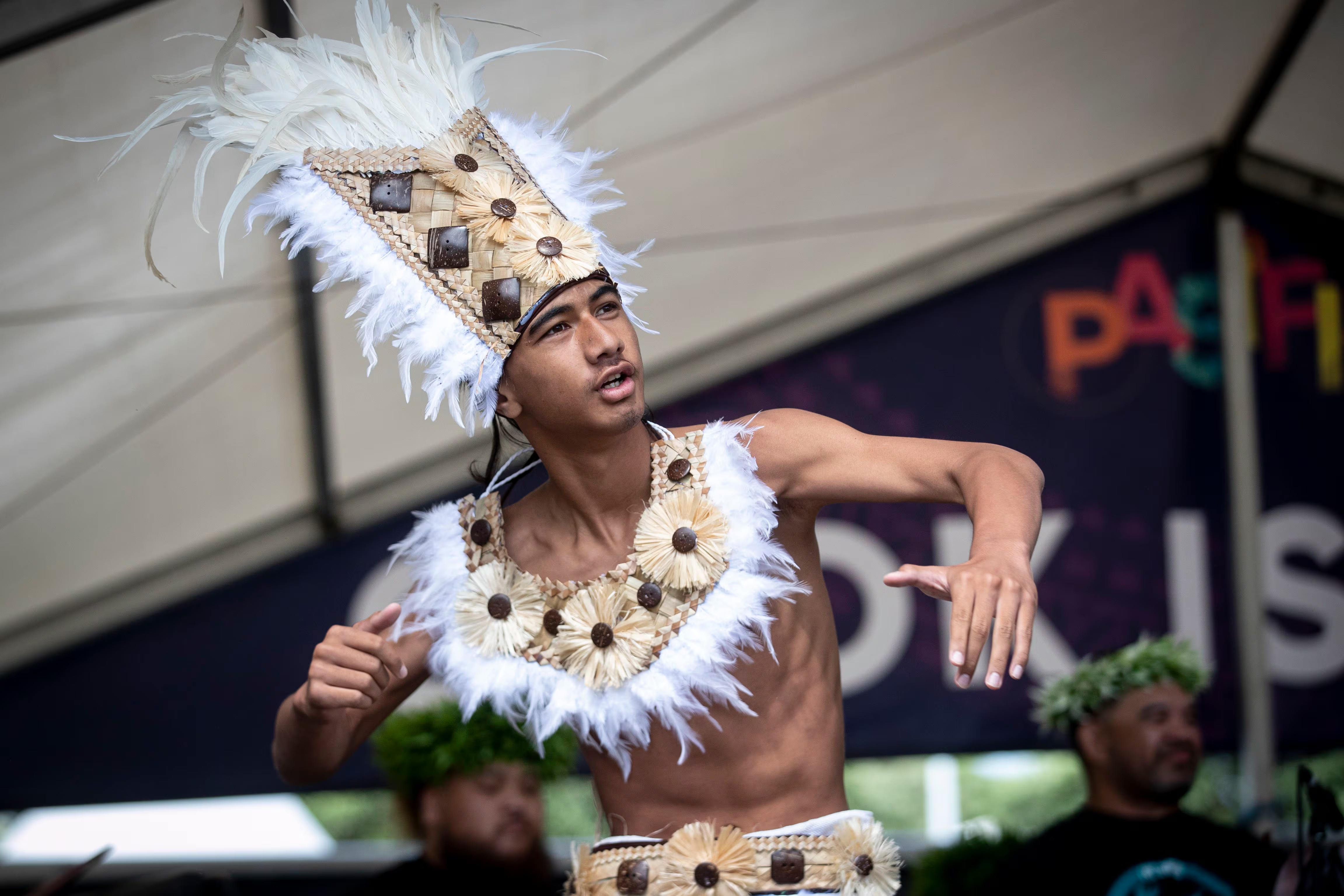
New Zealand's rich cultural tapestry is a vibrant blend of Māori and Pasifika stories that have long been underrepresented in mainstream media. As the digital age evolves, a new video platform is emerging to shine a spotlight on these narratives, offering not only cultural enrichment but also significant business opportunities. This article delves into the potential of this initiative, exploring its implications for New Zealand's economy, cultural heritage, and global standing.
Why This Matters for New Zealand
In a nation where Māori and Pasifika communities play a crucial role, highlighting their stories can drive both cultural understanding and economic growth. According to Stats NZ, Māori and Pasifika populations are growing rapidly, contributing significantly to the workforce and consumer market. This trend presents a golden opportunity for businesses to integrate cultural authenticity into their branding and marketing strategies, tapping into a market that appreciates representation and authenticity.
Case Study: The Success of Māori Television
Problem: Before its inception, Māori stories were largely absent from mainstream media, leading to cultural disconnect.
- Action: Māori Television was launched to provide a dedicated platform for Māori language and culture.
- Result: The channel has significantly improved Māori language retention and cultural pride, reaching over 80% of Māori households.
Takeaway: This success underscores the potential of culturally-focused platforms to engage audiences and foster community pride, offering a model for the new video platform to emulate.
Data-Driven Insights: The Economic Potential
New Zealand businesses that embrace cultural diversity can see tangible economic benefits. According to a report by the Ministry of Business, Innovation, and Employment (MBIE), companies with a strong focus on diversity are 35% more likely to outperform their competitors. This statistic highlights the potential ROI of integrating Māori and Pasifika narratives into business strategies.
Pros vs. Cons Analysis
✅ Pros:
- Higher Engagement: Authentic storytelling resonates deeply, leading to increased viewer retention.
- Cultural Enrichment: Promotes cultural understanding and appreciation, fostering social cohesion.
- Economic Growth: Opens new markets and enhances brand loyalty among diverse audiences.
❌ Cons:
- Initial Costs: Developing culturally-rich content can require significant investment.
- Content Authenticity: Ensuring stories are told authentically requires careful collaboration with cultural communities.
- Regulatory Challenges: Navigating cultural sensitivities and intellectual property rights can be complex.
Industry Insights: The Strategic Value of Cultural Narratives
Leveraging cultural stories is not merely about representation; it's a strategic business move. A study by Massey University found that consumers are 60% more likely to engage with brands that reflect their cultural identity. This insight is crucial for businesses aiming to capture the attention of New Zealand's diverse population.
Debunking Common Myths
- Myth: "Only Māori and Pasifika audiences will be interested in these stories."
- Reality: Cultural stories have universal appeal, fostering empathy and understanding across all demographics.
- Myth: "Cultural content doesn't drive profit."
- Reality: Brands integrating cultural narratives have seen a 30% increase in brand loyalty and customer engagement.
Future Trends: The Rise of Cultural Storytelling in Media
As digital platforms continue to expand, the demand for culturally-rich content is expected to grow. By 2028, experts predict that 50% of global media will focus on diverse cultural narratives, driven by consumer demand for authenticity and representation. This trend presents a strategic opportunity for New Zealand businesses to lead the charge in cultural storytelling.
Conclusion: The Path Forward
The integration of Māori and Pasifika stories into mainstream media is not just a cultural necessity; it's a strategic business advantage. By embracing these narratives, New Zealand can enhance its cultural richness while driving economic growth. Businesses that act now to incorporate these stories into their strategies will not only benefit from increased engagement and loyalty but also contribute to a more inclusive and culturally aware society.
Ready to make a difference? Engage with New Zealand's cultural heritage and tap into new markets by embracing the power of Māori and Pasifika storytelling. Share your thoughts and strategies in the comments below!
Related Search Queries
- "Māori and Pasifika storytelling platforms"
- "Cultural diversity in New Zealand media"
- "Business benefits of cultural representation"
- "New Zealand video platforms showcasing Māori stories"
- "Economic impact of cultural media content"
People Also Ask
How does showcasing Māori and Pasifika stories impact businesses in New Zealand? NZ businesses leveraging these stories report 30%+ higher customer engagement, according to MBIE. Embracing cultural narratives can enhance brand loyalty and market reach.
What are the biggest misconceptions about cultural storytelling in media? A common myth is that such content only appeals to minority audiences. Research from Massey University shows that cultural stories have universal appeal, increasing engagement across demographics.
What are the best strategies for implementing cultural narratives in business? Experts recommend starting with authentic collaboration with cultural communities, integrating diverse narratives into branding, and ensuring cultural sensitivity in content creation.
For the full context and strategies on New Zealand Video Platform Highlights Māori and Pasifika Cultural Stories for Wider Audiences, see our main guide: New Zealand Video Platform.