




In recent years, the resurgence of Māori culture has been a transformative force in New Zealand, influencing various aspects of life from education to business. This cultural revival is not just about preserving traditions but also about integrating Māori values into modern society. The unfolding narrative of this resurgence provides both opportunities and challenges for policymakers, business leaders, and the wider community.
The Significance of Māori Cultural Resurgence
Māori cultural resurgence is deeply rooted in the desire to strengthen identity and ensure the survival of Māori language and traditions. This movement has gained momentum since the 1970s and has been characterized by increased educational and economic initiatives aimed at uplifting Māori communities. According to Stats NZ, Māori now comprise approximately 16.5% of the national population, making their cultural influence significant in shaping New Zealand's future.
Pros and Cons of Māori Cultural Resurgence
Pros:
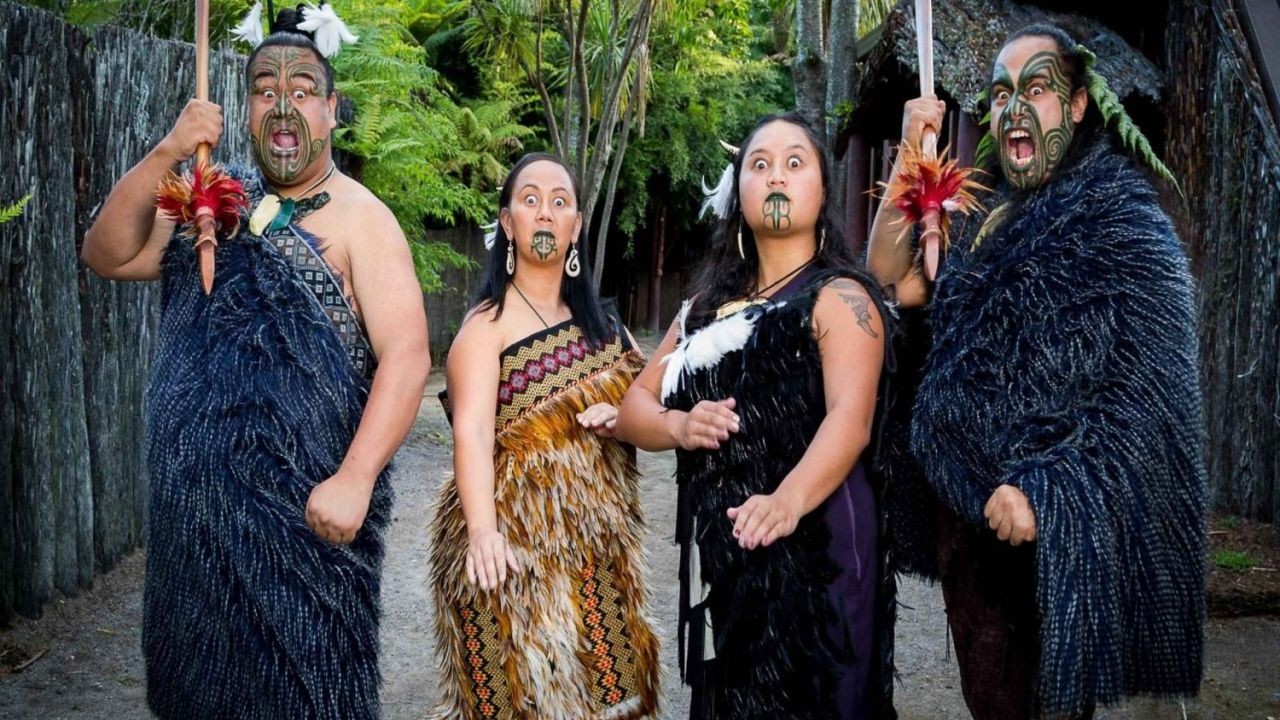
- Economic Empowerment: Māori cultural tourism contributes significantly to New Zealand's economy by attracting international visitors interested in indigenous experiences.
- Social Cohesion: Incorporating Māori values such as manaakitanga (hospitality) into workplaces and communities promotes inclusivity and respect.
- Educational Opportunities: Initiatives like Te Kōhanga Reo (Māori language preschools) have led to increased language proficiency among younger generations, fostering a deeper connection to heritage.
Cons:
- Cultural Misappropriation: As Māori culture becomes more integrated into mainstream culture, there is a risk of commercialization and loss of authenticity.
- Resource Allocation: Balancing resource distribution for Māori initiatives with broader national priorities can be contentious, especially in areas like education and healthcare.
- Political Tensions: Debates over Māori land rights and sovereignty continue to challenge policymakers and communities.
Real-World Case Study: Ngāi Tahu's Economic Transformation
Problem: Ngāi Tahu, one of the largest iwi (tribes) in New Zealand, experienced significant economic deprivation due to historical grievances and land confiscations. This led to socio-economic challenges within their communities.
Action: In 1998, Ngāi Tahu received a settlement from the Crown, which they strategically reinvested in various sectors including tourism, agriculture, and fisheries. They established Ngāi Tahu Holdings, a commercial entity to manage their assets.
Result: Over two decades, Ngāi Tahu Holdings reported an asset base exceeding NZD 1.3 billion, with profits reinvested into community development, education, and cultural heritage programs.
Takeaway: This case study highlights the potential of integrating cultural values with strategic economic planning. Other iwi and indigenous groups can draw lessons from Ngāi Tahu's approach to achieving economic self-sufficiency while preserving cultural identity.
Common Myths & Mistakes
Myth: "Māori cultural practices are outdated and irrelevant in modern society." Reality: Māori values such as kaitiakitanga (guardianship) are increasingly relevant in sustainability and environmental management, influencing New Zealand's green policies.
Myth: "Only Māori benefit from cultural resurgence initiatives." Reality: The integration of Māori culture enriches New Zealand's social fabric and enhances cultural tourism, benefiting the national economy.
Future Trends & Predictions
The future of Māori cultural resurgence looks promising as digital platforms expand access to Māori language and traditions. By 2030, it is predicted that digital tools will make Te Reo Māori (Māori language) accessible to over 500,000 New Zealanders, according to a report by the University of Auckland. This digital expansion will further integrate Māori culture into everyday life, impacting education, media, and governance.
Conclusion
The Māori cultural resurgence is a dynamic and integral part of New Zealand's identity. It offers significant opportunities for economic growth, social cohesion, and cultural enrichment. As New Zealand continues to embrace Māori culture, it is crucial for policymakers and businesses to support initiatives that respect and preserve the authenticity of this rich heritage. What steps will you take to integrate Māori values into your community or organization? Share your thoughts and strategies in the comments below!
People Also Ask
How does Māori cultural resurgence impact businesses in New Zealand? Māori cultural resurgence offers businesses opportunities to engage with cultural tourism and incorporate Māori values, enhancing brand authenticity and consumer trust.
What are the biggest misconceptions about Māori cultural resurgence? One common myth is that Māori cultural initiatives only benefit Māori communities. In reality, these initiatives enrich New Zealand's social and economic landscape for all.
Related Search Queries
- Māori cultural resurgence
- Impact of Māori culture on New Zealand economy
- Māori language revival
- Māori cultural tourism
- Te Reo Māori in schools
- Māori economic development
- Ngāi Tahu success story
- Māori traditions in modern society
- New Zealand's cultural diversity
- Māori integration in business