




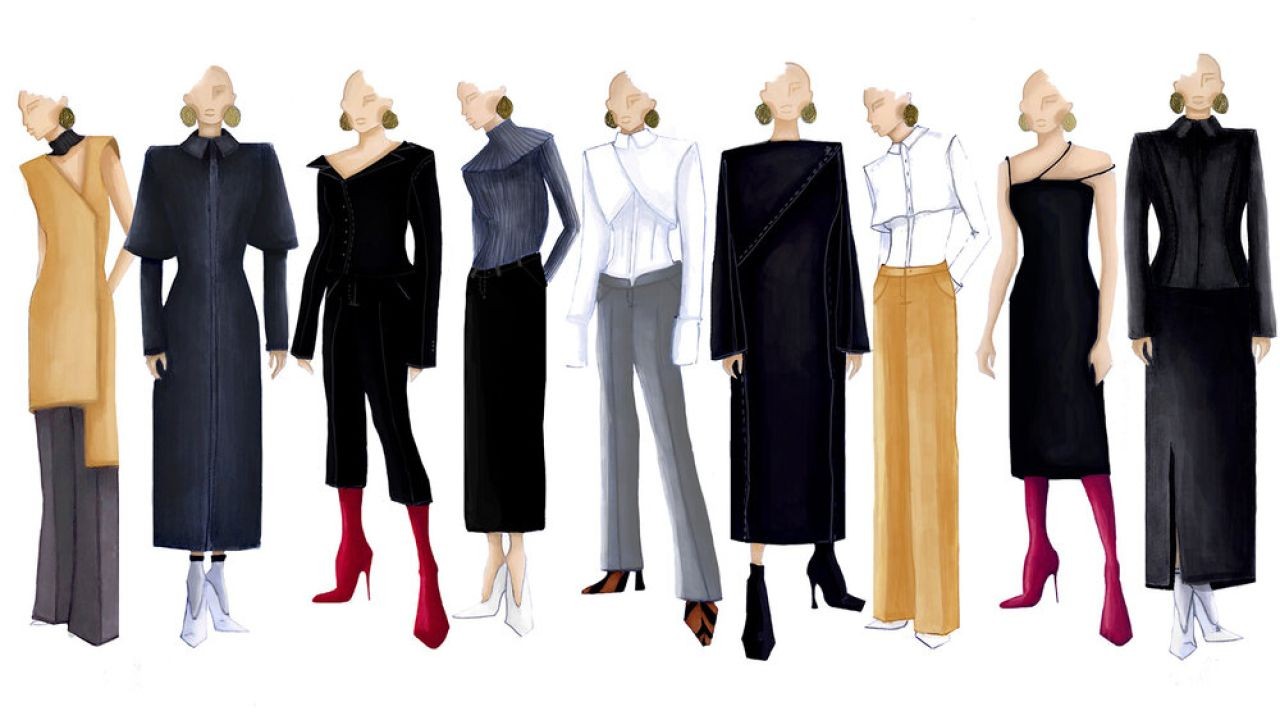
In recent years, New Zealand has emerged as a hotbed for innovation, particularly in the arts and fashion sectors. With the advent of digital platforms, local designers are finding new avenues to showcase their creativity globally. This shift is not only redefining the fashion industry but also creating substantial economic opportunities. A prime example of this transformation is the emergence of a new video platform that empowers Kiwi fashion designers by providing them a global stage. But what does this mean for the New Zealand economy, and how can local businesses leverage this trend?
The Rise of Digital Platforms in New Zealand
Over the last decade, New Zealand has seen a significant rise in the adoption of digital technologies. According to the Ministry of Business, Innovation, and Employment (MBIE), the digital economy contributes over 8% to the country's GDP. This growth is driven by increasing internet penetration and a tech-savvy population eager to embrace new technologies. The fashion industry, traditionally reliant on physical showcases, is now rapidly adapting to this digital landscape. Video platforms are at the forefront of this change, offering an innovative way to engage audiences and drive sales.
Case Study: The Impact of Digital Platforms on Kiwi Fashion
Case Study: DesignerX – Expanding Global Reach
Problem: DesignerX, a Wellington-based fashion label, faced challenges in reaching international markets due to limited marketing resources and high costs associated with traditional fashion shows.
- Their primary issue was visibility, as local showcases did not provide the global exposure needed to compete against international brands.
- As per industry data, approximately 70% of New Zealand fashion exports are concentrated in Australia, limiting broader global penetration.
Action: DesignerX turned to a new video platform tailored for fashion designers, which enabled them to host virtual fashion shows and engage with a global audience.
- By leveraging this platform, DesignerX could showcase their collections to international buyers and fashion enthusiasts without the geographical constraints.
- The platform's analytics tools offered insights into viewer demographics, helping them tailor their marketing strategies effectively.
Result: Within six months, DesignerX reported significant improvements:
- International sales increased by 45%, with a notable rise in orders from Europe and North America.
- Brand awareness soared, with social media followers growing by 60%.
- Cost savings of over 30% were realized compared to traditional marketing methods.
Takeaway: This case study highlights the power of digital platforms in breaking geographical barriers for local designers. New Zealand businesses can harness similar technologies to expand their reach and capitalize on global markets.
Pros and Cons of Digital Platforms for Fashion Designers
Pros:
- Increased Reach: Platforms provide access to a global audience, breaking traditional market constraints.
- Cost-Effective Marketing: Digital showcases are more affordable than traditional fashion events.
- Data-Driven Insights: Access to analytics allows designers to understand audience preferences and tailor offerings accordingly.
- Flexibility: Designers can easily update collections and respond to market trends in real-time.
Cons:
- High Competition: The digital space is crowded, making it challenging to stand out without a unique strategy.
- Technical Challenges: Effective use requires a certain level of technical expertise and resources.
- Privacy Concerns: Handling consumer data responsibly is crucial to maintaining trust.
Future Trends and Predictions for New Zealand's Fashion Industry
Looking ahead, the integration of digital platforms in the fashion industry is expected to accelerate in New Zealand. According to a report by NZTech, the digital transformation of the fashion sector will likely contribute an additional NZD 2 billion to the economy by 2028. This growth will be driven by advancements in artificial intelligence and augmented reality, enhancing the consumer experience and providing personalized shopping solutions.
Furthermore, as global trends lean towards sustainable fashion, New Zealand designers are well-positioned to lead this movement, given the country's strong emphasis on sustainability. By leveraging digital platforms, they can showcase their eco-friendly practices and products to a global audience, tapping into a growing consumer demand for sustainable options.
Common Myths and Mistakes
Myth: "Digital platforms are only for tech-savvy designers."
Reality: While technical skills can enhance usage, user-friendly platforms are accessible to all designers, regardless of their tech proficiency.
Myth: "Local markets are sufficient for growth."
Reality: Relying solely on local markets limits potential. Global exposure through digital platforms can significantly boost sales and brand recognition.
Myth: "Digital fashion shows lack the impact of physical events."
Reality: Virtual showcases offer unique engagement opportunities, such as interactive elements and real-time feedback, which can enhance brand experience.
Final Takeaways and Call to Action
- Digital platforms offer New Zealand fashion designers unprecedented opportunities to reach global markets.
- Embracing these technologies can lead to substantial cost savings and increased brand visibility.
- As the industry evolves, staying ahead of digital trends is crucial for sustained growth and competitiveness.
Are you a fashion designer ready to expand your reach? Leverage digital platforms to showcase your creations to the world. Share your experiences and insights in the comments below!
People Also Ask (FAQ)
How does the new video platform impact fashion designers in New Zealand?
NZ fashion designers using the platform report a 45% increase in international sales, allowing them to engage with a broader audience and enhance brand visibility.
What are the biggest misconceptions about digital platforms for fashion?
One common myth is that digital platforms are only for tech-savvy designers. However, platforms today are designed to be user-friendly and accessible to all, regardless of technical expertise.
Related Search Queries
- New Zealand fashion industry trends
- Digital platforms for fashion designers
- Sustainable fashion in New Zealand
- Global market access for NZ designers
- Impact of digital technology on fashion
For the full context and strategies on New Zealand Video Platform Gives Local Fashion Designers a Global Audience, see our main guide: New Zealand Video Platform.