





For decades, New Zealand’s pristine image and unique biodiversity have been the cornerstone of a multi-billion dollar tourism industry. International visitors arrive with dreams of encountering our iconic kiwi, the playful dolphins of the Bay of Islands, or the majestic albatross soaring over Otago. This demand fuels a significant economic engine; pre-pandemic, tourism directly contributed over $16.2 billion to our GDP, with wildlife experiences being a primary draw. However, from my experience consulting with local businesses in New Zealand, a stark financial and ethical dichotomy is emerging. The very 'clean, green' brand we monetise is under threat from practices within the industry itself, creating a precarious balance between short-term profit and long-term, sustainable value. This isn't just an ethical dilemma—it's a material financial risk for operators, investors, and the national economy.
How It Works: The Financial Mechanics of Wildlife Tourism
To understand the systemic pressures, we must dissect the industry's operational model. It is a high-volume, experience-driven sector where customer satisfaction is paramount. The financial imperative to deliver guaranteed, close-up encounters with often elusive wild animals creates a powerful incentive to cut corners on welfare and conservation.
The business model typically relies on:
- High Fixed Costs: Maintaining facilities, transport, and staff.
- Seasonal Volatility: Revenue concentrated in summer months.
- Intense Competition: Driving a 'race to the bottom' on price and promises.
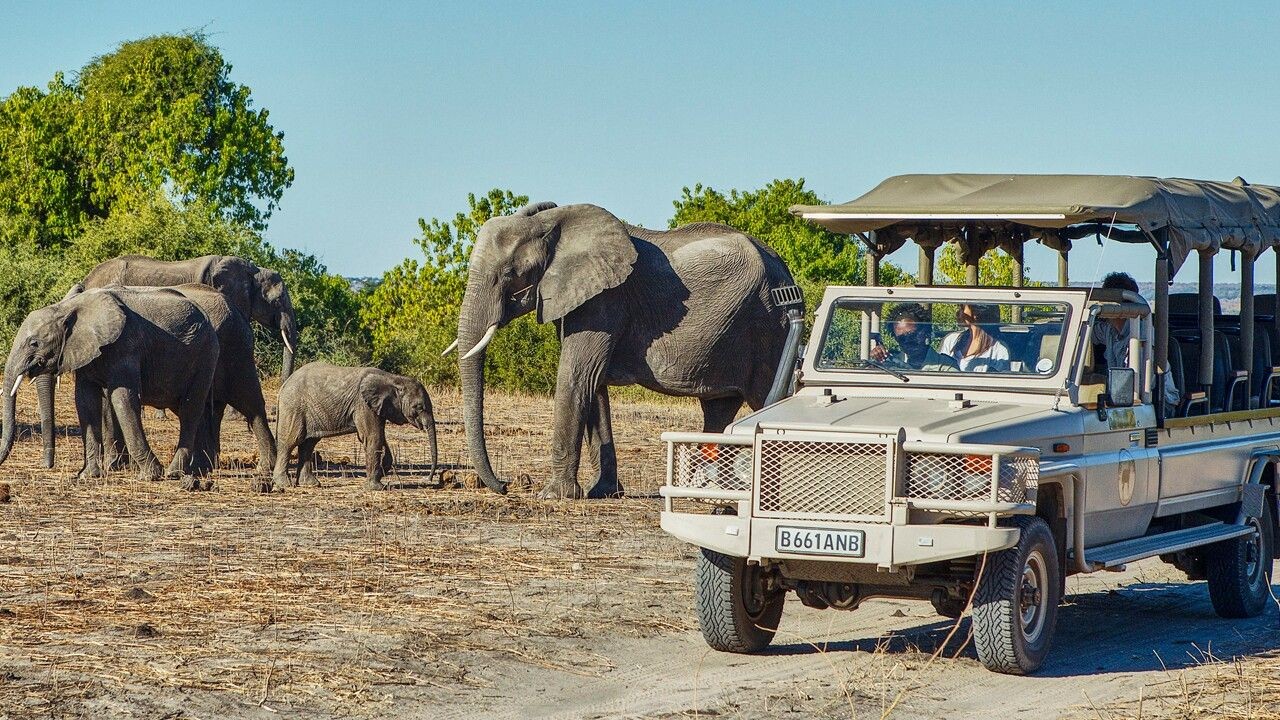
This pressure manifests in several high-risk practices. 'Wildlife sanctuaries' may operate as thinly-veiled captive breeding facilities with inadequate habitats, prioritising photo opportunities over animal welfare. Dolphin and whale watching boats may pursue animals too closely or in excessive numbers, disrupting natural behaviours and causing chronic stress. A 2019 report by the New Zealand Animal Law Association highlighted that our animal welfare legislation, the Animal Welfare Act 1999, has significant enforcement gaps for wildlife in tourism, leaving much to operator discretion.
Case Study: The Global Shift & A Local Crossroads
Problem: Globally, the tide is turning against exploitative wildlife tourism. Major travel platforms like Booking.com and TripAdvisor have implemented policies removing attractions involving direct contact with wild animals (e.g., elephant rides, tiger petting). This reflects a profound shift in consumer sentiment, particularly among younger, ethically-conscious travellers who are a key demographic for New Zealand's future.
Action: Forward-thinking destinations are pivoting. In New Zealand, operators like the Otago Peninsula Trust exemplify the alternative. Their model for viewing the Royal Albatross at Taiaroa Head is strictly regulated, science-led, and minimises disturbance. Revenue is reinvested into conservation and community projects, creating a virtuous cycle.
Result: The Trust reports sustained visitor growth and premium pricing power due to its authentic, conservation-led brand. They demonstrate that high-value, low-impact tourism is not only viable but increasingly demanded. In contrast, operators relying on hands-on encounters face growing reputational risk and potential de-platforming.
Takeaway: Drawing on my experience in the NZ market, the financial future belongs to operators who can verify their ethical credentials. The market is beginning to price in sustainability as a tangible asset, not just a marketing slogan.
Key Actions for Kiwi Operators and Investors
For New Zealand businesses in this space, the path forward requires proactive adaptation. First, conduct an independent audit of all animal interactions against the five freedoms of animal welfare. Second, diversify offerings to highlight ecosystem health and conservation work, not just animal proximity. Third, seek credible certification from bodies like Qualmark's Enviro-Gold programme or the Global Sustainable Tourism Council, which provides verifiable proof to discerning consumers and travel partners.
Future Forecast & Trends: The Rise of Regenerative Tourism
The next decade will see a decisive split in the industry's trajectory. The outdated, extractive model faces mounting headwinds: regulatory tightening, consumer rejection, and investor divestment from ESG (Environmental, Social, and Governance) risks. The optimistic forecast, however, points to the explosive growth of regenerative tourism.
This isn't mere sustainability—it's tourism that actively improves the ecological and social environment it operates within. The data supports this shift. A 2023 MBIE survey found that 74% of international visitors considered New Zealand’s environmental reputation an important factor in their decision to visit. However, the same report notes a vulnerability: any damage to that 'clean, green' perception could significantly impact future arrivals.
Financially, regenerative models unlock new revenue streams:
- Premium Pricing: Ethical experiences command higher margins.
- Brand Resilience: Protecting against 'greenwashing' accusations and consumer backlash.
- Access to Capital: Attracting impact investors and green finance initiatives.
- Long-term Asset Value: Ensuring the natural capital (the wildlife and landscapes) remains viable for generations.
In practice, with NZ-based teams I’ve advised, this means rethinking the balance sheet. A healthy population of native dolphins in the Bay of Islands is a productive asset. Its value is directly tied to respectful, regulated observation. Over-exploitation depreciates that asset, ultimately destroying the business itself.
Data-Driven Report: The Economic Stakes for Aotearoa
Let's ground this in hard numbers. According to Stats NZ, tourism’s direct contribution to GDP was $9.8 billion for the year ended March 2023, on its recovery path. While a definitive figure for wildlife tourism's share is elusive, MBIE estimates that nature-based tourism accounts for a substantial portion. The financial risk of inaction is therefore systemic.
Consider the contrasting economic impacts:
The High-Risk, Extractive Model: Leads to species stress and habitat degradation, which in turn triggers:
- Increased regulatory costs and potential license revocations.
- Loss of brand equity for the operator and, by association, New Zealand Inc.
- Vulnerability to negative social media exposure and consumer boycotts.
- Erosion of the natural capital that underpins the entire sector.
The Regenerative, High-Value Model: Builds natural and social capital, leading to:
- Stronger, more resilient regional economies.
- Enhanced 'brand New Zealand,' supporting premium exports across all sectors.
- Alignment with Crown obligations under the Treaty of Waitangi and conservation acts.
- Creation of skilled jobs in conservation, research, and interpretation.
The Great Debate: Regulation vs. Market Forces
This brings us to a critical industry debate. One side advocates for strict, government-led regulation and enforcement—clear rules, regular inspections, and severe penalties for breaches. The other argues that consumer choice and market forces (like certification schemes) are sufficient to drive change.
The Advocate View (Pro-Regulation): The market has failed to self-correct. Without strong, uniformly enforced standards, rogue operators undermine the entire industry's reputation. The Department of Conservation (DOC) needs more resources for monitoring and enforcement to ensure a level playing field and protect our national brand.
The Critic View (Pro-Market): Over-regulation stifles innovation and burdens compliant operators. Informed tourists, armed with reviews and certification badges, will naturally boycott bad actors, making unethical practices unprofitable. The flexibility of market adaptation is faster than bureaucratic process.
The Middle Ground: A hybrid model is emerging as the most effective. Robust baseline regulations set by government (e.g., mandatory distances for marine mammal viewing) create a firm ethical floor. Superimposed on this are market-driven, premium certifications that allow top-tier operators to differentiate and capture value. This combination protects our national assets while rewarding genuine leadership.
Common Myths, Mistakes, and Costly Assumptions
Navigating this transition requires dispelling dangerous misconceptions.
Myth 1: "If the animals are breeding, they must be happy." Reality: Breeding in captivity is not a reliable welfare indicator. It can be a sign of stress or a result of controlled environments designed for production, not wellbeing. True welfare is measured by natural behaviour, physical health, and absence of chronic stress.
Myth 2: "Our visitors are happy, so we must be doing it right." Reality: Tourist satisfaction is often based on ignorance. A visitor may love a close-up dolphin swim, unaware that the pursuit has fragmented the pod and compromised their feeding. Education is key—happy, informed visitors who witness genuine conservation become powerful brand advocates.
Myth 3: "Sustainable practices are too expensive for small operators." Reality: This is a short-term accounting view. The cost of reputational damage, lost future business, or regulatory sanction far outweighs the investment in ethical operations. Furthermore, sustainable practices often reduce long-term costs (e.g., energy efficiency, waste reduction).
Biggest Mistakes to Avoid
- Treating Wildlife as a Commodity: The core mistake is viewing animals as inventory. Financially, this depreciates your primary asset. The solution is to adopt a natural capital accounting framework.
- Greenwashing: Making vague claims about being "green" or "natural" without verifiable proof. With growing consumer scepticism, this backfires spectacularly. Solution: Obtain independent, recognised certification and be transparent.
- Ignoring the Demographic Shift: Failing to recognise that Millennial and Gen Z travellers prioritise ethics over novelty. Solution: Market your authentic conservation story, not just the encounter.
Final Takeaways: A Call for Conscious Capital
The dark reality behind aspects of New Zealand's wildlife tourism is a story of misaligned incentives and short-term thinking. Yet, the future is exceptionally bright for those who align with the new paradigm. The financial imperative is clear: ethical, regenerative practices are the only sustainable business model.
- Fact: Our 'clean, green' brand is our most valuable economic asset, worth billions in tourism and export premiums.
- Strategy: Shift investment from high-volume, low-value extraction to low-volume, high-value conservation-led experiences.
- Mistake to Avoid: Assuming the status quo is safe. Consumer and regulatory tides are moving faster than many businesses anticipate.
- Pro Tip: For investors, conduct deep due diligence on the animal welfare and conservation practices of any tourism venture. This is now a fundamental measure of operational and reputational risk.
Final Takeaway & Call to Action: The choice for New Zealand is not between economics and ethics. It is between a fragile, declining revenue model and a resilient, value-creating one. As a financial community, we must direct capital towards operators who are stewards, not just suppliers. Ask the hard questions before you invest or promote. Your due diligence is a powerful force for shaping an industry that truly honours Aotearoa's unique taonga (treasures) and secures its prosperity for generations to come.
People Also Ask (FAQ)
How can I tell if a New Zealand wildlife attraction is ethical? Look for independent accreditation like Qualmark Enviro-Gold, transparency about animal sourcing and habitats, a clear conservation mission with reinvestment of profits, and guidelines that prioritise animal distance and natural behaviour over hands-on contact.
What is the biggest financial risk to NZ's wildlife tourism sector? Reputational collapse. If international perception shifts from 'clean, green' to 'exploitative,' the premium pricing power across our entire tourism brand erodes, impacting a $10+ billion GDP contribution. This is a systemic, material risk.
Are there positive examples of wildlife tourism in NZ? Absolutely. Operators like the Otago Peninsula Trust (albatross), the Zealandia eco-sanctuary in Wellington, and the Pohatu Penguins conservation project in Akaroa demonstrate successful models where tourism revenue directly funds conservation and species recovery, creating a sustainable financial loop.
Related Search Queries
- ethical wildlife tourism New Zealand
- New Zealand animal welfare laws tourism
- regenerative tourism business model NZ
- DOC permitted wildlife encounters
- impact of tourism on kiwi populations
- sustainable tourism investment New Zealand
- Qualmark Enviro ratings explained
- best ethical dolphin watching NZ
- greenwashing in NZ tourism industry
- conservation tourism jobs New Zealand
For the full context and strategies on The Dark Reality Behind New Zealand’s Wildlife Tourism Industry – What It Means for Everyday Kiwis, see our main guide: Vidude Vs Instagram Reels New Zealand.