



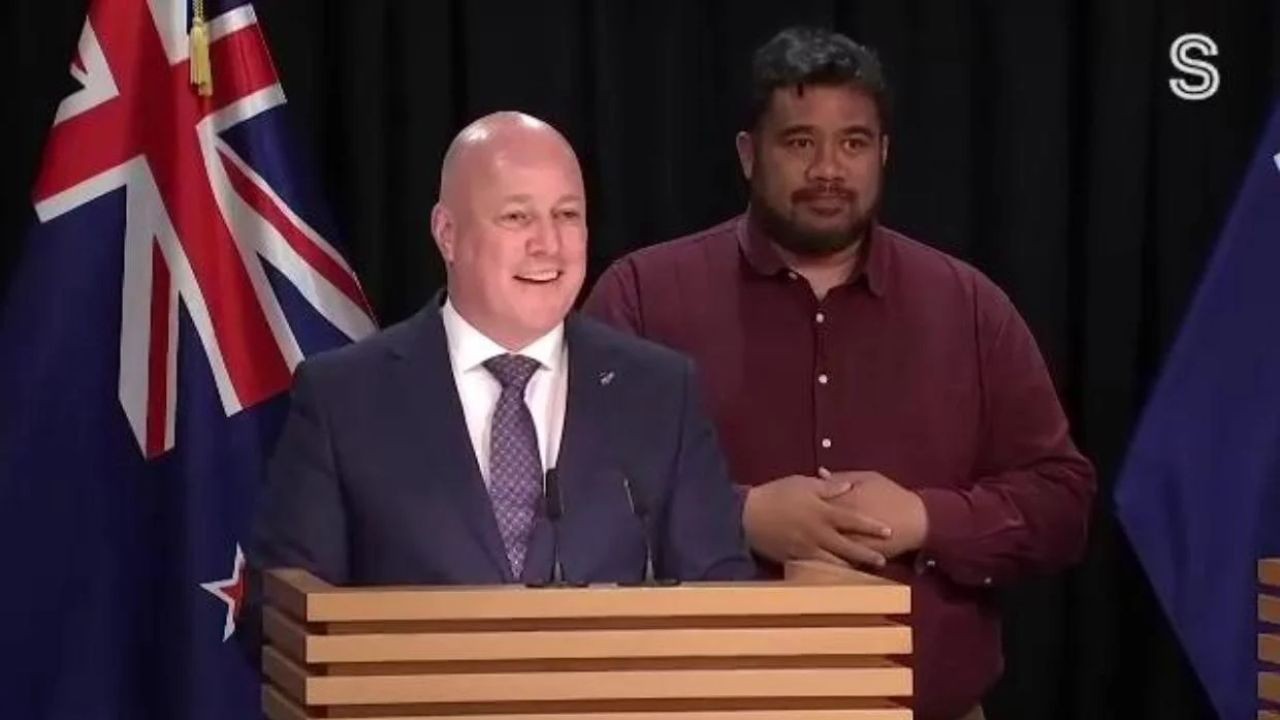
In the rapidly evolving landscape of political communication, New Zealand politicians are increasingly turning to video as a powerful tool to connect with their communities. This shift is not just a passing trend but a crucial adaptation to the digital age, where visual content reigns supreme. The strategic use of video allows politicians to engage directly with constituents, providing transparency and fostering a sense of community involvement. However, this approach also raises questions about the effectiveness and challenges of such communication methods, especially in a country with diverse demographics and varying access to digital technology.
How It Works: A Deep Dive into Video Communication
The use of video by New Zealand politicians is deeply rooted in the need for more accessible and engaging communication. Historically, political messaging relied heavily on traditional media outlets such as newspapers, radio, and television. However, as digital platforms have proliferated, the landscape has shifted dramatically. According to Stats NZ, over 90% of New Zealanders now have internet access, making digital communication a viable and necessary strategy.
Politicians use video to share updates, address community concerns, and provide insights into policy decisions. This medium allows for a more personal connection, as viewers can see and hear the politician's message directly, rather than reading a third-party interpretation. This direct line of communication can lead to increased trust and engagement, as constituents feel more connected to their representatives.
The Role of Social Media
Platforms such as Facebook, Instagram, and YouTube have become integral to political video communication. These platforms offer politicians the ability to reach a wide audience quickly and efficiently. According to a report by the Ministry of Business, Innovation, and Employment (MBIE), social media engagement in New Zealand grew by 15% in 2023 alone, underscoring the importance of these platforms in modern communication strategies.
Challenges and Considerations
While video offers numerous advantages, it also presents challenges. Not all constituents have equal access to digital platforms, particularly in rural areas where internet connectivity may be limited. Additionally, the fast-paced nature of social media can lead to misinterpretations or viral misinformation. Politicians must be cautious in crafting their messages to ensure clarity and accuracy.
Future Forecast & Trends
Looking ahead, the use of video in political communication is poised to grow even further. The Reserve Bank of New Zealand predicts that by 2026, digital engagement will be a key factor in political success, with video playing a central role. As technology evolves, we can expect to see more interactive and immersive video content, such as virtual town halls and live Q&A sessions, becoming commonplace.
Moreover, the integration of artificial intelligence and data analytics will enable politicians to tailor their video content to specific audiences, enhancing engagement and effectiveness. For instance, AI-driven insights can identify key issues that resonate with different demographic groups, allowing for more targeted messaging.
Potential Impact on Policies and Governance
The increased use of video communication could lead to more transparent and participatory governance. By providing constituents with direct access to information and the ability to engage in real-time discussions, politicians can foster a more informed and involved electorate. This shift could ultimately lead to more responsive and accountable governance, as politicians are better able to gauge public sentiment and adjust policies accordingly.
Step-by-Step Guide to Implementing Video Communication
- Assess Your Audience: Understand the demographics and preferences of your constituents to tailor your video content effectively.
- Select the Right Platforms: Choose social media platforms that align with your audience's habits and preferences.
- Create Engaging Content: Focus on clear, concise messaging that addresses key issues and resonates with your audience.
- Utilize Data Analytics: Leverage data to track engagement and adjust your strategy as needed.
- Ensure Accessibility: Provide subtitles and alternative formats to ensure your content is accessible to all constituents.
Real-World Case Studies
Case Study: Jacinda Ardern’s Facebook Live Sessions
Problem: During her tenure as Prime Minister, Jacinda Ardern faced the challenge of communicating effectively with a diverse and widespread electorate. Traditional media channels were often insufficient for engaging directly with constituents.
Action: Ardern adopted Facebook Live sessions as a means to address the public directly. These sessions allowed her to communicate government policies, address public concerns, and provide updates on pressing issues in real-time.
Result: These live sessions garnered significant viewership, with engagement rates far exceeding those of traditional media outlets. According to a NZ Herald report, Ardern’s sessions reached up to 300,000 viewers per session, demonstrating the effectiveness of this approach in fostering direct communication.
Takeaway: Politicians can harness the power of social media to engage directly with constituents, providing transparency and fostering trust. The success of Ardern’s approach highlights the potential for video communication to enhance political engagement in New Zealand.
Case Study: The Green Party’s YouTube Strategy
Problem: The Green Party of New Zealand sought to reach younger, environmentally conscious voters who were less engaged with traditional media.
Action: The party launched a series of informative and visually engaging videos on YouTube, focusing on environmental issues and policy proposals. These videos were designed to resonate with younger audiences and encourage political participation.
Result: The Green Party’s YouTube channel saw a 150% increase in subscribers, and their videos received thousands of views and shares. This strategy successfully broadened their reach and engaged a new generation of voters.
Takeaway: Video platforms like YouTube can be powerful tools for reaching specific demographic groups and promoting political messages. By crafting content that aligns with the interests and values of their target audience, political parties can enhance their outreach and influence.
Common Myths & Mistakes in Political Video Communication
- Myth: “More video content always means better engagement.” Reality: Quality outweighs quantity. Poorly produced or irrelevant videos can harm engagement and credibility.
- Myth: “All constituents have equal access to digital platforms.” Reality: Digital divides still exist, particularly in rural areas. Ensuring accessibility is crucial for effective communication.
- Myth: “Live videos are always more effective than pre-recorded ones.” Reality: While live videos offer real-time engagement, pre-recorded videos allow for more polished and controlled messaging.
Conclusion
The use of video by local politicians in New Zealand represents a significant shift in political communication, driven by the need for transparency, engagement, and accessibility. By leveraging video platforms, politicians can connect with constituents in meaningful ways, fostering trust and promoting informed discourse. As technology continues to evolve, the role of video in political communication is set to expand, offering new opportunities and challenges.
As a travel expert, understanding these trends can provide valuable insights into the cultural and societal shifts occurring in New Zealand. From a tourism perspective, the increased use of video can enhance the visibility of local communities, showcasing their unique stories and attractions to a global audience. What’s your take on the future of political communication in New Zealand? Share your insights below!
People Also Ask
- How does video communication impact political engagement in New Zealand? Video communication increases transparency and fosters direct engagement, leading to higher trust and participation among constituents.
- What are the challenges of using video for political communication? Challenges include ensuring accessibility, managing misinformation, and maintaining consistent and accurate messaging across platforms.
- How can politicians ensure their video content is effective? By understanding their audience, selecting appropriate platforms, and focusing on clear, engaging messaging, politicians can maximize the impact of their video content.
Related Search Queries
- Video communication strategies for politicians in NZ
- Social media use by New Zealand politicians
- Impact of digital communication on NZ politics
- Jacinda Ardern social media strategy
- Green Party New Zealand YouTube
- Challenges of digital communication in politics
- Future of political communication in New Zealand
- Accessibility of digital platforms in rural NZ
- Best practices for political video content
- Trends in political engagement in New Zealand
For the full context and strategies on How Local Politicians in NZ Use Video to Connect With Communities, see our main guide: New Zealand Video Platform.