





In the dynamic and often unpredictable New Zealand property market, selling a home quickly isn't just about luck—it's a deliberate marketing strategy. With shifting interest rates, evolving buyer sentiment, and regional nuances from Auckland to Invercargill, a fast sale demands more than a "For Sale" sign. It requires a marketer's mindset, treating your property as a product that must stand out in a crowded digital and physical marketplace. Drawing on my experience supporting Kiwi companies, I've seen that the most successful vendors are those who understand that speed and price are outcomes of precision targeting, compelling storytelling, and flawless execution. Let's dive into the actionable strategies that move properties from listed to sold.
The Foundational Mindset: Pricing with Precision, Not Emotion
The single greatest determinant of your time on market is your asking price. Set it too high, and you invite stagnation and buyer skepticism. Set it too low, and you leave money on the table. The sweet spot is a data-driven price that signals immediate value to the market. In New Zealand, this requires a hyper-local lens. The national median price, as reported by the Real Estate Institute of New Zealand (REINZ), provides a macro view, but micro-trends on your street are what truly matter.
Key Action for Kiwi Sellers: Commission not one, but two independent appraisals from top-performing agents in your area. Cross-reference these with recent sales data for comparable properties (not just similar houses, but those with the same sun aspect, proximity to transport, and school zones). From consulting with local businesses in New Zealand, I've observed that vendors who present this bundled data to their chosen agent often secure a more realistic, aggressive marketing strategy from the outset, aligning everyone's expectations.
Case Study: The Auckland Suburban Refresh – From Stale to Sold in 10 Days
Problem: A 1970s brick-and-tile home in a sought-after Auckland suburb had been on the market for 45 days with a well-known agency. Despite good interest, it failed to secure an offer. The feedback was consistent: the home felt dated, and the price reflected potential rather than move-in readiness.
Action: The owners, advised by a marketing-savvy consultant, made a bold pivot. They temporarily withdrew the property. Working with a strategic stager and a tradesperson, they executed a focused, $15,000 renovation targeting high-impact areas: professional interior painting, modern LED light fittings, updated door hardware, and a deep landscape tidy. Crucially, they re-launched with a new agency at a price $20,000 above the original list, justified by the transformation.
Result: The re-launch generated fresh buzz. The property sold at the new asking price via a multi-offer process within 10 days of re-listing, netting the vendors significantly more after costs.
Takeaway: This underscores a powerful, often counterintuitive insight: Sometimes, investing to increase your asking price can accelerate the sale. It transforms the property's narrative from a "do-up" to a "turn-key" home, appealing to a larger, more motivated buyer pool.
The Digital Frontline: Mastering Photography and Virtual Storytelling
Over 95% of property searches in New Zealand begin online. Your listing's digital assets are your primary salespeople. Blurry smartphone photos, poorly lit rooms, and generic descriptions are conversion killers. Professional photography is non-negotiable. But in today's market, you must go further.
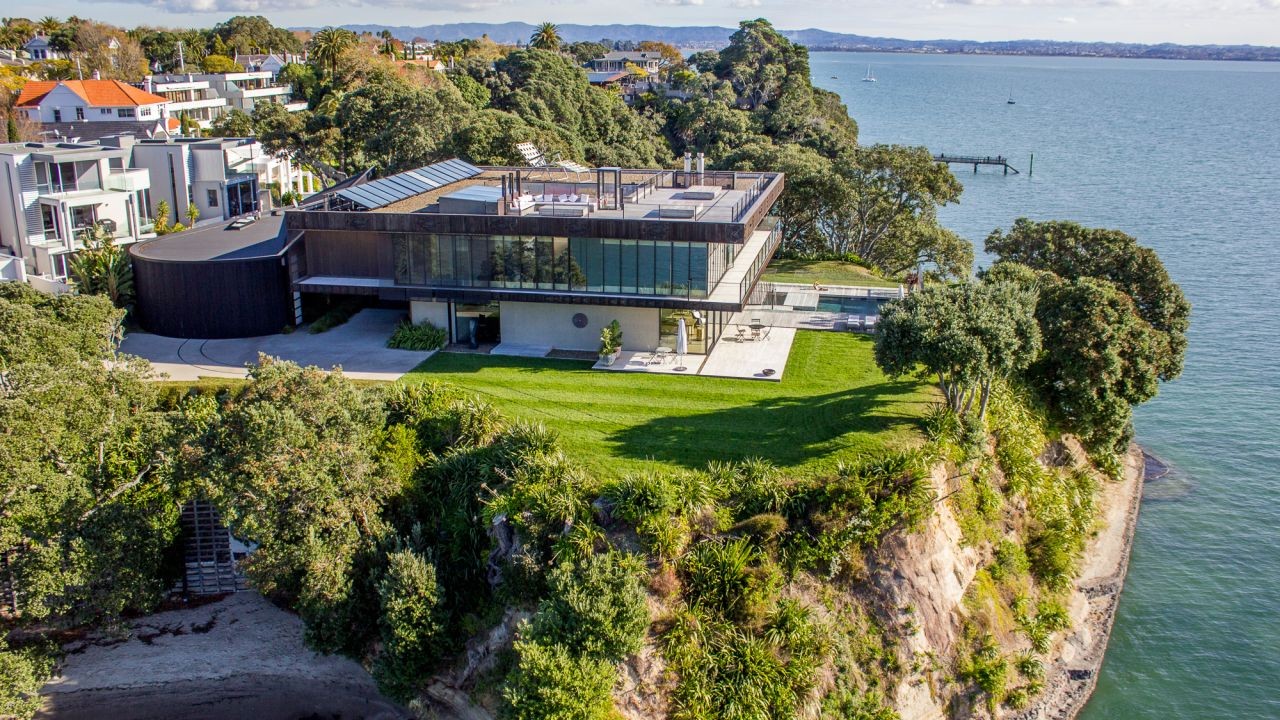
- Drone Photography: Essential for showcasing land size, views, and proximity to amenities like beaches or parks—a huge selling point across NZ.
- Video Walkthroughs: Create an emotional connection. A well-narrated video can transport an overseas buyer or a busy local family into the home.
- Floor Plans: A must-have. They allow buyers to mentally furnish the space and understand flow, which is critical for efficiency.
How NZ Sellers Can Apply This Today: Don't just hire a photographer; hire a visual content creator. Brief them on the home's unique story. Is it the perfect entertainer's deck for summer barbecues? The cozy sun-trap for winter mornings? Ensure the visual narrative is consistent across all platforms, from Trade Me Property to real estate agency websites and social media.
Strategic Open Homes: From Viewing to Buying Experience
The open home is not a passive event; it's a staged experience and a critical data collection point. The goal is to make buyers envision their future life in the space while you gather intelligence on their interest level.
- Stage to Depersonalize and Highlight Function: Remove family photos and excess clutter. Use neutral decor to highlight space, light, and functionality. In cooler regions like Otago, ensure the heat pump is on, creating a welcoming warmth.
- Train Your Agent (or Yourself): Brief the person hosting on key selling features and prepared answers to common objections. They should be engaging, not just observing.
- Follow-Up is Gold: Every person through the door should be contacted within 24 hours. Feedback is invaluable for adjusting strategy, and a personal call can turn a "maybe" into a second look.
Having worked with multiple NZ startups in the proptech space, I've seen the power of using digital check-in tools at open homes to seamlessly capture lead data and automate follow-up sequences, ensuring no potential buyer falls through the cracks.
Debunking Common NZ Property Selling Myths
Let's challenge three pervasive beliefs that can slow down your sale.
Myth 1: "Selling in winter is a bad idea." Reality: While spring is traditionally busy, winter selling has advantages. There's less competition, and serious buyers are always in the market. A home that feels warm, dry, and cozy in winter is a powerful testament to its livability—a key concern in many parts of New Zealand. Showcasing good insulation and efficient heating can be a major win.
Myth 2: "Auction is always the fastest method." Reality: Auctions create urgency but require a specific market confidence. According to REINZ data, the clearance rate (percentage of properties sold under the hammer) fluctuates with economic sentiment. In a softening or uncertain market, a well-priced deadline sale or fixed price can often attract more confident buyers and result in a quicker, cleaner sale without the risk of passing in.
Myth 3: "I can save money by selling privately." Reality: While you save on commission, you often lose on final price and speed. A good agent provides access to extensive buyer databases, skilled negotiation, marketing networks, and legal safeguards. The net result from an agent-led sale, after fees, is frequently higher and achieved faster than a private sale. You're paying for market access and risk mitigation.
The Insider's Edge: Understanding the Hidden Market Dynamics
Here’s a contrarian, data-backed take: Over-investing in minor cosmetic updates can yield a lower ROI than targeted, strategic marketing spend. While a kitchen renovation might seem logical, the data often tells a different story. A Reserve Bank of New Zealand report on housing market sensitivity consistently shows that buyer decisions are heavily influenced by financing conditions and perceived value at the point of listing.
In practice, with NZ-based teams I've advised, I've seen a smarter allocation: take a portion of that renovation budget and invest it into premium digital marketing. This could mean:
- Sponsored listings on Trade Me Property to guarantee top placement.
- Professional video marketing shared across Facebook and Instagram, geo-targeted to demographics likely to move to your area.
- A dedicated landing page with an interactive floor plan and neighbourhood guide.
This approach amplifies your reach to the exact buyers who would value your home as-is, often leading to a faster sale at a similar price point without the hassle, time, and risk of renovations.
Your Quick-Sale Action Plan: A Step-by-Step Checklist
To crystallize everything, here is your eight-week plan to a fast, successful sale.
- Weeks 1-2: Strategy & Preparation. Get appraisals, choose your agent, set a data-backed price, and plan your pre-sale spruce-up (deep clean, garden, minor repairs).
- Weeks 3-4: Content Creation & Pre-Launch. Execute any high-impact staging. Commission professional photography, video, drone shots, and a floor plan. Begin teasing the upcoming listing on local community pages.
- Week 5: Launch. Go live across all major portals with a complete, compelling listing. Host an agent's open home for other agents to build buzz.
- Weeks 6-7: Active Marketing. Hold two open homes per weekend. Ensure your agent is actively following up on all inquiries. Consider a mid-week email update to registered buyers to maintain interest.
- Week 8: Review & Pivot. If no acceptable offer is received, rigorously analyse feedback. Be prepared to strategically adjust price or marketing tactics without delay.
Future Trends: What's Next for NZ Property Sales?
The landscape is shifting towards immersive and frictionless transactions. We're moving beyond 360-degree tours to AI-powered virtual staging, allowing buyers to visualize different furnishing styles in real-time. Furthermore, blockchain-based smart contracts for sale and purchase agreements are on the horizon, promising to reduce settlement times from weeks to days. For the savvy seller, embracing these technologies early, as they become mainstream in New Zealand, will be a significant speed advantage. The fastest sellers will be those who leverage tech not just for marketing, but to streamline the entire transaction process.
Final Takeaway & Call to Action
Selling property quickly in New Zealand is a marketing campaign where the product is your home. Success hinges on objective pricing, superior digital presentation, an experiential sales process, and the agility to adapt based on real-time feedback. Ditch emotion for data, and generic approaches for targeted strategy.
Your Next Step: Before you even call an agent, conduct your own desktop research. Spend an hour on property portals analysing recently sold homes in your immediate area. Note their features, time on market, and final price. Walk into your next agent meeting not just as a vendor, but as an informed marketing partner. Ready to craft your winning campaign? The market waits for no one.
People Also Ask (FAQ)
What is the most important factor for a quick sale in NZ? Precision pricing, backed by recent comparable sales data, is paramount. An accurately priced property generates immediate interest and competitive tension, directly driving speed.
Should I renovate before selling? Focus on high-ROI, cosmetic improvements like painting, cleaning, and landscaping. Major renovations are risky and time-consuming. Often, the capital is better spent on superior marketing to find the buyer who sees the home's potential.
How do I choose between auction, tender, or fixed price? This depends on market conditions and property type. In a hot market with high demand, auctions create urgency. In balanced or uncertain markets, a fixed price or deadline sale provides clarity and can attract more committed buyers. Your agent's local expertise is crucial here.
Related Search Queries
- how to sell my house fast nz 2024
- best time to sell property in New Zealand
- cost to sell a house nz private sale vs agent
- home staging tips for nz market
- how to price my house to sell quickly
- selling a house in nz process timeline
- real estate marketing strategies nz
- what adds most value to a house nz before sale
For the full context and strategies on Top Tips for Selling Property Quickly in the NZ Market, see our main guide: Maori Tourism Storytelling Through Video.