






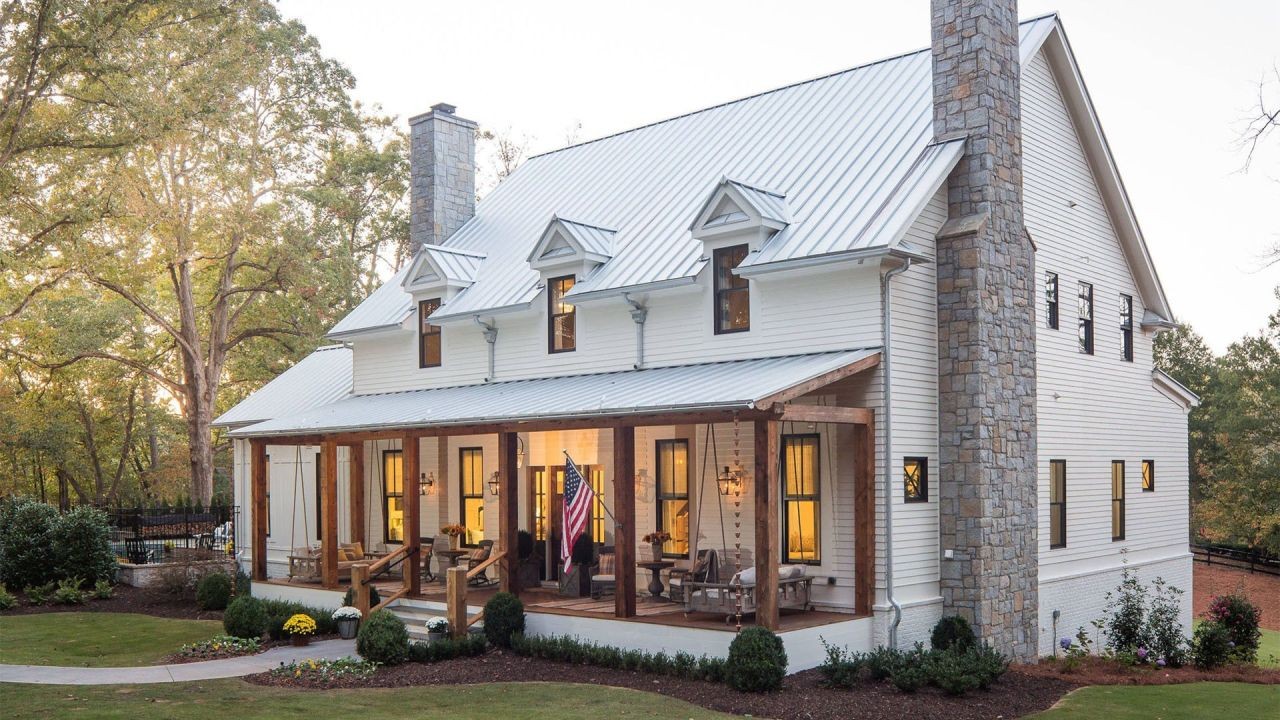
Renovating a farmhouse in rural New Zealand is not just an undertaking of brick and mortar; it is an immersion into the country's rich cultural tapestry and a nod to its agrarian roots. The charm of New Zealand's rural landscape, with its rolling hills and verdant pastures, makes it an ideal location for such a project. Yet, the task is not without its challenges, requiring a delicate balance of preserving historical integrity while integrating modern amenities. In this article, we will explore the intricacies of renovating a farmhouse in rural New Zealand, drawing on historical perspectives, current trends, and expert insights to provide a comprehensive guide for cultural critics and enthusiasts alike.
The Historical Context of New Zealand Farmhouses
New Zealand's architectural landscape has always been a reflection of its diverse cultural influences. From the Georgian and Victorian styles brought by early European settlers to the incorporation of Maori design elements, farmhouses in New Zealand serve as a testament to the country's multicultural heritage. Many farmhouses, built in the late 19th and early 20th centuries, are characterized by their timber structures, corrugated iron roofs, and expansive verandas, which were designed to adapt to the country's unique climate conditions.
Preserving these historical elements is crucial, not only for maintaining the aesthetic integrity of the farmhouse but also for honoring the cultural narratives they embody. According to a study by Heritage New Zealand, properties that maintain their historical features tend to have higher market values and attract more tourism, highlighting the economic benefits of preservation.
Current Trends in Farmhouse Renovation
In recent years, there has been a growing trend towards sustainable building practices in New Zealand. The government's commitment to reducing carbon emissions and promoting energy efficiency is evident in policies such as the Building for Climate Change program. This initiative encourages the use of eco-friendly materials and energy-efficient technologies, which are increasingly being incorporated into farmhouse renovations.
Moreover, the rise of digital nomadism and remote work has led to a surge in demand for rural properties that offer tranquility and connectivity. Many renovators are opting to include modern amenities such as high-speed internet and smart home technologies, transforming these historical farmhouses into contemporary living spaces without compromising their rustic charm.
Step-by-Step Guide to Renovating a Farmhouse
1. Conduct a Thorough Assessment
Before embarking on a renovation project, it is essential to conduct a comprehensive assessment of the property's current condition. This includes evaluating the structural integrity of the building, identifying any areas that require urgent repairs, and understanding the property's historical significance. Engaging with a heritage architect can provide valuable insights into maintaining the farmhouse's original features while ensuring compliance with local building regulations.
2. Plan for Sustainability
Incorporating sustainable practices into your renovation plan is not only environmentally responsible but can also lead to significant cost savings in the long run. Consider using locally sourced materials, installing solar panels, and incorporating rainwater harvesting systems. According to Stats NZ, properties that incorporate sustainable features tend to have lower utility costs and higher resale values.
3. Preserve and Enhance Historical Features
Maintaining the farmhouse's historical elements is crucial in preserving its cultural value. This could involve restoring original woodwork, repairing traditional roofing materials, or retaining original window designs. Consulting with local heritage experts can help ensure that the renovation respects the property's historical context while meeting modern living standards.
Case Study: The Smith Family's Farmhouse Renovation
The Smith family, who own a farmhouse in the Canterbury region, embarked on a renovation project that seamlessly blended historical preservation with modern innovation. Faced with the challenge of a deteriorating structure and outdated amenities, they enlisted the help of a heritage architect to guide their renovation process.
**Problem:** The farmhouse, built in 1890, required significant repairs to its roof and foundation. Additionally, the lack of modern amenities made it unsuitable for contemporary living.
**Action:** The Smiths incorporated sustainable materials, such as recycled timber and eco-friendly insulation, and installed solar panels to enhance energy efficiency. They preserved the original facade and veranda, maintaining the farmhouse's historical charm while integrating modern comforts such as underfloor heating and high-speed internet.
**Result:** The renovation resulted in a 30% increase in the property's market value and significantly reduced energy costs, demonstrating the economic benefits of sustainable renovation practices.
**Takeaway:** This case study highlights the importance of balancing historical preservation with modern innovation in farmhouse renovations. By prioritizing sustainability and engaging with heritage experts, renovators can enhance both the cultural and economic value of their properties.
Common Myths and Mistakes in Farmhouse Renovation
Myth: "Modernizing a farmhouse will decrease its value."
Reality: Renovating with a focus on sustainability and preserving historical features can increase property value by up to 20%, according to a report by the Reserve Bank of New Zealand.
Myth: "Renovations must adhere strictly to historical accuracy."
Reality: While preserving key historical elements is important, integrating modern amenities that improve functionality and efficiency is equally crucial.
Myth: "Farmhouse renovations are too costly for the average homeowner."
Reality: With government incentives and a focus on sustainable practices, farmhouse renovations can be cost-effective and provide long-term savings.
Future Trends in New Zealand Farmhouse Renovations
Looking forward, the future of farmhouse renovations in New Zealand is poised to embrace even more sustainable and technologically advanced practices. As climate change policies tighten and technology evolves, we can expect to see an increase in smart home integrations and energy-efficient designs. Furthermore, the emphasis on preserving New Zealand's cultural heritage will continue to drive the demand for renovations that respect historical integrity while offering modern comforts.
Conclusion and Final Takeaways
- Preservation and Innovation: Balancing historical preservation with modern innovation is key to successful farmhouse renovations.
- Sustainability is Essential: Incorporating sustainable practices can enhance both the environmental and economic value of a property.
- Engage with Experts: Consulting with heritage architects and sustainability experts can provide valuable guidance throughout the renovation process.
- Government Support: Take advantage of government incentives aimed at promoting sustainable building practices.
Embarking on a farmhouse renovation in rural New Zealand is a rewarding journey that combines cultural heritage with modern living. By prioritizing sustainability and preserving historical features, renovators can create a harmonious blend of the past and present, ensuring that these iconic structures remain a cherished part of New Zealand's landscape for generations to come. What are your thoughts on the future of farmhouse renovations in New Zealand? Share your insights below!
People Also Ask (FAQ)
- How does renovating a farmhouse impact property value in New Zealand?Renovating with a focus on sustainability and historical preservation can increase property value by up to 20%, according to the Reserve Bank of New Zealand.
- What are the biggest misconceptions about farmhouse renovations?One common myth is that modernizing decreases value. However, careful integration of modern amenities can enhance both functionality and value, as supported by industry reports.
- What are the best strategies for implementing farmhouse renovations in New Zealand?Experts recommend starting with a thorough property assessment, planning for sustainability, and engaging with heritage architects to ensure historical features are preserved.
Related Search Queries
- Farmhouse renovation ideas NZ
- Sustainable building practices in New Zealand
- Historical preservation techniques
- Eco-friendly home renovation tips
- Heritage architect New Zealand
- Modern farmhouse design trends
- Government incentives for sustainable housing NZ
- Smart home technology integration
For the full context and strategies on How to Renovate a Farmhouse in Rural New Zealand, see our main guide: Construction Safety Training Nz.