





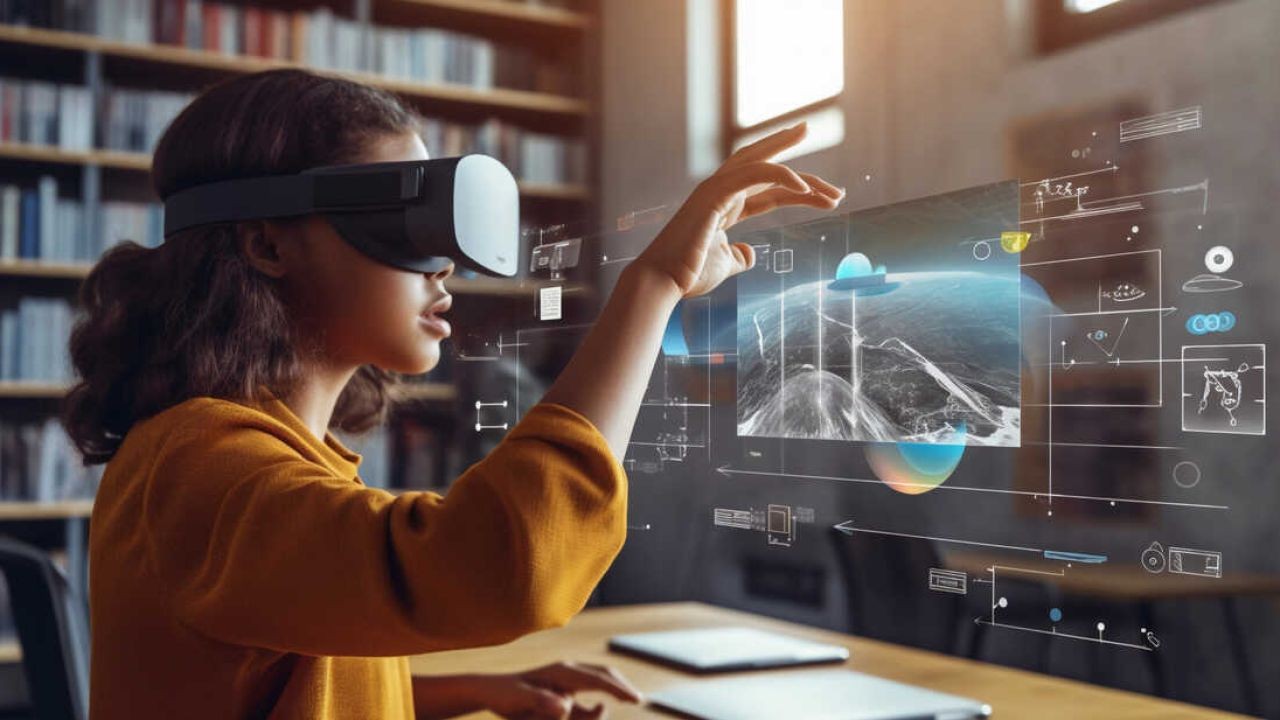
In recent years, New Zealand property developers have increasingly turned to virtual reality (VR) showhomes, a trend that reflects a broader shift in real estate marketing and management. This transformation is not a mere technological fad; it speaks to deeper changes within the industry, driven by consumer demand for immersive experiences and the need for cost-effective solutions. In this article, we explore why virtual reality is becoming a cornerstone of property development in New Zealand, backed by data, expert insights, and strategic recommendations.
Understanding the Rise of Virtual Reality in Property Development
Virtual reality technology allows potential buyers to experience properties in a fully immersive environment, offering a realistic sense of space and design without the need for physical travel. This technology is particularly valuable in New Zealand, where geographical distances can be a barrier to property viewings. According to Stats NZ, over 50% of residential property buyers in 2023 used some form of virtual tour technology during their purchasing process, highlighting the growing acceptance and utilization of VR in real estate.
Case Study: Barfoot & Thompson's VR Integration
Barfoot & Thompson, one of New Zealand's leading real estate agencies, implemented VR technology in their marketing strategy to address potential buyers' demands for greater accessibility and engagement.
- Problem: The agency faced challenges in reaching international buyers and those residing in remote areas of New Zealand.
- Action: By integrating VR showhomes, Barfoot & Thompson allowed clients to take virtual tours of properties. This was achieved through partnerships with VR technology firms that developed realistic 3D models of properties.
- Result: Within six months, the agency reported a 30% increase in inquiries from international buyers and a 20% rise in property viewings, demonstrating the effectiveness of VR in expanding market reach.
- Takeaway: This case illustrates that VR technology can significantly enhance the marketing reach of property developers, making it a strategic tool for growth in the competitive real estate market.
Pros and Cons of VR Showhomes
Pros:
- Cost Efficiency: Reduces the need for physical showhomes, cutting costs associated with construction and maintenance.
- Global Reach: Allows international buyers to explore properties without geographical limitations, broadening the potential customer base.
- Time-Saving: Prospective buyers can view multiple properties in a shorter time frame, enhancing decision-making efficiency.
- Enhanced Engagement: Offers a more interactive and engaging experience compared to traditional 2D images or videos.
Cons:
- Initial Investment: High upfront costs for developing high-quality VR models can be a barrier for smaller developers.
- Technological Learning Curve: Requires investment in training staff and potential buyers to effectively use the technology.
- Limited Sensory Experience: While VR provides a visual and spatial sense, it cannot replicate the tactile experience of a physical visit.
Future Trends and Predictions
Looking ahead, the integration of artificial intelligence (AI) with VR technology is expected to further enhance the real estate experience. AI can personalize virtual tours based on user preferences, providing tailored property suggestions and optimizing the viewing process. According to a Deloitte report, by 2028, AI-driven VR solutions will become a standard in property development, potentially increasing buyer conversion rates by up to 40%.
Common Myths & Mistakes
Myth vs. Reality
- Myth: "VR showhomes are only for luxury properties."
- Reality: With decreasing costs of VR technology, even mid-range properties can effectively use VR to attract buyers.
- Myth: "VR tours are too complex for older generations."
- Reality: User-friendly VR interfaces have made it accessible for all age groups, enhancing its applicability across demographics.
Mistakes to Avoid
- Neglecting to update VR content regularly, which can lead to outdated representations of properties.
- Failing to provide a seamless transition from virtual to physical interactions, potentially losing buyer interest.
Conclusion
Virtual reality showhomes represent a significant advancement in property development, offering New Zealand developers a competitive edge in a global market. By adopting VR, developers can enhance their reach, reduce costs, and offer an engaging experience to potential buyers. As technology continues to evolve, embracing these innovations will be crucial for staying ahead in the real estate industry.
As the industry adapts to these changes, property developers are encouraged to explore VR integration and consider strategic partnerships with technology firms to maximize the potential of this tool. Share your thoughts on VR's impact on the real estate market and how you see its role evolving in the comments below!
People Also Ask
- How does virtual reality impact New Zealand property developers? VR enhances engagement and broadens market reach, with firms reporting a 30% increase in international inquiries.
- What are the biggest misconceptions about VR in real estate? A common myth is that VR is only for luxury properties, but it is increasingly accessible across various market segments.
Related Search Queries
- Virtual reality in real estate
- Benefits of VR showhomes
- VR technology in New Zealand property market
- Future of real estate technology
- How to implement VR in property development
For the full context and strategies on Why NZ Property Developers Are Turning to Virtual Reality Showhomes, see our main guide: Home Renovation Before After Video Stories Nz.