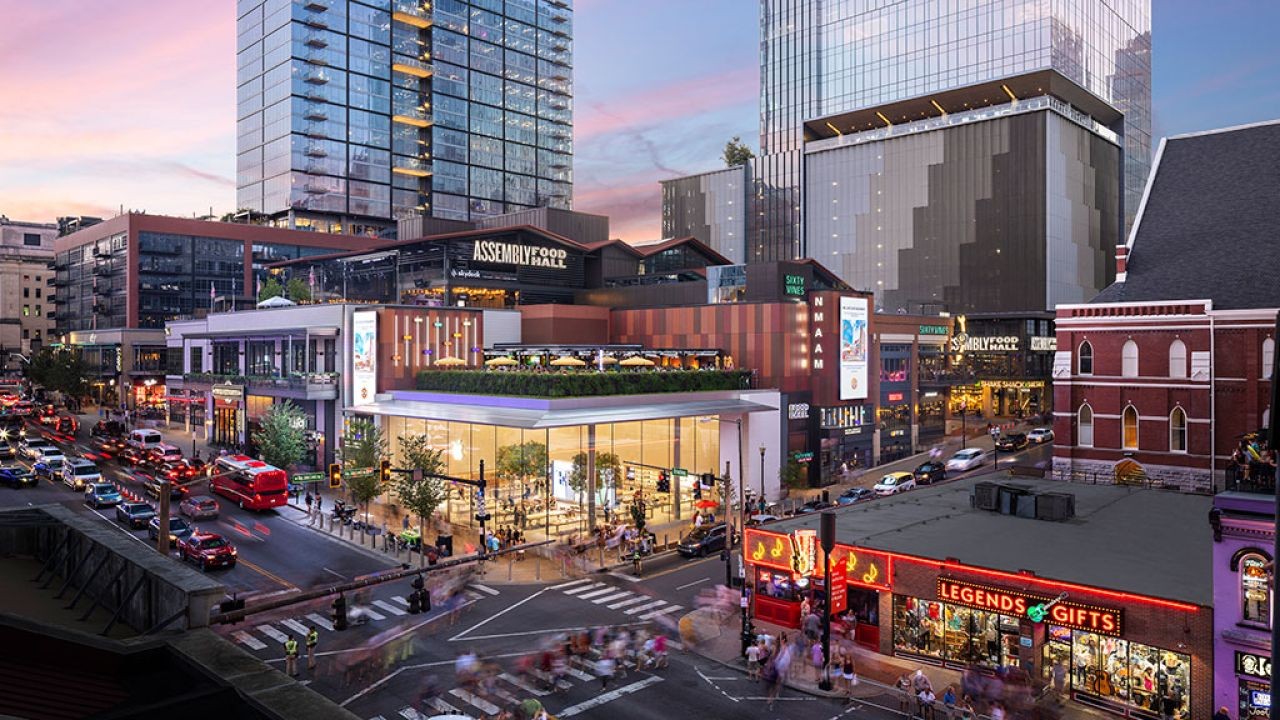






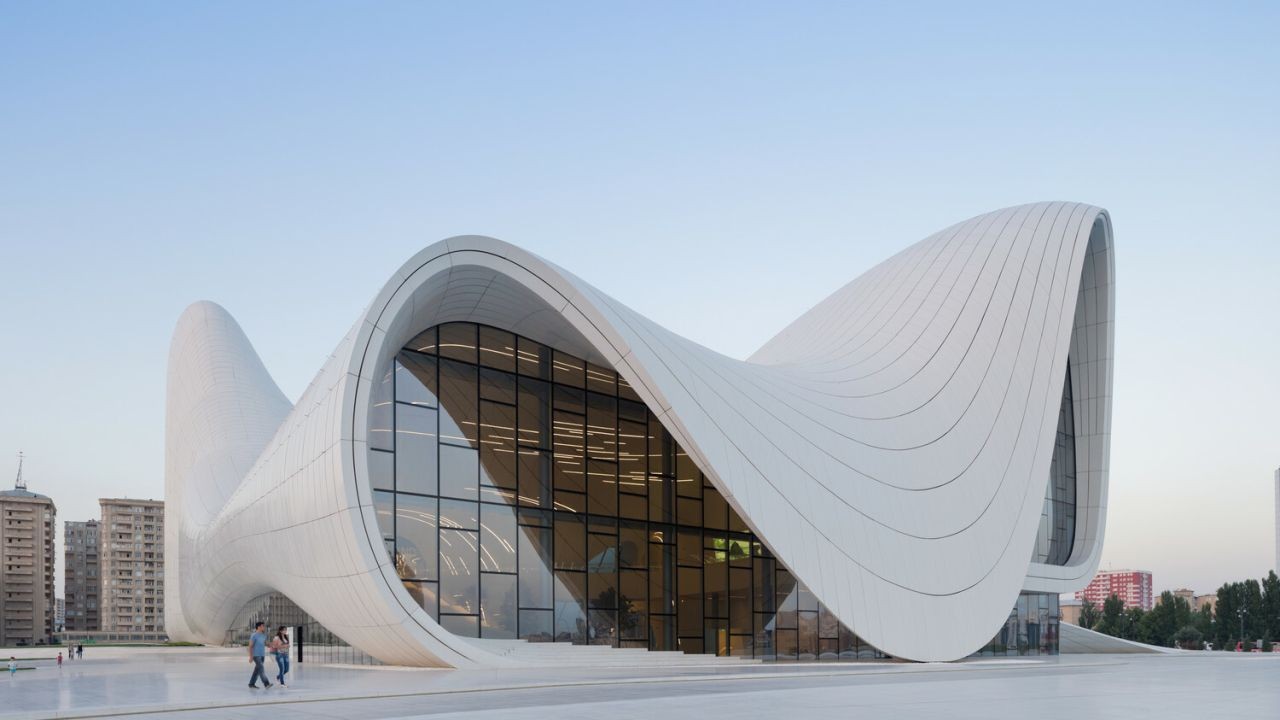
Imagine a cityscape where buildings breathe, adapt, and generate more energy than they consume. Where construction sites are quiet, prefabricated modules slotting together with robotic precision, and where the very materials used are grown, not mined. This isn't a distant utopian fantasy; it's the tangible, data-driven future of modern architecture taking shape right here in Aotearoa. Driven by a potent convergence of climate imperatives, technological leaps, and a profound cultural shift towards well-being, New Zealand's built environment is on the cusp of its most significant transformation in a century. For policy analysts, understanding these converging trends is not academic—it's essential for crafting the regulatory frameworks, investment incentives, and urban strategies that will determine whether our cities become resilient assets or costly liabilities.
The Converging Forces Reshaping Our Skyline
Three powerful, interconnected drivers are setting the agenda for the next decade of New Zealand architecture. First, the regulatory and moral imperative of climate action is paramount. The construction and operation of buildings account for approximately 20% of New Zealand's gross carbon emissions, according to MBIE's Building for Climate Change programme. This isn't a nebulous global statistic; it's a direct contributor to our local climate challenges. Second, the acute and persistent housing crisis demands a revolution in build methodology, not just incremental increases in volume. We need to build smarter, faster, and more affordably. Third, a post-pandemic societal focus on health and community is reshaping client briefs, moving beyond square metreage to metrics of air quality, biophilic connection, and social cohesion.
Drawing on my experience supporting Kiwi companies in the construction tech sector, I've observed a fascinating tension. While the ambition for sustainable, beautiful buildings is high, the industry's fragmentation and risk-averse nature often slow systemic adoption. The most successful projects I've advised on are those where the developer, architect, and builder engage from day one under a shared, performance-based contract—moving away from the traditional, adversarial lowest-cost tender model. This collaborative mindset is the bedrock upon which all future trends will be built.
Key Actions for Policy Makers
- Accelerate the Building for Climate Change Framework: Move beyond consultation to firm, staged timelines for whole-of-life carbon caps for new buildings, creating market certainty for low-carbon innovation.
- Incentivise Industrialisation: Develop specific procurement policies for government projects that favour off-site manufacturing (DfMA), helping to de-risk and scale this crucial sector.
- Fund Data Infrastructure: Support the creation of a national, anonymised building performance database to turn design intent into verified, real-world outcomes.
Deep Dive: The Triad of Future-Proof Design
The architecture of tomorrow will be defined by a holistic triad: Carbon Positive performance, Human-Centric intelligence, and a Bio-Digital materiality. Let's dissect each pillar with a policy lens.
1. Carbon Positive & Circular by Design
The goal is shifting from 'less bad' to 'net positive'. This means buildings that, over their lifecycle, store more carbon than they emit and generate surplus renewable energy. The tool enabling this is sophisticated Whole-of-Life Carbon Assessment (WLCA) software, now integrated into BIM (Building Information Modelling) platforms. From consulting with local businesses in New Zealand, I've seen pioneers like Warren and Mahoney use these tools to compare, for instance, the carbon footprint of a concrete floor slab versus a mass timber alternative in real-time, factoring in everything from embodied carbon in materials to end-of-life deconstruction.
The circular economy moves from theory to practice. Policies must evolve to view buildings as "material banks." This requires a radical overhaul of building codes and waste levies to favour designs for disassembly and the use of certified, reusable components. The recent success of the NZGBC's Homestar and Green Star ratings shows the market responds to clear benchmarks. The next step is embedding circularity principles directly into the NZ Building Code.
2. Human-Centric & Adaptive Intelligence
Well-being is becoming quantifiable. Sensors now monitor indoor air quality (CO2, VOCs), light levels, acoustics, and thermal comfort in real-time. This data doesn't just trigger a HVAC system; it feeds into machine learning algorithms that learn occupancy patterns and optimise the building's performance for both energy efficiency and human health. Imagine a school where the environment subtly adapts to enhance concentration, or an office that knows which spaces need fresh air circulation based on actual use, not a static schedule.
For policy, this raises crucial questions about data ownership, privacy, and cybersecurity. Who owns the performance data from a publicly funded school? How do we ensure smart buildings don't become surveillance tools? A proactive regulatory framework is needed to establish trust and standards for this Internet of Places.
3. Bio-Digital Materiality
The material palette is undergoing a biological and digital revolution. Engineered timber, like Cross-Laminated Timber (CLT) and Glulam, is just the beginning. We're seeing rapid advancement in mycelium-based insulation, algae-grown bioplastics for cladding, and self-healing concrete. Digitally, 3D printing with localised, low-carbon materials (like soil composites) is moving from prototypes to viable solutions for specific building elements.
Having worked with multiple NZ startups in this space, the largest barrier isn't R&D, but scaling and certification. Our regulatory system, built for static, industrial-era materials, struggles to assess the safety and durability of these dynamic, bio-based alternatives. Policy must create agile, performance-based pathways to market for certified sustainable materials, potentially through a fast-tracked "sandbox" approval process run in partnership with BRANZ.
Case Study: The Forté Living Tower – A Data-Backed Pioneer
While global examples abound, New Zealand already has its own landmark case study that proves the viability and benefits of this future-focused approach.
Problem: In the early 2010s, the development team for what would become the Forté Living tower in Melbourne (using NZ-grown materials and expertise) sought to prove that high-rise living could be sustainable, healthy, and commercially successful. The challenge was overcoming perceived risks around structural performance, fire safety, and cost for a then-novel material in tall buildings: mass timber.
Action: The team, including NZ forest managers, opted for a hybrid structure. The building utilised Prefabricated Cross-Laminated Timber (CLT) panels for the floors and walls, sourced from sustainable NZ Radiata Pine plantations. This was combined with a central concrete core for stability. Every panel was digitally fabricated off-site, arriving on-site with pre-cut openings for services. The design prioritised natural light, ventilation, and biophilic elements.
Result: The outcomes were transformative and measurable:
- Construction Speed & Safety: The prefabricated timber structure was erected at a rate of one floor every five days, with a 70% reduction in construction traffic and a significantly safer, quieter site.
- Carbon Sequestration: The building stores approximately 1,450 tonnes of carbon within its structure, equivalent to taking 345 cars off the road for a year.
- Commercial Proof: Apartments sold at a premium, demonstrating market demand for sustainable, well-designed homes, and the project paved the way for changes to the Australian Building Code regarding timber construction.
Takeaway for NZ Policy: The Forté tower is not just a building; it's a proof-of-concept for a vertically integrated, value-added forestry and construction pipeline. It highlights the need for policy that actively de-risks first-mover projects through partnerships, supports R&D in timber engineering, and updates our own codes to embrace the latest international research on tall timber safety. The economic opportunity for our regions is immense.
Pros vs. Cons: The High-Performance Building Debate
As with any paradigm shift, the transition to next-generation architecture is met with robust debate. Let's analyse the core arguments.
✅ The Advocates' Perspective (Pros)
- Long-Term Economic & Environmental ROI: While upfront costs can be 5-15% higher, operational savings on energy, water, and maintenance typically deliver a positive lifecycle cost within 7-10 years. They mitigate future carbon tax risks and enhance asset resilience.
- Enhanced Human Productivity & Health: Studies, including those by the World Green Building Council, correlate green-certified spaces with up to 15% improved cognitive function, 11% higher productivity, and reduced sick leave. For businesses and schools, this translates directly to the bottom line and social outcomes.
- Future-Proofing & Market Differentiation: Buildings designed to the old standard risk becoming stranded assets. High-performance buildings attract premium tenants, secure better finance (via green loans), and align with the ESG (Environmental, Social, and Governance) mandates of large corporates and government.
- Industrialisation Efficiency: Off-site manufacturing (DfMA) reduces construction time by up to 50%, cuts waste by over 30%, and improves quality control, directly addressing labour shortages and build quality issues.
❌ The Critics' Perspective (Cons)
- Higher Initial Capital Cost: The premium for advanced materials, integrated technology, and specialised design expertise remains a significant barrier, particularly for small-scale developers and in a high-interest-rate environment.
- Complexity & Skills Gap: These buildings are complex systems requiring integrated design and specialised trades. New Zealand faces a acute shortage of professionals skilled in BIM management, building physics, and circular economy principles.
- Performance Gap Risk: A building's designed energy use can be 2-3 times lower than its actual operational use due to occupant behaviour and poor commissioning. Without robust post-occupancy evaluation and feedback loops, the promised savings can evaporate.
- Regulatory Uncertainty & Inertia: The pace of technological innovation outstrips the speed of building code updates. This creates a "valley of death" where innovators struggle to get new products and methods approved, stifling local industry.
⚖️ The Middle Ground: A Phased, Evidence-Based Pathway
The solution lies not in an overnight revolution but in a managed, evidence-based transition. Policy should create a clear, escalating trajectory of performance standards (e.g., tightening carbon caps every 3 years), giving industry certainty to invest. Simultaneously, government must be the lead client, using its own procurement power to build a pipeline of projects that de-risk new methods and train the workforce. Subsidies should target the performance gap—funding independent post-occupancy evaluations to turn real-world data into better future designs.
Common Myths & Costly Mistakes to Avoid
Progress is often hindered by persistent misconceptions. Let's debunk three critical myths relevant to the NZ context.
Myth 1: "Sustainable building is all about adding solar panels and recycling bins." Reality: This is a classic case of focusing on the visible "tech" while ignoring the fundamental design. The most significant carbon impact is locked in during the first 1% of the design process—the building's form, orientation, and material selection. A poorly oriented, glass-clad box with high embodied carbon materials cannot be saved by a rooftop solar array. The focus must be on passive design first, then efficient systems, then renewables.
Myth 2: "Prefabrication and standardisation will kill architectural creativity and result in boring, identical buildings." Reality: Industrialisation liberates creativity, it doesn't constrain it. It shifts creative effort from solving repetitive construction details on-site to designing intelligent, flexible component systems in the factory. Think of it like a high-quality Lego set: the components are standardised, but the architectural outcomes—from the modular, sculptural beauty of the Christchurch Justice and Emergency Services Precinct to bespoke homes—can be breathtakingly diverse and site-specific.
Myth 3: "The market will drive this change; regulation just increases costs." Reality: The market is driven by short-term development cycles and lowest capital cost. Without clear, mandatory standards, a classic "race to the bottom" occurs, where forward-thinking developers are undercut by those externalising environmental and long-term maintenance costs. Strong, predictable regulation (like the vehicle emissions standards) creates a level playing field, drives innovation, and protects all New Zealanders from the future costs of poor-quality, inefficient buildings.
Biggest Policy Mistakes to Avoid
- Setting Vague, Non-Binding Targets: Aspirational statements without enforceable mechanisms and timelines are worse than useless—they breed cynicism and delay investment.
- Piecemeal, Siloed Interventions: Tackling building emissions in isolation from transport planning (e.g., enabling dense, walkable neighbourhoods) or the waste levy system (e.g., penalising demolition) is inefficient and misses systemic synergies.
- Ignoring the Existing Building Stock: While new buildings must lead, over 80% of the buildings that will exist in 2050 are already built. Policy must urgently address the costly, complex retrofit challenge with tailored finance and support mechanisms.
The Future Forecast: A 2030 Snapshot of NZ Architecture
Based on current trajectories and industry data, here is a bold, specific forecast for the end of this decade:
- By 2030, 40% of all new multi-unit residential and commercial buildings in major NZ cities will be primarily constructed using prefabricated mass timber or other bio-based materials, driven by a carbon price of ~$150/tonne and code mandates (Source: Synthesis of MBIE forecasts & NZ Timber Design Centre projections).
- Digital Twins (live, dynamic digital models of physical buildings) will be mandatory for all public buildings and large-scale developments. These will be used for real-time performance optimisation, predictive maintenance, and seamless facility management, reducing operational costs by an average of 25%.
- "Nature-Positive" certification will surpass basic sustainability ratings. Developments will be required to demonstrate a net gain in local biodiversity, integrating green roofs, water-sensitive urban design, and habitat corridors as standard practice, aligning with the goals of the National Policy Statement for Indigenous Biodiversity.
- The role of the architect will evolve into that of a "Systems Integrator," orchestrating inputs from climate scientists, data analysts, ecologists, and community stakeholders to deliver holistic place-based outcomes, not just structures.
Final Takeaways & Call to Action
The future of modern architecture in New Zealand is a story we are writing now. It is a narrative defined not by a single technology, but by a fundamental re-alignment of our values: from extraction to regeneration, from cost to value, and from object-making to place-making. The data, the case studies, and the economic logic are unequivocal. The path forward requires courageous, coordinated policy that provides clarity, shares risk, and invests in our people and our planet.
Your Next Move as a Policy Analyst:
- Audit for Systemic Alignment: Review your agency's policies—from procurement and infrastructure to waste and biodiversity—through the lens of the built environment. Where do they conflict? Where could they create powerful synergies?
- Champion a "Living Lab" Project: Identify one upcoming public development to be a national exemplar. Mandate it to achieve the highest standards of carbon positivity, circularity, and well-being, and fund a rigorous, public-facing post-occupancy evaluation to build the local evidence base.
- Engage the Ecosystem: Convene not just the usual industry bodies, but also the material scientists, tech startups, iwi partners, and community housing advocates. The most innovative solutions will come from these cross-disciplinary intersections.
The question is no longer what the future of architecture looks like, but how quickly and inclusively we can build it. The blueprint is drawn. The tools are ready. Let's get to work.
People Also Ask (PAA)
How will modern architecture trends impact housing affordability in New Zealand? Initially, they may add a small premium, but long-term they are essential for affordability. Industrialised construction (DfMA) drastically reduces time and waste, lowering financing and labour costs. More importantly, high-performance buildings have drastically lower operating costs for heating and cooling, protecting occupants from energy poverty—a critical factor in true affordability.
What is the biggest regulatory hurdle for sustainable architecture in NZ? The single biggest hurdle is the prescriptive, rather than performance-based, nature of parts of the NZ Building Code. It often specifies how to build (e.g., with specific materials) rather than the outcome required (e.g., a carbon footprint limit). This stifles innovation in new materials and methods. Moving to more outcome-focused codes, as MBIE is exploring, is vital.
Can New Zealand's existing building stock be retrofitted to these new standards? Yes, but it is our greatest challenge. Piecemeal retrofits are costly and disruptive. The most effective strategy is "deep retrofit" at natural renewal points (e.g., re-cladding, major renovation). Policy must develop scalable solutions like "PACE" financing (Property Assessed Clean Energy), where upgrade costs are attached to the property, not the owner, and repaid via rates.
Related Search Queries
- NZ Building for Climate Change programme 2024 update
- Mass timber construction New Zealand code
- Cost of prefabricated homes NZ 2024
- Whole of life carbon assessment software
- Circular economy building materials NZ
- Indoor air quality standards NZ building code
- Digital Twin technology construction NZ
- Biophilic design examples New Zealand
- Retrofitting old homes for energy efficiency NZ
- Green building finance loans New Zealand
For the full context and strategies on What’s Next for Modern Architecture in New Zealand? – Is It Worth the Hype for Kiwis?, see our main guide: Nz Financial Education Future Marketing.