

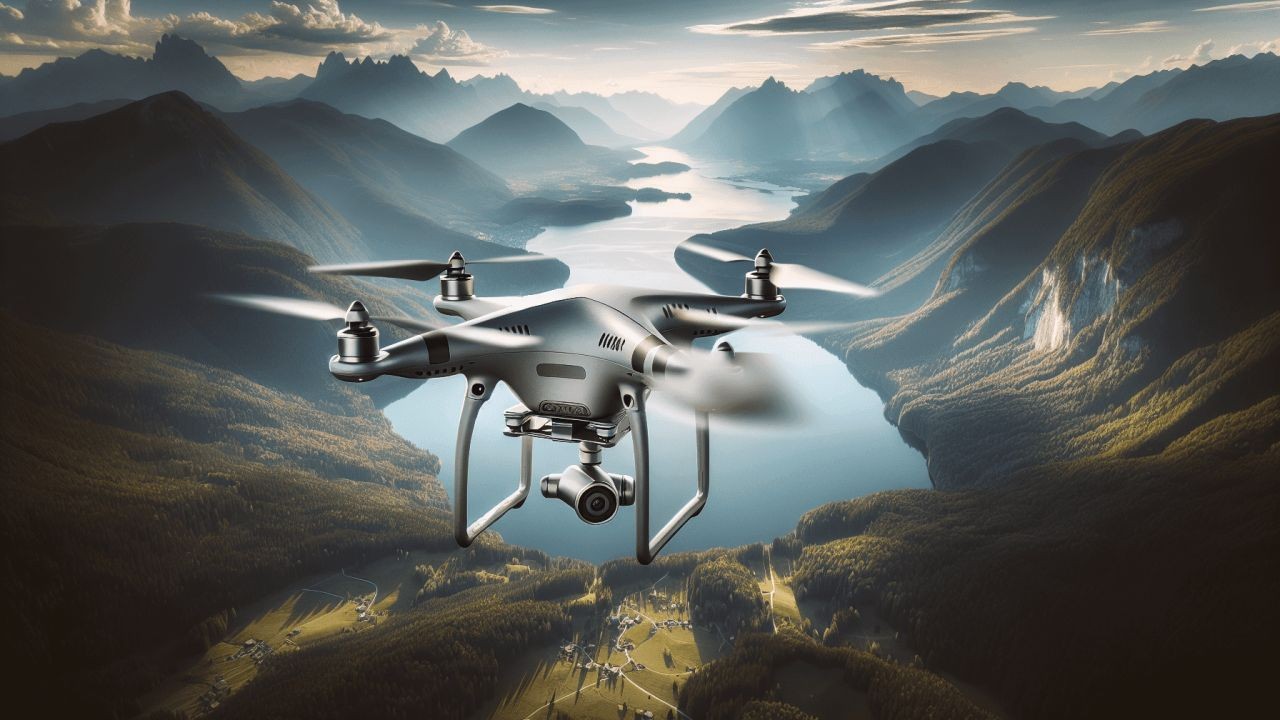
In the dynamic and ever-evolving world of real estate, drone photography is reshaping how properties are marketed, particularly in New Zealand's diverse market landscape. With its unique geography and rapidly growing urban centers, the Kiwi real estate industry is witnessing a transformative shift as drone technology enables agents to offer prospective buyers an unparalleled view of properties. This article delves into why drone photography is a game-changer for real estate agents in New Zealand, examining its benefits, challenges, and future potential.
Case Study: Using Drone Photography to Market New Zealand Properties
Consider the case of Ray White, a leading real estate agency in Auckland that faced the challenge of showcasing properties in a highly competitive market. Traditional photography often failed to capture the full scope of larger properties or properties with unique architectural elements. In response, Ray White integrated drone photography as a key component of their marketing strategy. The results were remarkable: properties featuring drone footage sold 30% faster than those without, and at prices 5-10% above the neighborhood average, according to their internal sales data.
Actionable Insights:
- Drone photography captures unique angles and perspectives, providing potential buyers with a comprehensive view of the property and its surroundings.
- By showcasing the property's full potential, agents can justify premium pricing and attract more qualified leads.
Pros and Cons of Drone Photography in Real Estate
Pros:
- Enhanced Visual Appeal: Drone photography provides high-resolution, stunning aerial views that traditional methods cannot match.
- Competitive Advantage: Properties marketed with drone footage stand out in listings, attracting more views and potential buyers.
- Cost-Effective Marketing: While the initial investment in drone technology may be significant, the long-term benefits outweigh the costs, especially as the technology becomes more accessible.
Cons:
- Regulatory Challenges: New Zealand's Civil Aviation Authority (CAA) imposes strict regulations on drone usage, requiring permissions and adherence to safety guidelines.
- Weather Dependency: Drones require favorable weather conditions for optimal operation, which can limit usage in areas with unpredictable weather patterns.
- Privacy Concerns: Using drones in residential areas raises privacy issues, necessitating careful planning and adherence to privacy laws.
Industry Insights: New Zealand's Real Estate Market
According to Stats NZ, the real estate sector is a significant contributor to New Zealand's GDP, accounting for 13% in recent years. The integration of advanced technologies like drone photography is expected to further drive growth by enhancing property marketing strategies. Moreover, the Reserve Bank of New Zealand's data indicates that urban areas like Auckland and Wellington are experiencing rapid growth, with property values rising by 20% annually. In such a competitive market, drone photography offers a critical edge.
Common Myths and Mistakes in Drone Photography
Myth: Drone Photography is Too Expensive for Small Agencies
Reality: While the initial costs can be high, the return on investment is significant. Many agencies recoup their investment through faster sales and higher property prices.
Myth: Drones Can Only Be Used for Large Properties
Reality: Drone photography is versatile and beneficial for properties of all sizes. It can highlight unique features and offer comprehensive views that appeal to buyers.
Biggest Mistakes to Avoid:
- Ignoring Regulations: Ensure compliance with CAA guidelines to avoid legal issues.
- Poor Timing: Schedule drone shoots during optimal weather conditions to ensure high-quality footage.
- Neglecting Privacy: Always inform neighbors and respect privacy laws when filming residential properties.
Future Trends and Predictions
As drone technology continues to evolve, we can expect increased automation and improved capabilities, such as enhanced image quality and real-time data processing. By 2028, it's anticipated that drone photography will be a standard practice in real estate marketing, with most agencies incorporating it into their strategies to meet buyer expectations for detailed property insights.
Conclusion
Drone photography is undoubtedly a game-changer for Kiwi real estate agents, offering a powerful tool to showcase properties in ways that were previously unimaginable. As the industry adapts to this technology, it is crucial for agents to embrace these advancements to remain competitive. For those ready to take the next step, consider integrating drone photography into your marketing strategy to enhance property appeal and drive sales. What are your thoughts on this transformative technology? Share your experiences and insights below!
People Also Ask
- How does drone photography impact real estate in New Zealand? Drone photography enhances property listings by providing unique aerial views, leading to faster sales and higher property values.
- What are the biggest misconceptions about drone photography in real estate? A common myth is that drone photography is only suitable for large properties, but it benefits properties of all sizes.
- What are the best strategies for implementing drone photography? Start by understanding CAA regulations, invest in quality equipment, and schedule shoots during optimal weather conditions.
Related Search Queries
- Drone photography regulations in New Zealand
- How to use drones for real estate marketing
- Benefits of drone photography for small agencies
- Future of drone technology in real estate
- Drone photography tips for real estate agents
For the full context and strategies on Why Drone Photography Is a Game-Changer for Kiwi Real Estate Agents, see our main guide: Real Estate Agent Portfolio Videos Kiwis.