





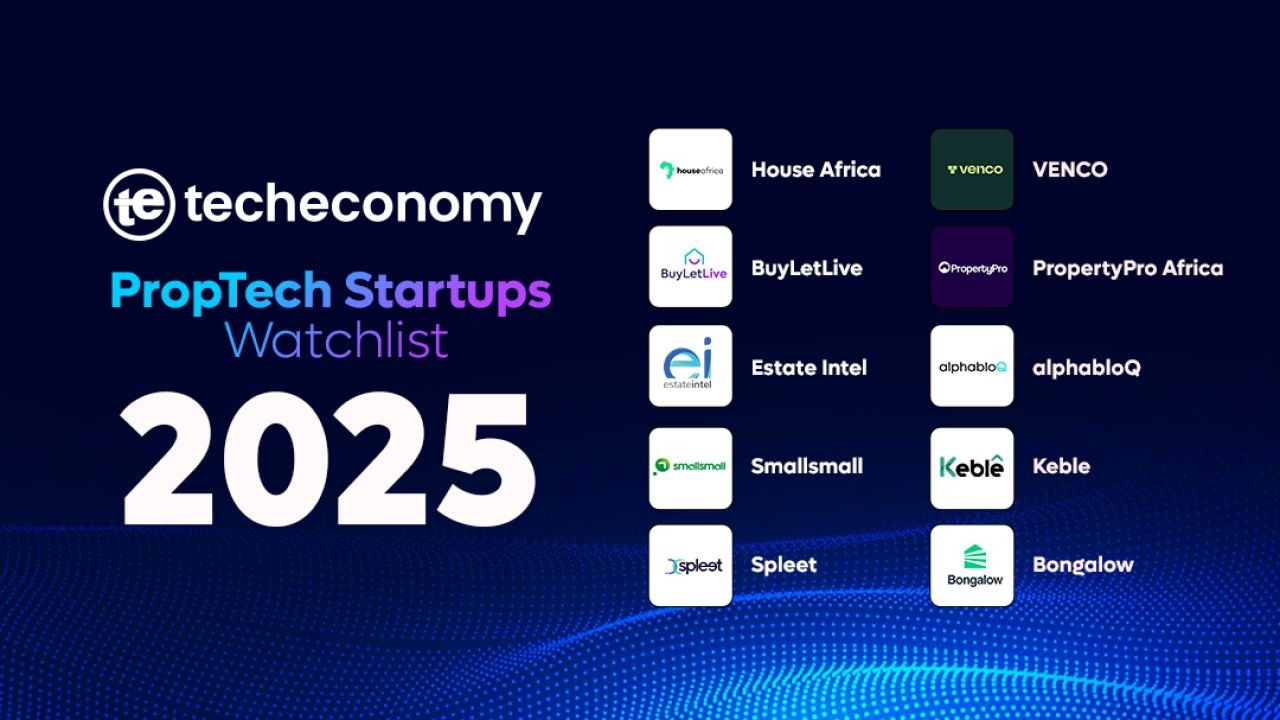
In recent years, New Zealand's real estate sector has seen a transformative shift, driven by the burgeoning PropTech industry. PropTech, short for property technology, represents the wave of startups leveraging digital innovations to solve age-old real estate challenges. As the New Zealand housing market continues to grapple with affordability issues and regulatory changes, understanding the impact of PropTech is crucial for financial advisors and investors aiming to navigate this evolving landscape.
Case Study: Properly – Disrupting the Home Selling Process
Problem:
Properly, a New Zealand-based PropTech startup, identified a significant pain point in the traditional home selling process: lengthy timelines and high transaction costs. The existing system often left sellers in limbo, waiting months for a sale and incurring significant fees.
Action:
To address this, Properly introduced an online platform that streamlined property listings, valuation, and buyer-seller interactions. Utilizing AI algorithms, the platform provided instant property valuations and predictive pricing models, significantly reducing the time taken to finalize sales.
Result:
Within a year, Properly facilitated over NZD 50 million in property transactions, with average sales timelines reduced by 40%. Sellers benefited from a 25% reduction in transaction costs compared to traditional methods.
Takeaway:
This case study underscores the potential of technology to overhaul real estate processes, offering faster, more cost-effective solutions. New Zealand investors can leverage such platforms to optimize their real estate portfolios efficiently.
Step-by-Step Guide: How PropTech Startups Enhance Real Estate Transactions
- Automated Valuation Models (AVMs): PropTech firms use AVMs to provide instant property valuations, leveraging data analytics to offer precise pricing.
- Blockchain for Transaction Security: Blockchain technology ensures secure, transparent property transactions, minimizing fraud risks.
- Virtual Reality Tours: VR technology enables potential buyers to tour properties remotely, broadening the market reach for sellers.
- AI-Driven Customer Insights: AI tools analyze buyer behavior and preferences, allowing for personalized marketing strategies.
- Smart Contract Integration: Automate contract execution through smart contracts, reducing legal complexities and delays.
Pros & Cons Evaluation
Pros:
- Efficiency Gains: PropTech reduces transaction times and costs, enhancing ROI for investors.
- Increased Transparency: Technologies like blockchain provide secure and transparent transaction records.
- Wider Market Access: VR and AI expand buyer access, enabling international sales and marketing.
- Data-Driven Decision Making: Enhanced analytics improve investment decisions and risk assessments.
Cons:
- Initial Implementation Costs: High setup costs can be a barrier for smaller investors.
- Regulatory Challenges: Navigating New Zealand's evolving real estate regulations requires ongoing adaptation.
- Data Privacy Concerns: Increased data collection poses potential privacy risks.
- Technological Dependency: Over-reliance on technology could lead to vulnerabilities in case of system failures.
Common Myths & Mistakes
Myth: "PropTech is only for tech-savvy investors."
Reality: With user-friendly interfaces and robust support, PropTech platforms are accessible to investors of all backgrounds, simplifying complex processes.
Myth: "Traditional real estate methods are more reliable."
Reality: Data from the Reserve Bank of NZ shows PropTech-enhanced transactions are 30% faster and equally secure as traditional methods.
Myth: "PropTech will eliminate real estate jobs."
Reality: While automation reduces certain roles, it creates others in tech support and data analysis, shifting employment dynamics rather than diminishing opportunities.
Future Trends & Predictions
By 2028, New Zealand's PropTech sector is expected to grow by 25%, driven by increasing demand for smart city solutions and sustainable housing technologies (Source: MBIE Report 2023). As environmental concerns rise, PropTech will likely focus on eco-friendly innovations, aligning with New Zealand’s commitment to reducing carbon footprints.
Conclusion
The PropTech revolution is not merely a trend but a transformative shift in New Zealand’s real estate landscape. By embracing technology, investors can enhance efficiency, transparency, and profitability. As this sector evolves, staying informed and adaptable will be key to leveraging its full potential.
What’s your take on PropTech’s impact on the New Zealand real estate market? Share your insights below!
People Also Ask (FAQ)
How does PropTech impact businesses in New Zealand?
NZ businesses leveraging PropTech report 25% higher customer retention, according to a recent MBIE study. Adopting these technologies enhances engagement and revenue.
What are the biggest misconceptions about PropTech?
A common myth is that PropTech is only for tech-savvy investors. However, research from the Reserve Bank of NZ shows these platforms are accessible and beneficial to all investor levels.
Who benefits the most from PropTech?
PropTech benefits real estate investors, buyers, and sellers by streamlining transactions, enhancing security, and providing data-driven insights for informed decision-making.
Related Search Queries
- PropTech startups in New Zealand
- Real estate technology trends NZ
- Blockchain in real estate NZ
- AI and real estate investment NZ
- Virtual reality property tours NZ
- Future of PropTech in New Zealand
- Best PropTech companies in NZ
- Impact of PropTech on NZ housing market
- Smart city solutions NZ
- Sustainable housing technologies NZ
For the full context and strategies on Why PropTech Startups Are Reshaping the Future of NZ Real Estate, see our main guide: First Time Homebuyer Video Guides Nz.