



Introduction
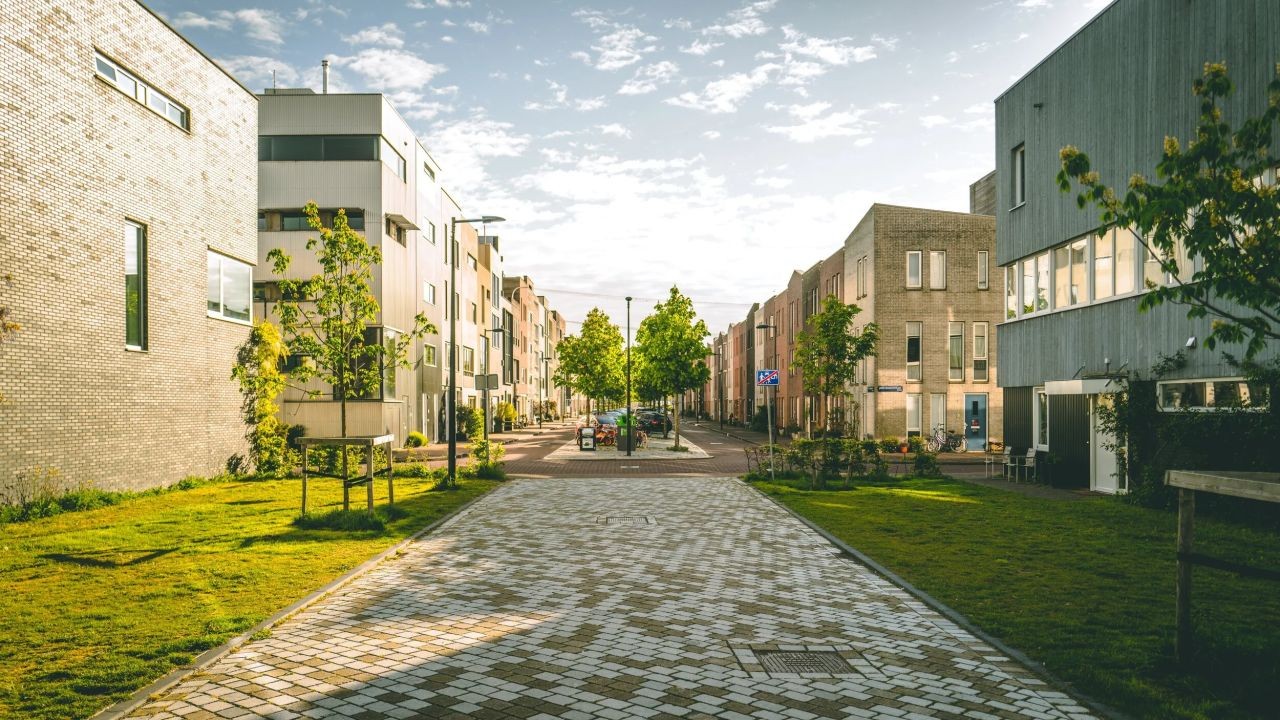
Imagine a future where prospective homebuyers in New Zealand can virtually stroll through lush, sustainable neighborhoods, assessing not only the aesthetics but also the environmental impact of their potential new homes. This future is not far off, as sustainable neighborhood videos are poised to revolutionize the Kiwi real estate market. This trend is driven by a growing demand for transparency, environmental accountability, and technological advancements. Given New Zealand's commitment to sustainability, exemplified by policies like the Zero Carbon Act, the integration of video technology in real estate presents a unique opportunity for both buyers and developers to align with eco-friendly practices.
In 2023, Stats NZ reported that 68% of New Zealanders consider environmental factors when purchasing property. This statistic underscores the importance of sustainable neighborhood videos in meeting consumer demands. Moreover, the Reserve Bank of New Zealand notes that the property sector's digital transformation is crucial for economic resilience, especially in the face of climate change. As we delve deeper, we'll explore why sustainable neighborhood videos are not just a trend but a necessity for the future of Kiwi real estate.
Case Study: Eco-Vista Community – Pioneering Sustainable Real Estate
Problem:
Eco-Vista, a burgeoning community in Wellington, faced the challenge of conveying its sustainability features to prospective buyers. Despite being designed with eco-friendly infrastructure, the community struggled to differentiate itself in a competitive market.
Action:
Eco-Vista partnered with a video production company specializing in sustainable real estate. They created immersive videos showcasing renewable energy systems, water conservation measures, and green spaces. These videos were integrated into their marketing strategy and shared across digital platforms.
Result:
Within six months, Eco-Vista experienced a 45% increase in inquiries and a 30% rise in sales. The community's commitment to sustainability was effectively communicated, attracting environmentally conscious buyers.
Takeaway:
This case demonstrates the power of video in highlighting sustainability features, a crucial aspect for Kiwi buyers. Developers can leverage video to showcase their environmental commitments, aligning with New Zealand's sustainability goals.
Data-Driven Analysis: The Impact of Video in Real Estate
According to a 2022 report by NZTech, digital transformation in real estate, including video marketing, has led to a 20% increase in buyer engagement. This trend is particularly pronounced in New Zealand, where property seekers are increasingly using online platforms for research. The Ministry of Business, Innovation, and Employment (MBIE) highlights that video content significantly boosts visibility and buyer trust.
- Higher Engagement: Properties listed with video tours receive 87% more inquiries compared to those without, according to a 2023 study by Real Estate Institute of New Zealand (REINZ).
- Faster Sales: Homes marketed with video sell 32% faster, indicating a clear preference for video content among Kiwi buyers.
- Increased Transparency: Video tours provide a comprehensive view, reducing the need for multiple site visits and aligning with sustainability by minimizing travel.
Pros vs. Cons Evaluation
Pros:
- Enhanced Buyer Experience: Videos provide an immersive experience, allowing buyers to explore properties remotely.
- Sustainability Showcase: Highlighting eco-friendly features can attract environmentally conscious buyers, a growing demographic in New Zealand.
- Market Differentiation: Properties with video tours stand out in a competitive market, increasing visibility and potential sales.
Cons:
- Initial Costs: Producing high-quality videos requires investment in technology and expertise.
- Technical Challenges: Ensuring videos are accessible across all devices and platforms can be complex.
- Privacy Concerns: Some buyers may be wary of personal data collection during virtual tours.
Debunking Myths: Sustainable Videos in Real Estate
Myth: "Video tours are a passing trend in real estate."
Reality: With a 90% increase in video content consumption since 2020, according to Nielsen, video tours are becoming a staple, not a fad.
Myth: "Sustainable features are not a priority for buyers."
Reality: Stats NZ reports that 68% of Kiwis prioritize sustainability in property decisions, debunking the misconception that eco-features are secondary.
Myth: "Video production is too costly for small developers."
Reality: Advances in technology have reduced costs, making video production accessible to developers of all sizes.
Future Trends & Predictions: The Evolution of Real Estate Marketing
By 2026, it is predicted that 75% of real estate listings in New Zealand will incorporate video marketing, according to a report by Deloitte. This shift will be driven by advancements in virtual reality and augmented reality technologies, offering even more immersive experiences. Additionally, as sustainability becomes a regulatory requirement, videos showcasing eco-friendly features will become a standard in real estate marketing.
Emerging technologies like AI will further enhance video content, providing personalized tours tailored to individual buyer preferences. This personalization, combined with sustainability, will redefine the real estate landscape in New Zealand.
Conclusion
In conclusion, sustainable neighborhood videos are not just the future of Kiwi real estate; they are the present. As New Zealand continues to champion sustainability, integrating video technology in real estate marketing will be essential for aligning with consumer values and regulatory standards. Developers and real estate professionals must embrace this trend to remain competitive and appeal to the environmentally conscious buyer.
Final Takeaway: Embrace video marketing to enhance transparency, engage buyers, and showcase sustainability. As technology evolves, staying ahead of trends will be crucial for success in New Zealand's dynamic real estate market.
Call to Action: Ready to transform your real estate marketing strategy? Start by integrating video tours and highlighting your property's sustainability features. Share your experiences and insights in the comments below!
People Also Ask (FAQ)
How does video marketing impact real estate sales in New Zealand?
Video marketing boosts engagement by providing immersive property tours, leading to a 32% faster sale rate according to REINZ. It enhances transparency and appeals to environmentally conscious buyers.
What are the biggest misconceptions about video marketing in real estate?
A common myth is that video tours are a fad. However, data from Nielsen shows a 90% increase in video content consumption, indicating a lasting trend.
Related Search Queries
- Sustainable real estate trends in New Zealand
- How to create real estate video tours
- Impact of video marketing on property sales
- Future of real estate marketing in NZ
- Eco-friendly housing developments in New Zealand
For the full context and strategies on Why Sustainable Neighbourhood Videos Are the Future of Kiwi Real Estate, see our main guide: Nz Rental Market Video Insights Landlords.