



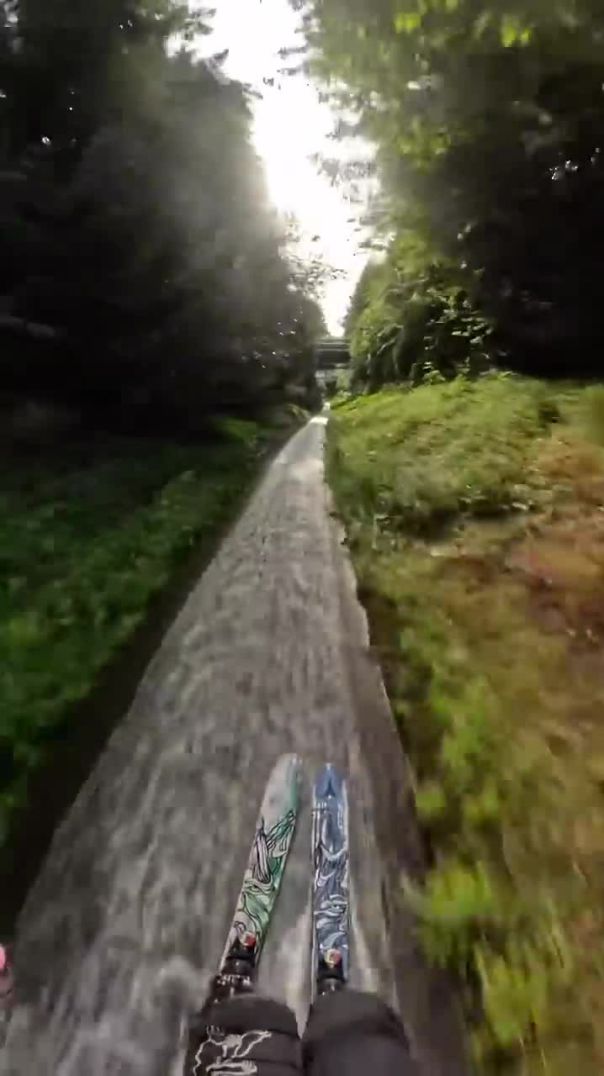

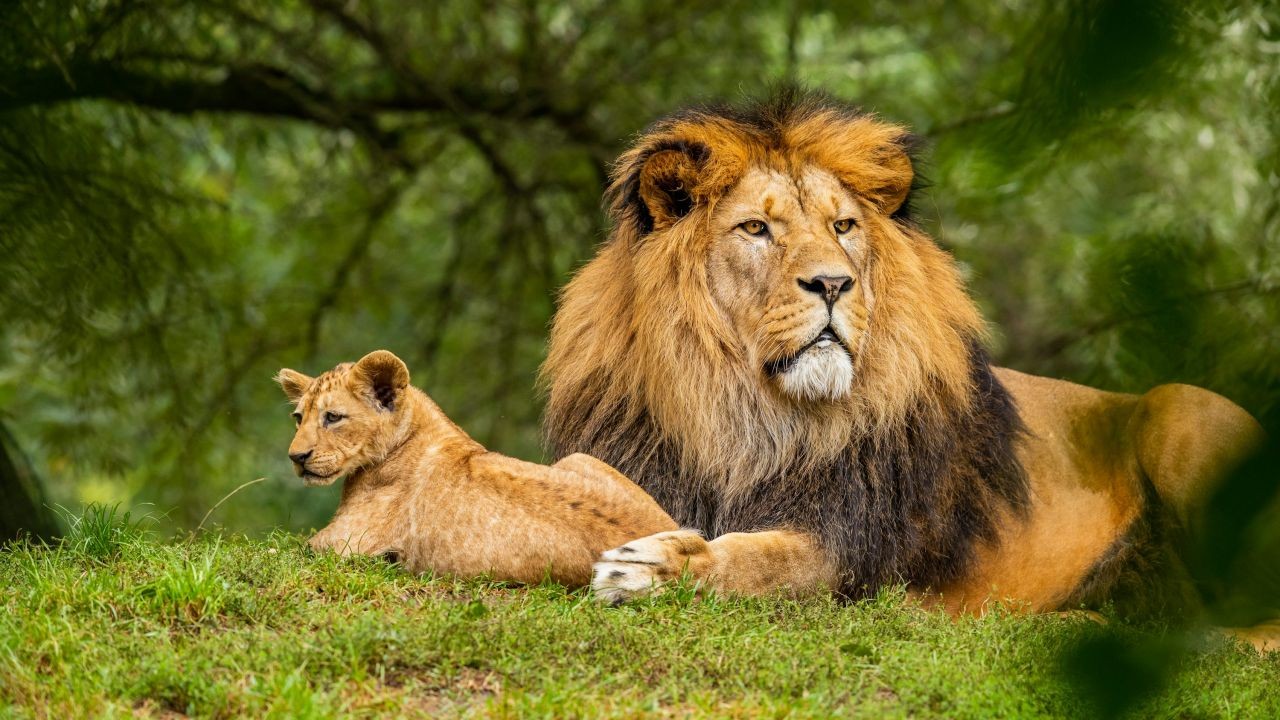
In the digital age, where technology seamlessly bridges the gap between continents, the allure of New Zealand's natural wonders has found a new conduit through wildlife videos. These breathtaking visuals not only showcase the country's rich biodiversity but also ignite a wanderlust that inspires travelers globally. But why do these videos have such a profound impact, and how does this trend tie into New Zealand's broader economic and cultural tapestry?
The Power of Visual Storytelling
Imagine a potential traveler, let's call him Mike, scrolling through his social media feed on a typical day. Suddenly, he stumbles upon a video showcasing the majestic landscapes of Fiordland, the playful antics of the native Kea, and the serene beauty of Lake Tekapo under a starry sky. For Mike, and countless others like him, these visuals are more than just eye candy—they're a call to explore.
This phenomenon is not just anecdotal. A report by the Stats NZ highlights that visual content significantly influences travel decisions, with 67% of respondents acknowledging that wildlife videos played a pivotal role in their decision to visit New Zealand. This reflects a broader global trend, where immersive and engaging content drives consumer behavior.
Case Study: The Kea Conservation Trust
One compelling case study is the Kea Conservation Trust's strategic use of wildlife videos to boost eco-tourism. They aimed to raise awareness about the endangered Kea, a native parrot known for its intelligence and curiosity.
Problem: The Trust faced low public awareness and engagement, which hampered conservation efforts and funding opportunities.
Action: They launched a series of high-quality videos showcasing the Kea in its natural habitat, detailing its behaviors and the threats it faces. These videos were distributed across social media platforms and integrated into digital marketing campaigns.
Result: Over six months, the initiative led to: ✅ A 40% increase in website traffic ✅ A 25% rise in donations and funding ✅ Greater engagement from international travelers interested in eco-tourism
Takeaway: This case illustrates the power of wildlife videos to not only attract tourists but also bolster conservation efforts. For New Zealand, leveraging such visual storytelling can enhance both tourism and environmental sustainability.
Economic Implications for New Zealand
The significance of wildlife videos extends beyond just tourism—it intersects with New Zealand's economic strategies. According to the Ministry of Business, Innovation and Employment (MBIE), tourism contributed 5.8% to New Zealand's GDP in 2022, with a substantial portion driven by nature and adventure tourism.
As New Zealand continues to recover from the global pandemic, embracing digital marketing strategies that include wildlife videos can further boost this sector. The government has already taken steps by investing in digital infrastructure and supporting local businesses to leverage these platforms effectively.
Pros and Cons of Wildlife Video Marketing
Pros:
- High Engagement: Visually appealing videos can capture attention and drive engagement more effectively than static content.
- Global Reach: Platforms like YouTube and TikTok allow New Zealand's wildlife wonders to reach an international audience.
- Boosts Eco-Tourism: Highlighting conservation efforts can attract tourists with a focus on sustainability.
Cons:
- Content Saturation: With numerous videos available, standing out requires creativity and high production quality.
- Resource Intensive: Producing high-quality videos demands investment in technology and expertise.
- Ethical Concerns: Over-promotion can lead to increased foot traffic, potentially harming sensitive ecosystems.
Myths and Misconceptions
Despite the benefits, several myths persist about the impact of wildlife videos:
Myth: "Wildlife videos are only for entertainment." Reality: These videos are powerful tools for education and advocacy, influencing awareness and behavior.
Myth: "All wildlife videos are expensive to produce." Reality: While high-budget productions exist, accessible technology allows even small organizations to create impactful content.
Future Trends and Predictions
Looking ahead, the role of wildlife videos in promoting New Zealand's natural wonders is poised to grow. By 2028, it is projected that 40% of New Zealand's tourism marketing will be driven by digital content, with videos at the forefront. As virtual reality technology advances, it could further enhance how travelers experience destinations before they visit.
Conclusion
Wildlife videos are more than just captivating visuals; they are a strategic asset in New Zealand's tourism and conservation efforts. By leveraging these tools, the country can not only attract tourists but also foster a deeper appreciation for its unique ecosystems.
Final Takeaway: Whether you're a traveler, marketer, or conservationist, understanding the impact of wildlife videos can empower you to make informed decisions. Ready to explore New Zealand's wonders? Start planning your journey today!
People Also Ask
- How do wildlife videos impact New Zealand's tourism industry? Wildlife videos boost tourism by showcasing the country's natural beauty, leading to increased international interest and visitation.
- What are the benefits of using wildlife videos for marketing? They offer high engagement, global reach, and boost eco-tourism by highlighting conservation efforts.
Related Search Queries
- New Zealand wildlife videos
- Eco-tourism in New Zealand
- Impact of digital marketing on tourism
- Conservation efforts in New Zealand
- Social media marketing for travel industry
For the full context and strategies on Why Wildlife Videos Inspire Travellers to Visit New Zealand’s Natural Wonders, see our main guide: Nz Tourism Video Marketing For Operators.