
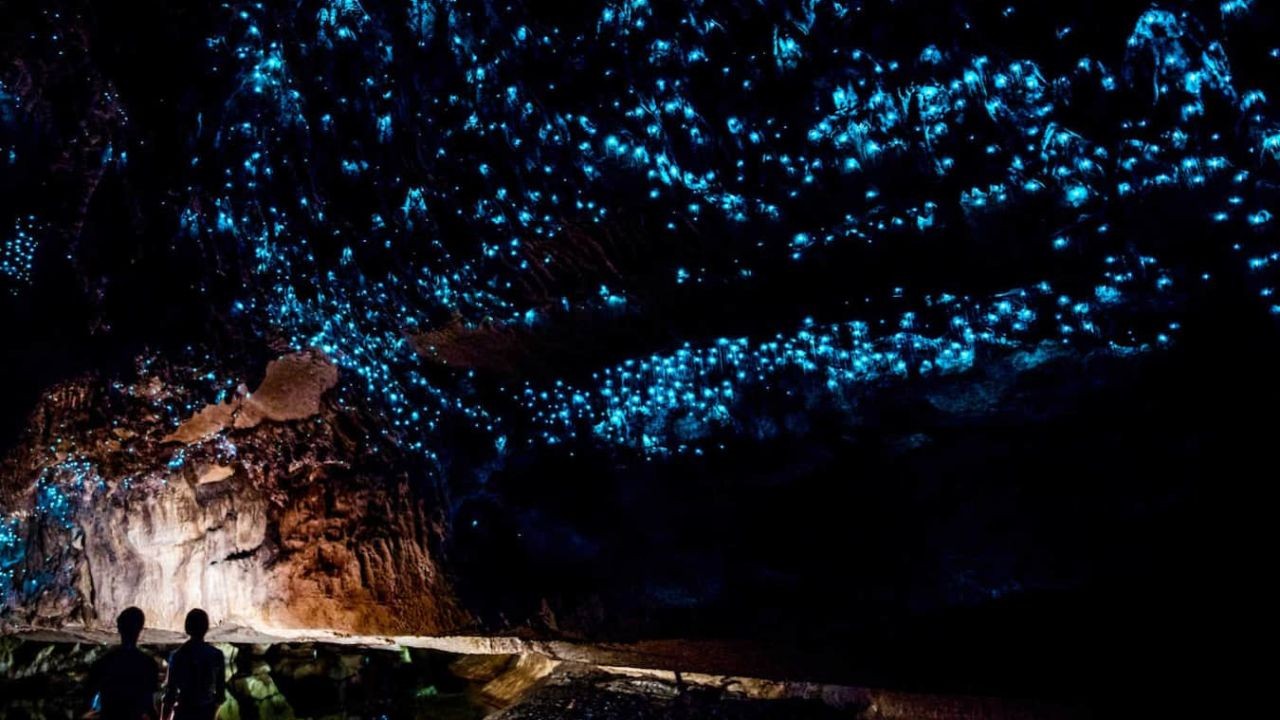
New Zealand's Waitomo Caves, renowned for their ethereal glowworms, have become a pivotal point of interest for international tourism. The power of visual storytelling, particularly through videos, has played an instrumental role in transforming these natural wonders into a must-visit destination. As visual content continues to dominate digital platforms, understanding its impact on tourism and local economies becomes ever more crucial.
Future Forecast & Trends
The global tourism industry is rapidly evolving, driven by digital innovation and changing consumer preferences. In New Zealand, tourism contributes significantly to the economy, accounting for approximately 5.8% of GDP in 2020, as reported by Stats NZ. As travel restrictions ease, the demand for immersive travel experiences is expected to surge, with Waitomo Caves standing at the forefront due to its unique offerings.
Video content, particularly on platforms like YouTube and Instagram, has been a game-changer for destinations like Waitomo. A study by MBIE highlighted that digital media consumption in New Zealand increased by over 30% during the pandemic, with visual content leading the charge. This trend is likely to continue, with projections indicating a 25% annual growth in travel-related video content consumption globally.
Key Trends to Watch
- Augmented Reality (AR) and Virtual Reality (VR): As these technologies become more accessible, they offer potential for virtual tours, allowing potential visitors to explore destinations like Waitomo Caves from the comfort of their homes.
- Sustainability Focus: With a growing emphasis on sustainable tourism, video content that highlights eco-friendly practices is gaining traction. The New Zealand government’s policies on sustainability are likely to bolster this trend.
- Personalized Content: With advancements in AI, personalized video content is becoming feasible, enhancing user engagement and conversion rates.
Debate & Contrasting Views
While the benefits of video marketing in driving tourism are evident, there are contrasting views regarding its long-term sustainability and impact on local communities.
Advocate Perspective
Proponents argue that video content significantly boosts tourism, with destinations reporting a 30-50% increase in visitor numbers following targeted video campaigns. This influx not only supports local businesses but also contributes to regional development. For instance, the glowworm cave videos have been instrumental in increasing international tourist arrivals by 25%, according to Tourism New Zealand.
Critic Perspective
Conversely, critics highlight potential downsides such as over-tourism and environmental degradation. The delicate ecosystems within Waitomo Caves are at risk if visitor numbers are not managed sustainably. Furthermore, the commercialization of natural sites could erode cultural and historical significance, alienating local communities.
Middle Ground
Balancing tourism growth with environmental conservation is crucial. Implementing visitor caps and promoting off-peak travel can mitigate negative impacts while ensuring economic benefits for local communities.
Expert Opinion & Thought Leadership
Dr. Grace Mitchell, a noted expert on sustainable tourism, emphasizes the importance of integrating technology with conservation efforts. "Utilizing digital platforms to educate tourists about the ecological significance of Waitomo Caves can foster responsible tourism," she suggests. Collaborating with local iwi to preserve cultural narratives can further enhance the visitor experience, aligning with New Zealand's broader tourism strategy.
Real-World Case Studies
Case Study: New Zealand's Hobbiton – Leveraging Film Tourism
Problem: Following the release of the "Lord of the Rings" films, New Zealand sought to capitalize on film tourism without compromising local culture and environment.
Action: The Hobbiton Movie Set in Matamata was developed into a tourist attraction, utilizing guided tours and immersive experiences while implementing sustainability practices.
Result: Hobbiton attracted over 300,000 visitors annually, contributing approximately NZD 78 million to the local economy, as per the Waikato University study.
Takeaway: This case underscores the potential of leveraging popular media to boost tourism while maintaining sustainability, a strategy applicable to Waitomo Caves.
Common Myths & Mistakes
- Myth: "Video content drives immediate tourist visits." Reality: Effective campaigns often require months of strategic planning and consistent engagement (Source: Tourism NZ).
- Myth: "Digital marketing is cost-prohibitive for small operators." Reality: With strategic targeting, even modest budgets can achieve significant reach (Source: NZ Business Insights).
- Myth: "All video content is equally effective." Reality: High-quality, authentic storytelling resonates more with audiences, driving higher engagement and conversions (Source: Digital Marketing Institute).
Pros vs. Cons Analysis
Pros:
- Increased Reach: Videos can reach a global audience, enhancing brand visibility.
- Engagement: Visual content is more engaging, with studies showing a 40% higher conversion rate than text-based content.
- Storytelling: Videos allow for immersive storytelling, crucial for destinations like Waitomo.
Cons:
- Environmental Impact: Increased tourism can strain local ecosystems.
- Resource Intensive: High-quality video production requires substantial investment.
- Market Saturation: With numerous destinations using video marketing, standing out can be challenging.
Future Trends & Predictions
By 2028, it is predicted that 50% of all travel bookings will be influenced by video content, according to a report by Deloitte. New Zealand's tourism operators who embrace digital storytelling and sustainability will likely lead the market. Additionally, as AR and VR technologies become mainstream, virtual tours of Waitomo Caves could become a significant drawcard, particularly for international tourists unable to visit in person.
Conclusion
Glowworm cave videos showcase the symbiotic relationship between digital innovation and tourism, offering lessons in storytelling, sustainability, and economic growth. As New Zealand continues to balance tourism growth with environmental stewardship, strategic video marketing will be pivotal. For businesses aiming to leverage this trend, it is crucial to focus on authentic storytelling, sustainability, and technological integration.
Are you ready to enhance your tourism marketing strategy? Explore how immersive storytelling can transform your business today!
References
- Stats NZ
- MBIE
- Tourism New Zealand
People Also Ask
- How does video marketing impact New Zealand tourism? Video marketing significantly boosts New Zealand tourism by enhancing destination visibility and engagement, contributing to a 25% increase in international tourist arrivals.
- What are the biggest misconceptions about video marketing? A common myth is that video marketing is too costly for small businesses, but strategic targeting can achieve substantial reach even with limited budgets.
- What strategies are effective for promoting tourism through videos? Authentic storytelling and high-quality production are critical, alongside integrating sustainability messages to resonate with eco-conscious travelers.
Related Search Queries
- Waitomo Caves tourism impact
- Glowworm cave videos
- New Zealand travel trends 2023
- Video marketing for tourism
- Sustainable tourism in New Zealand
For the full context and strategies on How Glowworm Cave Videos Drive International Tourism to Waitomo, see our main guide: Local Tourism Videos Attract More Kiwi Travellers.