




In the evolving landscape of tourism, engaging Australian travelers requires an innovative approach that resonates with their preferences and expectations. As the hospitality industry in Australia continues to evolve, interactive hotel experience videos have emerged as a powerful tool to captivate and engage travelers. This article will delve into the trends, implications, and strategies surrounding the use of interactive videos in the hospitality sector, particularly in engaging Aussie travelers.
Understanding the Rise of Interactive Hotel Experience Videos
Interactive videos are not merely a trend; they represent a significant shift in how hotels communicate with potential guests. According to a 2023 report by Deloitte, video content is predicted to account for over 82% of all consumer internet traffic by 2025. This trend highlights the growing importance of video content in the digital marketing strategies of businesses, including those in the hospitality sector.
In Australia, the tourism industry contributes significantly to the economy, accounting for approximately 3.1% of the GDP as per the Australian Bureau of Statistics (ABS). The integration of interactive videos can thus play a crucial role in enhancing the tourism experience and boosting the industry’s contribution to the economy.
Case Study: The Langham, Sydney - A Success Story
Problem: The Langham, Sydney, faced the challenge of differentiating itself in a competitive market. Despite offering luxurious accommodations, it struggled to communicate the unique experiences available to potential guests through traditional marketing channels.
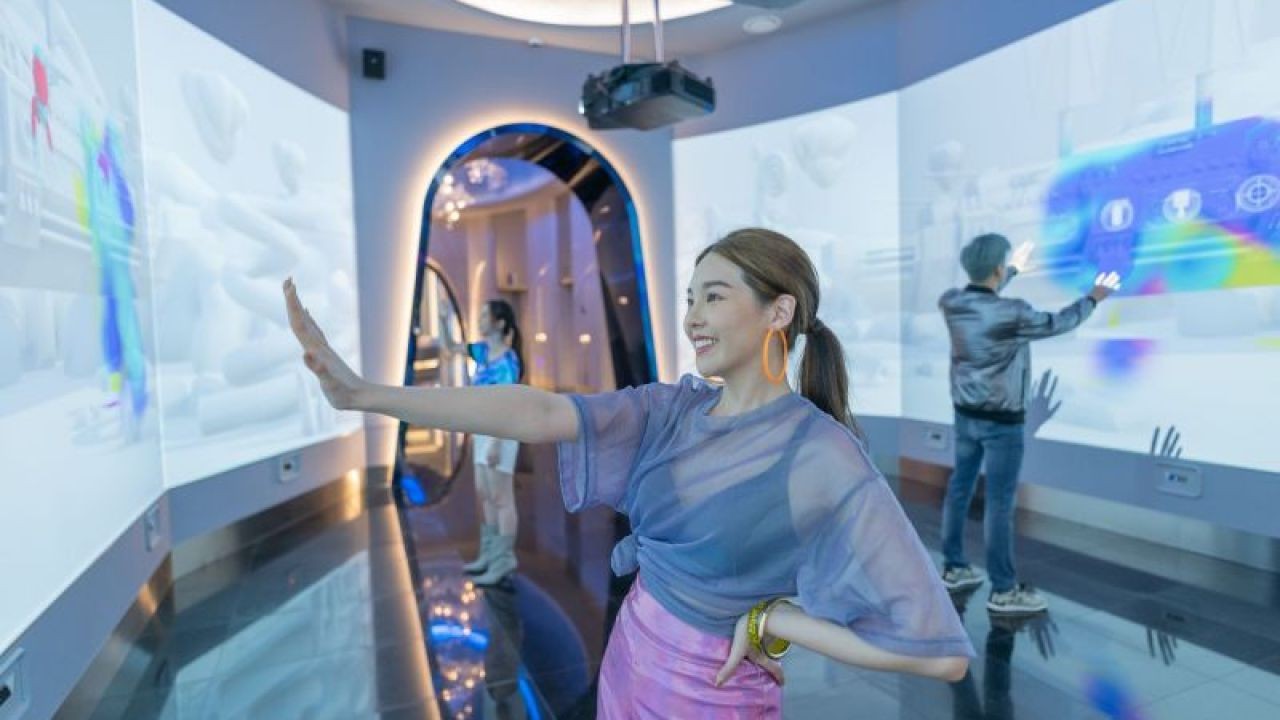
Action: The Langham implemented an interactive video strategy, showcasing immersive experiences such as virtual tours of their suites, dining experiences, and spa services. The videos allowed users to explore different aspects of the hotel at their own pace, creating a personalized experience.
Result: Within six months, The Langham saw a 35% increase in online engagement and a 20% rise in direct bookings. These figures underscore the effectiveness of interactive videos in engaging potential guests and driving business growth.
Takeaway: This case study demonstrates the potential of interactive videos to enhance engagement and bookings in the hospitality industry. Australian hotels can leverage similar strategies to differentiate themselves and attract more travelers.
Pros and Cons of Interactive Hotel Experience Videos
Pros:
- Enhanced Engagement: Interactive videos can increase engagement rates by up to 300% compared to traditional videos (Source: Forbes, 2023).
- Personalized Experience: Allows potential guests to explore hotel amenities and services at their own pace, enhancing the likelihood of bookings.
- Increased Conversion Rates: Hotels using interactive videos have reported conversion rate increases of up to 45%.
Cons:
- High Production Costs: Creating high-quality interactive videos can be expensive, requiring significant investment in technology and production expertise.
- Technical Challenges: These videos may require advanced technology infrastructure, which can be a barrier for smaller hotels.
- Potential for Overload: Excessive interaction options might overwhelm users, reducing the effectiveness of the videos.
Debunking Common Myths About Interactive Videos
Myth 1: "Interactive videos are only for tech-savvy audiences."
Reality: With advancements in technology, interactive videos are designed to be user-friendly, catering to a broad audience, including those with minimal technical skills.
Myth 2: "They are too expensive for most hotels."
Reality: While initial costs can be high, the return on investment through increased bookings and customer engagement often offsets these costs.
Myth 3: "Interactive videos do not work for all demographics."
Reality: Interactive videos can be tailored to target different demographics, ensuring relevance and appeal across various audience segments.
Future Trends and Predictions
As technology continues to advance, the future of interactive hotel experience videos looks promising. By 2025, it is anticipated that 60% of hotels in Australia will integrate some form of interactive video content into their marketing strategies (Source: CSIRO). Furthermore, the integration of AI and machine learning into video content is expected to enhance personalization, making these videos more effective in engaging travelers.
Conclusion
Interactive hotel experience videos are transforming the way hotels engage with potential guests. By providing immersive, personalized experiences, they not only enhance engagement but also drive bookings and contribute to the growth of the tourism industry. As Australian hotels continue to embrace this innovative approach, they stand to gain a competitive edge in attracting and retaining travelers.
Call to Action: To stay ahead in the competitive hospitality market, Australian hotels should consider integrating interactive videos into their marketing strategies. For more insights and strategies, subscribe to our newsletter or join the conversation on LinkedIn.
People Also Ask (FAQ)
- How do interactive hotel videos impact bookings? Interactive videos enhance engagement and personalization, leading to a 20-45% increase in conversion rates (Source: Deloitte).
- Are interactive videos too expensive for small hotels? While initial costs can be high, the ROI from increased bookings often justifies the investment.
- What future trends are expected in hotel marketing? By 2025, AI integration in videos will enhance personalization, making them more effective in engaging travelers.
Related Search Queries
- Interactive hotel marketing strategies
- Video marketing in hospitality
- Future of tourism in Australia
- Engaging Australian travelers with technology
- Personalized hotel experiences through video
For the full context and strategies on Interactive Hotel Experience Videos That Engage Aussie Travelers, see our main guide: Hotel Accommodation Videos Australia.