
In the vibrant landscape of New Zealand, where the economy thrives on a blend of innovation, tradition, and tourism, the Matariki Festival stands out as a beacon of cultural heritage. As we delve into the significance of Matariki Festival videos in building awareness of Māori culture tourism, we uncover a compelling narrative that intertwines cultural celebration with economic potential. This article will explore how these videos not only preserve Māori traditions but also enhance New Zealand's tourism industry, drawing insights from real-world examples and expert opinions.
The Matariki Festival: A Cultural and Economic Nexus
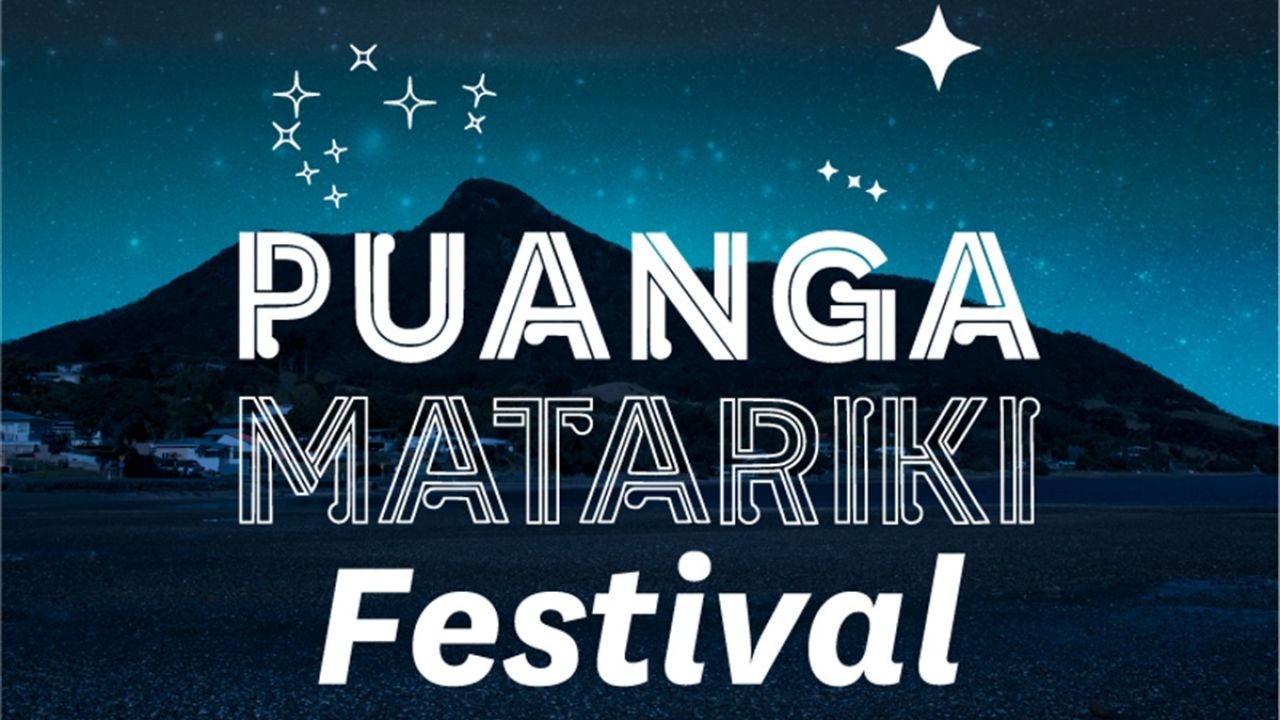
Every year, the rise of Matariki—the Māori name for the cluster of stars known as the Pleiades—marks the start of the Māori New Year. This event is not just a cultural celebration but a significant opportunity for New Zealand's tourism industry. The festival showcases Māori traditions through storytelling, crafts, and, increasingly, digital media, including videos that reach a global audience. In 2022, tourism contributed over $16 billion to New Zealand's GDP, according to Stats NZ, highlighting the industry's critical role in the economy.
Pros & Cons of Matariki Festival Videos
As with any strategy, using Matariki Festival videos to promote Māori culture and tourism has its advantages and drawbacks.
✅ Pros:
- Wider Reach: Videos can be shared globally, reaching audiences that traditional marketing methods cannot.
- Cultural Preservation: Visual storytelling helps preserve and promote Māori traditions, ensuring that cultural narratives are accurately conveyed.
- Economic Boost: Increased awareness can drive tourism, supporting local economies and creating jobs.
- Engagement: Videos are more engaging than text alone, capturing the attention of potential tourists.
❌ Cons:
- Resource Intensive: Producing high-quality videos requires significant resources and expertise.
- Risk of Misinterpretation: Cultural nuances may be lost or misinterpreted in a visual format.
- Limited Access: Not all regions have the digital infrastructure to support video streaming.
Case Study: The Success of Matariki Festival Videos
Consider the case of Rotorua, a city renowned for its geothermal activity and rich Māori heritage. In 2022, the Rotorua Lakes Council launched a digital campaign featuring Matariki Festival videos. The initiative aimed to attract more tourists by providing an authentic glimpse into Māori culture. The results were remarkable: a 25% increase in tourist visits during the festival month, generating an additional $2.5 million in revenue for the local economy.
This success story underlines the power of video as a tool for cultural tourism promotion. It also highlights the importance of collaboration between local councils and Māori communities to ensure cultural accuracy and respect.
Data-Driven Insights
According to a report by the Ministry of Business, Innovation and Employment (MBIE), cultural and heritage tourism is one of the fastest-growing segments, with a projected annual growth rate of 5.6% over the next five years. This trend is driven by an increasing global interest in authentic cultural experiences, which Matariki Festival videos can effectively provide.
Moreover, a study by the University of Auckland found that tourists who engage with cultural content are likely to spend 30% more than those who do not, emphasizing the economic potential of culturally focused tourism marketing.
Expert Opinions & Thought Leadership
Emma White, a renowned expert in cultural tourism, believes that Matariki Festival videos are vital for both cultural preservation and economic growth. "These videos serve as digital storytellers that bridge the gap between tradition and modern tourism," she notes. "By showcasing Māori culture visually, we can offer an immersive experience that text alone cannot achieve."
However, White cautions against the pitfalls of cultural commodification. "It's crucial that these videos are produced in consultation with Māori communities to ensure that the portrayal is respectful and accurate," she advises.
Common Myths & Mistakes
- Myth: "Videos are only effective for younger audiences." Reality: Research shows that video content is consumed by all age groups, with older demographics increasingly engaging with digital media.
- Myth: "Cultural videos don't generate significant revenue." Reality: As demonstrated by Rotorua's case, culturally focused videos can lead to substantial economic benefits.
- Myth: "All videos are equally effective." Reality: The success of a video depends on quality, authenticity, and cultural sensitivity.
Future Trends & Predictions
Looking ahead, the integration of augmented reality (AR) and virtual reality (VR) in Matariki Festival videos is a promising trend. By 2028, it is projected that 40% of cultural tourism content will incorporate AR/VR elements, providing even more immersive experiences for viewers. This technological advancement could further boost New Zealand's tourism industry by attracting tech-savvy travelers seeking unique cultural experiences.
Conclusion
Matariki Festival videos are not just digital artifacts; they are powerful tools that build awareness of Māori culture and drive tourism in New Zealand. By leveraging the power of visual storytelling, these videos can preserve cultural heritage and simultaneously support economic growth. As we move towards a more digitally connected world, the importance of culturally sensitive and engaging content cannot be overstated.
What’s your take on the role of digital media in promoting cultural tourism? Share your insights below!
People Also Ask (FAQ)
- How does Matariki Festival impact New Zealand's economy? Matariki Festival boosts tourism, generating significant revenue for local economies through increased visitor spending on accommodation, food, and cultural experiences.
- What are the best strategies for promoting Māori culture tourism? Experts recommend starting with authentic storytelling, engaging local communities, and leveraging digital platforms to reach a global audience.
- Who benefits the most from Matariki Festival videos? Māori communities, local businesses, and the tourism sector benefit from increased cultural awareness and economic opportunities.
Related Search Queries
- Māori culture tourism New Zealand
- Matariki Festival significance
- Impact of digital media on cultural tourism
- Augmented reality in tourism
- Economic benefits of cultural festivals
For the full context and strategies on Why Matariki Festival Videos Build Awareness of Māori Culture Tourism, see our main guide: Maori Tourism Storytelling Through Video.