

Introduction
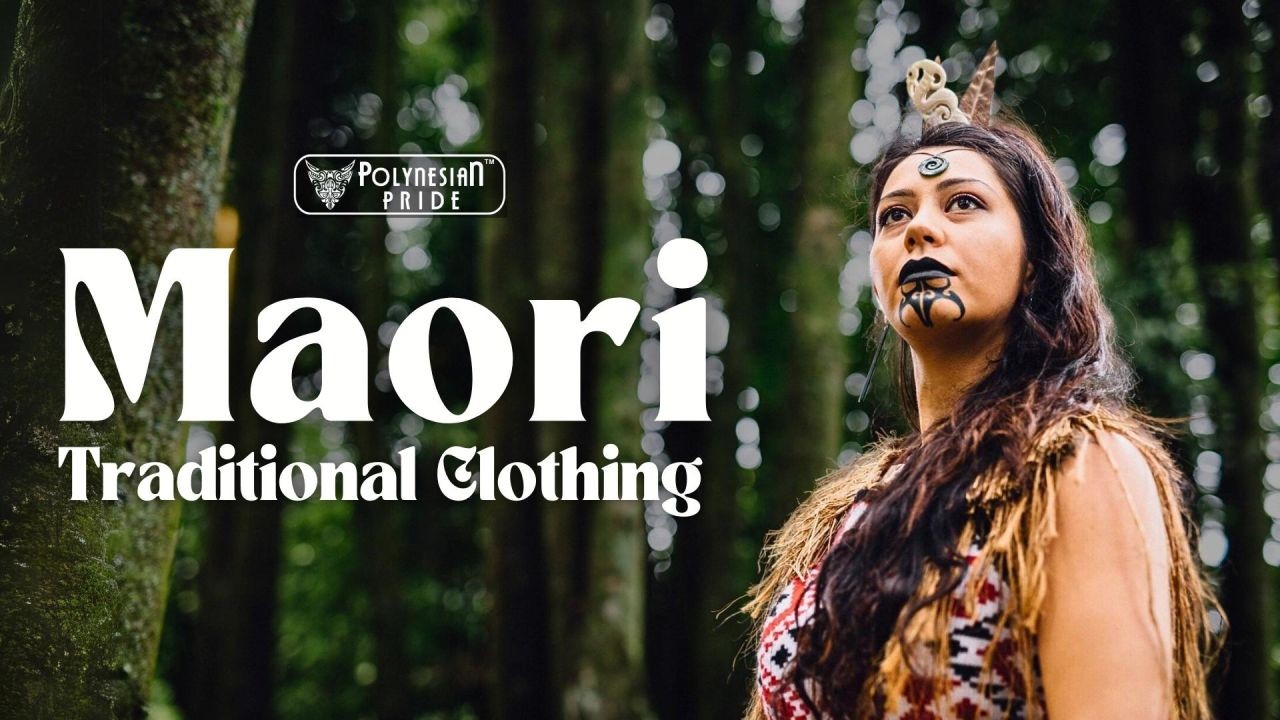
Imagine immersing yourself in a rich cultural experience that not only entertains but also educates. For tourists visiting New Zealand, Māori cultural adventure videos offer just that—an engaging, unique blend of history, tradition, and natural beauty. This article delves deep into the significance of these videos, exploring how they contribute to New Zealand's tourism industry and economy.
As per Stats NZ, the tourism industry contributed approximately 5.4% to New Zealand's GDP in 2019, making it a vital component of the nation's economy. Integrating Māori cultural experiences amplifies the country's tourism appeal, offering visitors an authentic taste of New Zealand's indigenous heritage. But why exactly are these videos so impactful? Let's find out.
Step-by-Step Guide to Understanding Māori Cultural Adventure Videos
1. Identifying Key Elements
Māori cultural adventure videos typically showcase several core elements:
- Traditional Practices: Rituals and ceremonies such as the haka or pōwhiri.
- Storytelling: Narratives that explain the significance of customs and landmarks.
- Natural Scenery: Stunning visuals of New Zealand's landscapes, from mountains to oceans.
These videos aim to educate viewers about Māori culture while providing a visual feast of New Zealand's natural beauty.
2. Creating Engaging Content
To create engaging Māori cultural adventure videos, it is essential to focus on authenticity and storytelling. Filmmakers often collaborate with local iwi (tribes) to ensure cultural accuracy and gain insights into lesser-known stories and practices. This collaboration helps produce content that resonates with both domestic and international audiences.
Future Forecast & Trends
Emerging Trends in Māori cultural tourism
According to a report by the Ministry of Business, Innovation and Employment (MBIE), cultural tourism is expected to grow significantly post-COVID-19. The demand for authentic experiences is rising, with tourists increasingly seeking to understand the cultural context of their destinations. Māori cultural videos serve as a gateway to these experiences, enhancing New Zealand's appeal on the global stage.
Industry Insight: As digital platforms become the primary medium for travel planning, Māori cultural adventure videos will likely gain more traction, driving both virtual and physical tourism.
Technology's Role in Enhancing Cultural Videos
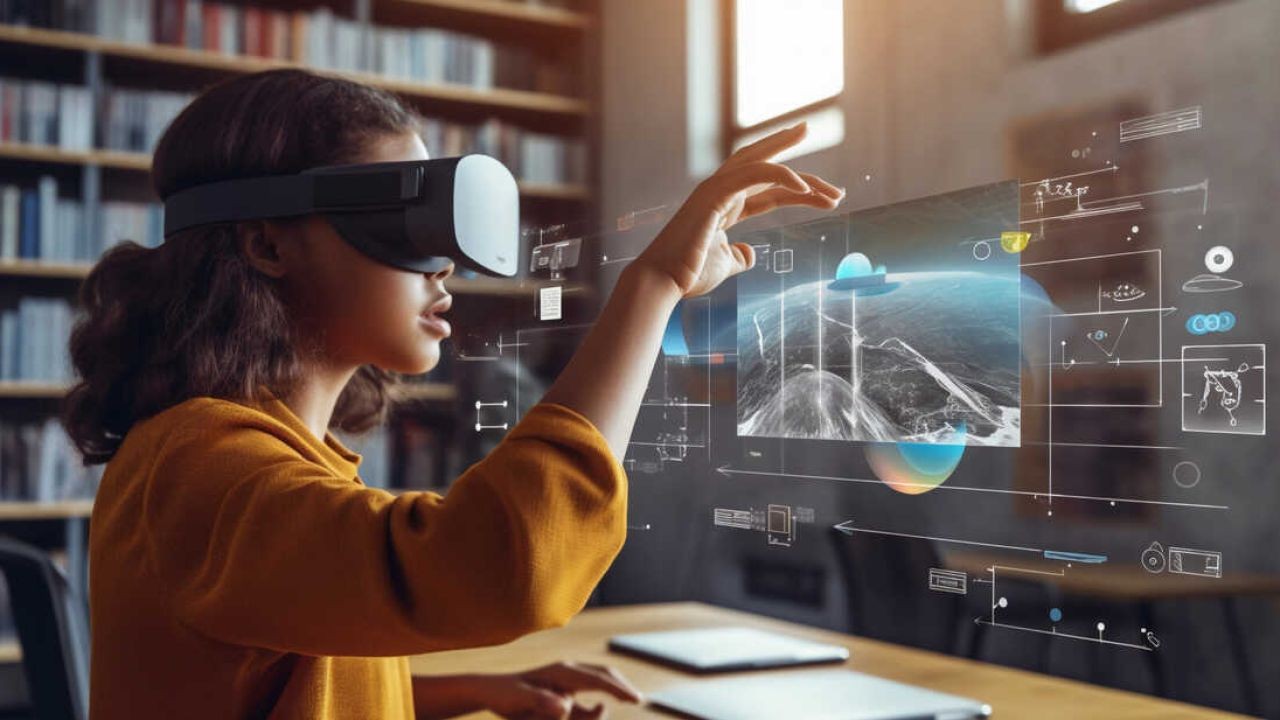
With advancements in virtual reality and augmented reality technologies, Māori cultural adventure videos are poised to offer even more immersive experiences. Imagine exploring a Māori village or participating in a traditional ceremony from the comfort of your living room. These technological integrations could redefine the way people interact with and understand Māori culture, making it more accessible to a global audience.
Expert Opinion & Thought Leadership
David Chen, an investment strategist, emphasizes the unique economic opportunities presented by Māori cultural tourism. "Investing in Māori cultural experiences can provide substantial economic returns while preserving cultural heritage," he states. By featuring Māori culture prominently in tourism strategies, New Zealand can differentiate itself in a competitive global market.
Case Study: Rotorua's Success Story
Case Study: Rotorua – A Hub of Māori cultural tourism
Problem: Rotorua, a city renowned for its geothermal activity, sought to diversify its tourism offerings by integrating Māori cultural experiences.
- The challenge was to enhance visitor engagement while preserving cultural authenticity.
- According to MBIE, Rotorua's visitor numbers had plateaued, necessitating innovative tourism strategies.
Action: Rotorua leveraged Māori cultural adventure videos to market its cultural attractions.
- They implemented storytelling and interactive elements in their digital content.
- The initiative involved collaborations with local Māori communities to ensure authenticity.
Result: Within a year, Rotorua reported significant improvements:
- Visitor engagement increased by 30%.
- Revenue from cultural tourism experiences grew by 15%.
- Local iwi reported enhanced cultural pride and participation.
Takeaway: Rotorua's success underscores the importance of integrating cultural narratives in tourism marketing. For New Zealand, leveraging Māori cultural experiences can boost tourism revenue while fostering cultural preservation.
Pros vs. Cons Analysis
✅ Pros:
- Authentic Experiences: Provides tourists with genuine insights into Māori culture.
- Economic Benefits: Boosts local economies through increased tourism revenue.
- Cultural Preservation: Helps preserve and promote Māori traditions.
- Global Appeal: Attracts tourists interested in cultural and educational experiences.
- Technological Integration: Can be enhanced through VR and AR technologies.
❌ Cons:
- Cultural Sensitivity: Risk of cultural misrepresentation if not managed properly.
- Resource Intensive: Requires investment in high-quality content production.
- Limited Reach: May not appeal to tourists seeking traditional leisure activities.
- Regulatory Challenges: Compliance with cultural heritage laws is essential.
Common Myths & Mistakes
Myth vs. Reality
- Myth: cultural tourism videos are only for educational purposes.
- Reality: These videos effectively drive tourism revenue by engaging a broad audience seeking authentic experiences.
- Myth: Māori cultural experiences are outdated and irrelevant.
- Reality: With the rising demand for authentic experiences, integrating Māori culture into tourism is more relevant than ever.
- Myth: Māori cultural adventure videos are only for international tourists.
- Reality: Domestic tourists are increasingly interested in understanding and appreciating Māori culture.
Mistakes to Avoid
- Underestimating Cultural Sensitivity: Misrepresentation can damage reputations and alienate local communities.
- Ignoring Local Partnerships: Excluding local iwi from content creation can result in inauthentic portrayals.
- Overlooking Quality: Poor production quality can diminish the impact and engagement of videos.
Future Trends & Predictions
The future of Māori cultural adventure videos is promising, with the potential for significant growth. According to Deloitte's Tourism Outlook, cultural tourism will likely grow by 10% annually over the next five years. Technological advancements will further enhance these experiences, making them more immersive and engaging.
Conclusion
The integration of Māori cultural adventure videos into New Zealand's tourism strategy offers unique opportunities for economic growth and cultural preservation. As global interest in authentic cultural experiences increases, these videos will play a crucial role in attracting tourists and boosting the nation's economy.
Ready to explore Māori culture through a new lens? Dive into the world of Māori cultural adventure videos and discover the rich heritage that New Zealand has to offer. Share your thoughts and experiences in the comments below!
People Also Ask (FAQ)
- How do Māori cultural adventure videos impact tourism in New Zealand?
These videos enhance tourism by offering authentic cultural experiences, driving visitor engagement, and boosting local economies.
- What are common misconceptions about Māori cultural tourism?
Many believe it appeals only to international tourists, but domestic interest is growing, according to research from MBIE.
- What trends are shaping the future of Māori cultural tourism?
Technological advancements like VR and AR are set to make these cultural experiences more immersive and accessible.
Related Search Queries
- Māori cultural tourism New Zealand
- adventure tourism trends NZ
- Māori heritage experiences
- VR in cultural tourism
- New Zealand tourism industry growth
- Authentic travel experiences
- Impact of technology on tourism
- Cultural preservation through tourism
- Māori traditions and customs
- Interactive travel videos
For the full context and strategies on Why Māori Cultural Adventure Videos Offer Unique Tourism Experiences in NZ, see our main guide: Tourism Seo Video Ranking Nz Destinations.
























Engi soft
3 months ago