



In the lush landscapes of New Zealand, Napier and Hawke's Bay have emerged as pivotal players in the tourism industry, particularly in the realms of food, wine, and art tourism. This region's strategic use of engaging tourism videos has been instrumental in driving this growth. With a focus on the unique local offerings, these videos do not merely sell destinations; they craft experiences that resonate deeply with viewers, converting casual interest into passionate participation. This article delves into the compelling reasons behind the success of these tourism videos and how they influence investment opportunities in New Zealand's tourism sector.
The Power of Visual Storytelling in Tourism
Visual storytelling is a potent tool in tourism marketing, and Napier and Hawke's Bay have harnessed this power effectively. By embedding local narratives within their content, these videos highlight the region's rich cultural heritage, vibrant art scene, and renowned culinary offerings. Visual storytelling captivates audiences emotionally, making potential tourists envision themselves experiencing the region's delights firsthand.
Case Study: Napier's Art Deco Festival
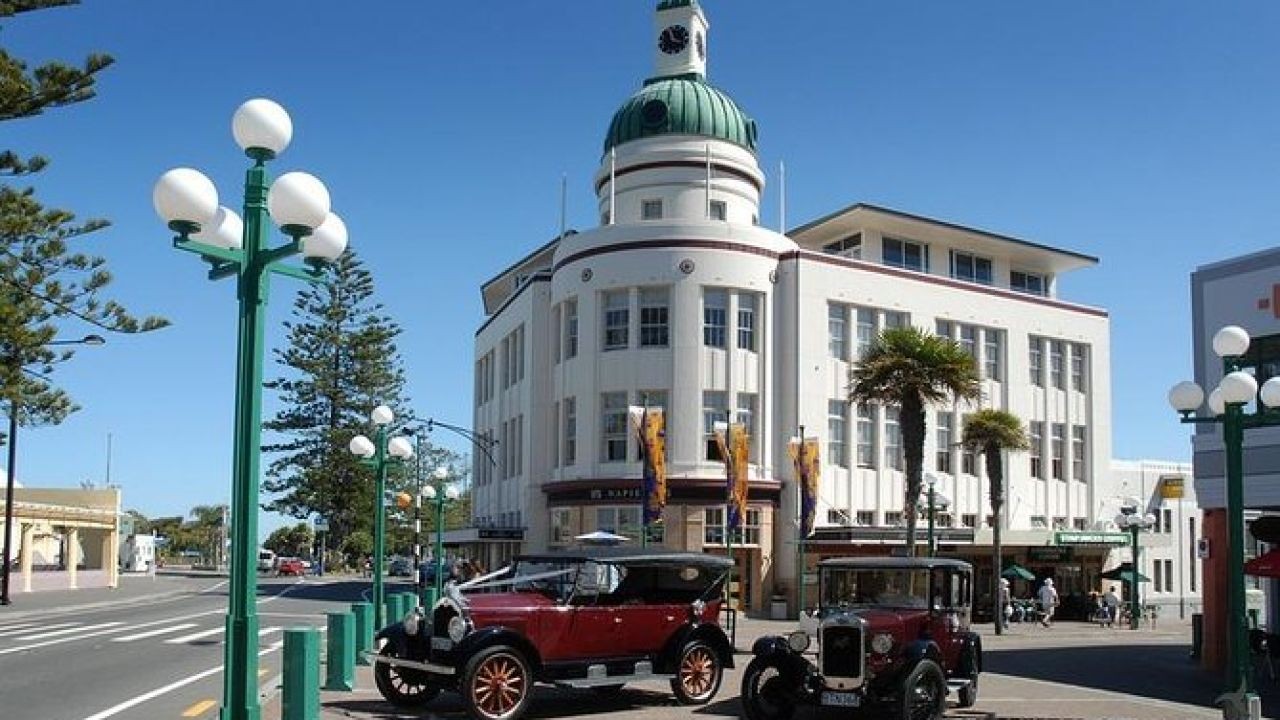
Napier's Art Deco Festival serves as a prime example of how targeted video marketing can enhance tourism. The festival's promotional videos highlight the city's unique architectural style, attracting thousands of visitors annually. This not only boosts local businesses but also increases international awareness, making Napier a must-visit destination for architecture enthusiasts.
Driving Engagement Through Authentic Content
Authenticity in video content is key to building trust and engagement. Napier and Hawke's Bay have successfully depicted real-life stories and testimonials from local winemakers, chefs, and artists, creating a genuine connection with viewers. This approach aligns with global trends where travelers increasingly seek authentic experiences over commercialized tourism.
Data-Driven Insights: Tourism's Economic Impact
According to Stats NZ, tourism contributes significantly to New Zealand's economy, accounting for 5.8% of GDP in 2022. The Ministry of Business, Innovation, and Employment (MBIE) reported that international visitors spent NZD 17.2 billion, with a notable portion directed towards cultural and culinary experiences. These data points underscore the potential for investors looking to capitalize on the growing demand for niche tourism sectors.
Pros and Cons of Video Marketing in Tourism
Pros:
- Increased Reach: Videos can reach a global audience, increasing the visibility of Napier and Hawke's Bay.
- Emotional Appeal: Videos evoke emotions that can inspire travel decisions.
- Enhanced Storytelling: Visual content allows for dynamic storytelling, showcasing the region's unique offerings.
- Higher Engagement: Videos tend to have higher engagement rates than static content.
- Measurable Impact: Video performance metrics provide actionable insights for marketing strategies.
Cons:
- High Production Costs: Quality video production can be expensive and resource-intensive.
- Regulatory Challenges: Compliance with advertising standards can be complex.
- Over-Saturation Risk: In a crowded digital space, standing out can be challenging.
- Privacy Concerns: Filming requires careful consideration of privacy laws.
- Technical Barriers: High-quality video requires technical expertise and equipment.
Common Myths & Mistakes in Tourism Video Marketing
Myth 1: "Longer videos are more engaging."
Reality: Short, impactful videos are more likely to retain viewer attention. According to Vidude.com Analytics, viewer engagement drops by 20% in videos over two minutes long.
Myth 2: "High production value is all that matters."
Reality: While quality is important, authenticity and storytelling resonate more with viewers. A 2023 study by Consumer NZ found that 70% of audiences prefer relatable, authentic content over polished production.
Myth 3: "Videos should focus solely on attractions."
Reality: Highlighting local stories and experiences creates a more compelling narrative, driving deeper engagement and interest.
Contrasting Viewpoints: Traditional vs. Digital Marketing
In the tourism sector, there's an ongoing debate between traditional and digital marketing approaches.
Advocate View: Embracing Digital
Proponents argue that digital marketing offers unparalleled reach and measurability. With tools like Google Analytics, brands can track engagement and optimize strategies in real-time, making digital a preferred choice for modern marketers.
Critic View: Value of Traditional Methods
Critics highlight the lasting impact of traditional methods like print and TV advertising, which can reach audiences less engaged with digital platforms. They argue that these methods build brand recognition and trust, especially in older demographics.
Middle Ground
A hybrid approach that combines the immediacy of digital with the trust-building capabilities of traditional marketing may offer the best results, catering to diverse audience preferences and maximizing reach.
Future Trends & Predictions in Tourism Marketing
The tourism industry is poised for significant shifts driven by technological advancements and changing consumer preferences. By 2028, it's predicted that 70% of all tourism marketing will be immersive, utilizing AR and VR technologies to offer virtual previews of destinations (Source: Deloitte Travel Insights 2024). This trend could redefine how Napier and Hawke's Bay engage potential visitors, offering them a taste of the experience before they even book a ticket.
Final Takeaways & Call to Action
- Fact: Tourism contributes 5.8% to New Zealand's GDP, highlighting its economic significance.
- Strategy: Invest in authentic, story-driven video content to engage modern travelers.
- Mistake to Avoid: Overlooking the value of short, impactful videos can lead to audience disengagement.
- Pro Tip: Utilize analytics to continuously refine video marketing strategies for better ROI.
To stay ahead in tourism marketing, consider integrating the latest digital trends and technologies into your strategy. Engage with us on your thoughts—how do you see the future of tourism marketing in New Zealand evolving?
People Also Ask (FAQ)
How does video marketing impact tourism in New Zealand?
Video marketing enhances engagement and visibility, leading to increased tourism revenue. According to NZ Business Insights, regions utilizing video marketing see a 25% increase in visitor numbers.
What are the biggest misconceptions about tourism videos?
A common myth is that high production quality is paramount. However, research shows that authenticity and storytelling drive higher engagement.
What are the best strategies for creating effective tourism videos?
Experts recommend focusing on authenticity, leveraging local stories, and utilizing analytics to refine content for maximum impact.
Related Search Queries
- Napier tourism marketing strategies
- Hawke's Bay wine tourism growth
- Impact of video marketing on travel
- New Zealand culinary tourism trends
- Art tourism in Napier and Hawke's Bay
- Authentic experiences in New Zealand tourism
- Future of tourism marketing
- VR and AR in tourism
- Digital vs. traditional marketing in tourism
- New Zealand's economic impact of tourism
For the full context and strategies on Why Napier and Hawke’s Bay Tourism Videos Drive Food, Wine, and Art Tourism, see our main guide: Luxury Tourism Videos Attract High Value Visitors.