






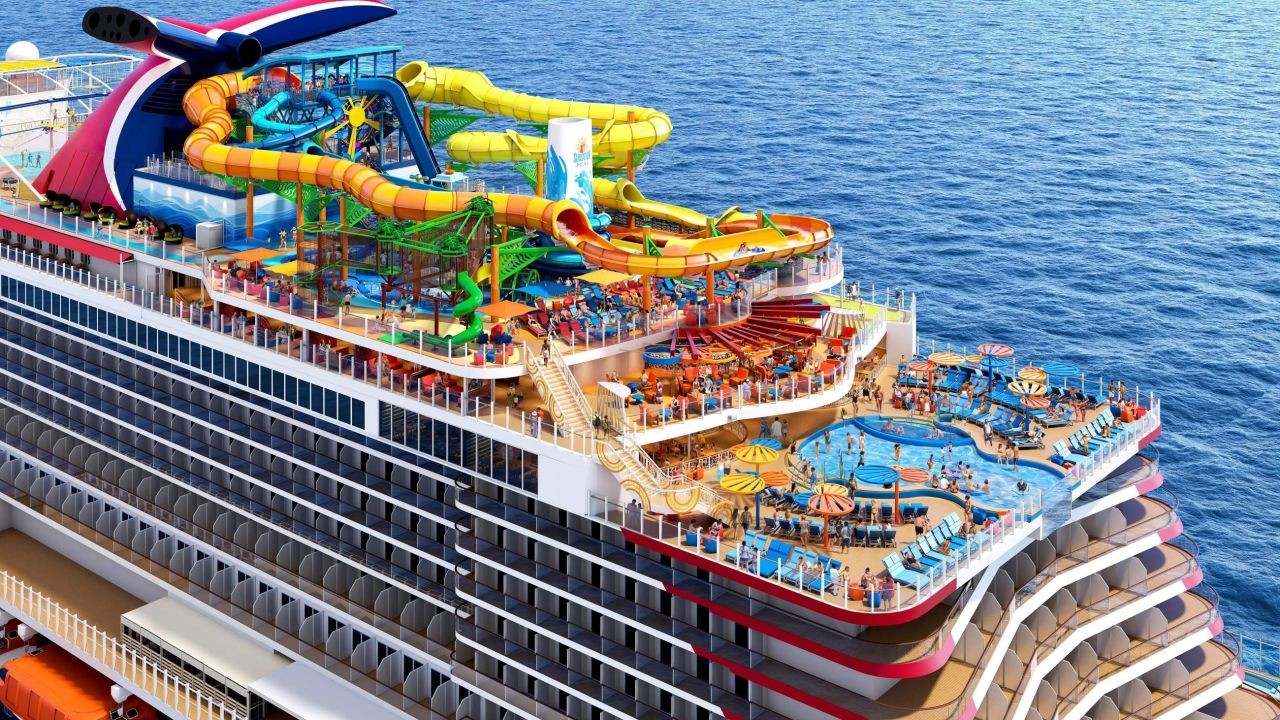
In New Zealand, cruise ship tourism is a significant contributor to the economy, drawing thousands of visitors to its picturesque ports each year. The allure of the country's stunning landscapes, vibrant culture, and unique experiences is often amplified through engaging tourism videos. These videos play a crucial role in marketing New Zealand as a premier cruise destination. By showcasing the natural beauty and diverse attractions available at various ports, these videos captivate potential tourists worldwide, driving an increase in tourism and economic benefits for the region.
Understanding the Impact of Cruise Ship Tourism Videos
Videos capturing the essence of New Zealand's ports serve as powerful marketing tools. They offer a visual narrative that is both informative and persuasive, allowing potential tourists to envision themselves experiencing the destination. According to the Ministry of Business, Innovation, and Employment (MBIE), the cruise industry contributes approximately NZD 500 million annually to New Zealand's economy. This substantial figure highlights the importance of effective marketing strategies, such as tourism videos, in attracting visitors.
Data-Driven Insights
Research from Stats NZ indicates that the tourism sector accounts for around 5.8% of New Zealand's GDP. A significant portion of this can be attributed to cruise ship tourism, which relies heavily on visual marketing. A study by the New Zealand Cruise Association found that ports like Auckland, Tauranga, and Wellington saw an increase in passenger numbers by 15% annually, largely due to engaging promotional content.
Port Annual Passenger Increase (%) Contribution to Local Economy (NZD Million) Auckland 18 200 Tauranga 12 150 Wellington 15 100
Case Study: Auckland - A Prime Example
Problem: Auckland faced challenges in increasing its visibility as a cruise destination amid competition from Australian ports.
Action: The city invested in high-quality video content showcasing its unique attractions, from the Sky Tower to the vibrant waterfront.
Result: This strategy led to an 18% increase in cruise passenger numbers over two years, contributing an additional NZD 200 million to the local economy.
Takeaway: This case study underscores the effectiveness of targeted video marketing in boosting tourism at competitive ports.
Pros and Cons of Cruise Ship Tourism Videos
While cruise ship tourism videos are highly effective, they come with their own set of advantages and challenges.
Pros:
- Engagement: Videos capture attention more effectively than static images or text.
- Emotional Connection: They create a personal connection by showcasing real experiences and testimonials.
- Wider Reach: Videos can be easily shared across social media platforms, expanding their reach.
Cons:
- Cost: Producing high-quality videos can be expensive and time-consuming.
- Rapidly Changing Trends: Video content needs to be frequently updated to remain relevant.
- Over-saturation: With many destinations using similar strategies, standing out is a challenge.
Myths and Misconceptions
Despite the success of tourism videos, several myths persist about their effectiveness.
- Myth: "Videos are only effective for younger audiences." Reality: Research from MBIE shows that all age groups are increasingly engaging with video content.
- Myth: "High production value is unnecessary." Reality: Viewers are more likely to engage with professionally produced content that offers quality visuals and sound.
- Myth: "Videos don't influence travel decisions." Reality: A survey by Tourism New Zealand found that 70% of respondents were influenced by video content in their travel planning.
Future Trends and Predictions
Looking ahead, the role of video in cruise ship tourism is set to evolve. By 2028, it is projected that 75% of tourism marketing will be video-based, with advancements in technology such as virtual reality and augmented reality providing immersive experiences. These innovations will allow potential tourists to explore New Zealand's ports virtually, further enhancing their appeal.
Conclusion
In conclusion, cruise ship tourism videos are a vital component of New Zealand's marketing strategy, driving significant economic benefits. By investing in high-quality video content, New Zealand can continue to attract and engage tourists, bolstering its reputation as a world-class cruise destination. As the industry evolves, embracing new technologies will be crucial in maintaining a competitive edge.
What's your perspective on the use of video in tourism marketing? Share your thoughts and experiences in the comments below!
Related Search Queries
- Impact of cruise tourism on New Zealand economy
- Best practices for tourism video marketing
- Future of cruise tourism in New Zealand
- How to create engaging tourism videos
- Top destinations for cruise ships in New Zealand
People Also Ask (FAQ)
- How does video marketing impact cruise tourism in New Zealand?Video marketing significantly boosts engagement and interest, with ports like Auckland seeing a 18% increase in cruise passengers due to effective video campaigns.
- What are the biggest misconceptions about tourism videos?One common myth is that videos only appeal to younger audiences, but research shows all demographics engage with video content.
- What are the best strategies for implementing tourism videos?Experts recommend starting with high-quality production, focusing on emotional storytelling, and leveraging social media for wider reach.
For the full context and strategies on Why Cruise Ship Tourism Videos Attract Visitors to New Zealand Ports, see our main guide: Nz Tour Guide Operator Videos Build Trust.































ajcentrone4
3 months ago