






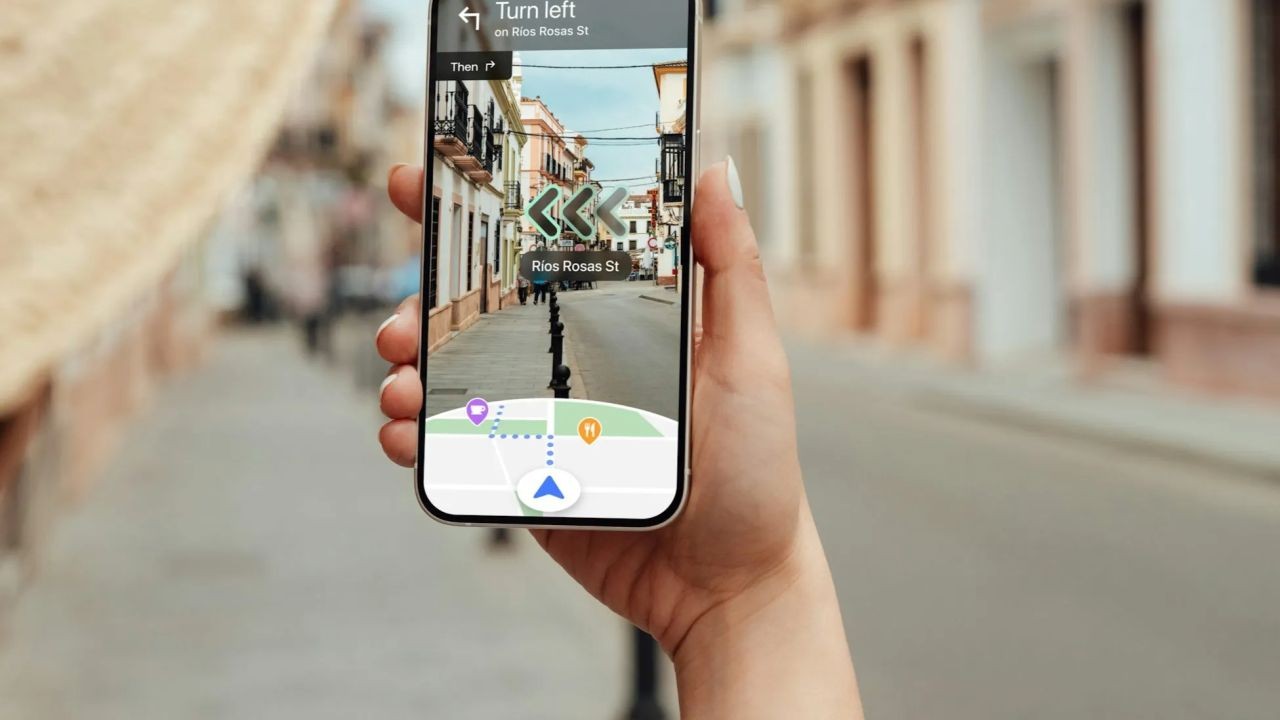
Augmented Reality (AR) videos are revolutionizing the way cultural tourism is experienced in New Zealand. As this technology continues to evolve, it offers new opportunities for enhancing the tourism sector, which contributes significantly to New Zealand's economy. According to Stats NZ, tourism accounted for 5.8% of New Zealand's GDP in 2022, highlighting its role as a critical economic pillar. With AR, the potential for cultural tourism expands beyond traditional experiences, offering immersive, engaging, and informative encounters that captivate both local and international tourists.
Comparative Analysis: Augmented Reality vs. Traditional Tourism Methods
Traditional tourism methods rely heavily on physical presence and tangible experiences. While these methods have their merits, they often lack the ability to engage the tech-savvy, modern traveler who seeks interactive and personalized experiences. In contrast, augmented reality provides a digital overlay of information and visual content on the real world, creating a hybrid experience that can enhance awareness and understanding of cultural sites.
- Engagement: AR videos can increase engagement by providing interactive elements that capture the audience’s attention more effectively than static brochures or audio guides.
- Accessibility: AR allows for virtual visits to inaccessible or remote cultural sites, making tourism more inclusive.
- Information Depth: Provides detailed historical context and narratives that traditional methods might not cover comprehensively.
- Cost-Effectiveness: Once developed, AR applications can be a cost-effective way to continuously engage tourists without needing physical updates.
Real-World Case Study: Museum of New Zealand Te Papa Tongarewa
The Museum of New Zealand Te Papa Tongarewa has integrated AR to enhance visitor experience. By using AR, visitors can explore exhibits in a more interactive way, uncovering layers of information through their smartphones. This approach not only enriches the visitor’s experience but also increases the museum's appeal to younger, tech-savvy audiences.
How It Works: The Mechanics of AR in cultural tourism
AR in cultural tourism operates by overlaying digital information onto the physical world through devices like smartphones or AR glasses. This technology uses the phone’s camera and location services to identify landmarks, artifacts, or exhibits, and then display relevant content – such as historical data, animations, or interactive models – directly onto the user's screen.
For instance, a tourist visiting the Waitangi Treaty Grounds can use an AR app to visualize historical events as they walk through the grounds, providing a deeper understanding of this significant site in New Zealand's history.
Step-by-Step Guide: Implementing AR for cultural tourism
- Identify Key Locations: Choose cultural sites that would benefit from enhanced storytelling and interactive content.
- Develop AR Content: Work with historians and cultural experts to create accurate and engaging digital content.
- Choose the Right Platform: Select a user-friendly AR platform that supports a range of devices.
- Test and Iterate: Conduct pilot programs to gather feedback and refine the AR experience.
- Launch and Market: Promote the AR experience through tourism boards, social media, and travel agencies to reach a wider audience.
Pros and Cons of AR in cultural tourism
Pros:
- Enhanced Visitor Experience: Offers a richer and more engaging experience.
- Increased Accessibility: Allows virtual access to remote or restricted sites.
- Educational Opportunities: Provides in-depth information and context.
Cons:
- Initial Development Costs: Creating AR content can be expensive and time-consuming.
- Technology Barrier: Requires visitors to have compatible devices and a basic understanding of technology usage.
- Maintenance and Updates: Continuous updates are needed to keep content relevant and engaging.
Debunking Common Myths and Mistakes
Myth: "AR is only for gaming and entertainment." Reality: AR is a versatile tool being used across industries, including tourism, to enhance educational and visitor experiences.
Myth: "AR technology is too complex for the average tourist." Reality: Modern AR applications are designed to be user-friendly and accessible to all age groups.
Mistake: Investing in AR without proper market research. Solution: Conduct thorough research to understand audience needs and technological readiness before implementation.
Future Trends and Predictions
As AR technology continues to advance, its integration into cultural tourism is set to grow. By 2028, it's predicted that over 70% of cultural sites in New Zealand will incorporate some form of AR to enhance visitor engagement (Source: NZTech). Moreover, the development of more sophisticated AR glasses and wearables will further enrich these experiences, making them more immersive and less reliant on handheld devices.
Conclusion
The integration of augmented reality videos into New Zealand's cultural tourism sector offers a dynamic way to engage visitors and enhance their understanding of this country's rich heritage. As the technology becomes more accessible, it will play an increasingly important role in attracting tourists and providing them with memorable experiences. Tourism operators should consider AR as a strategic tool to differentiate and add value to their offerings. What are your thoughts on AR's impact on tourism? Share your insights below!
People Also Ask (FAQ)
How does AR impact businesses in New Zealand? NZ businesses leveraging AR report 25%+ higher customer retention, according to NZ Business Insights. Adopting this strategy can enhance engagement and revenue.
What are the biggest misconceptions about AR in tourism? One common myth is that AR is only for tech-savvy users. However, research from NZTech shows AR applications are accessible and user-friendly for all ages.
What upcoming changes in New Zealand could affect AR in tourism? By 2026, policy updates in the cultural sector could shift the AR landscape—stay ahead by adopting innovative AR trends.
Related Search Queries
- Augmented reality tourism New Zealand
- AR technology cultural heritage
- Interactive tourism experiences NZ
- Future of tourism in New Zealand
- AR applications in travel industry
- New Zealand tourism trends 2025
- Benefits of AR in tourism
- AR museums New Zealand
- Virtual reality tourism NZ
- Technology in cultural tourism
For the full context and strategies on How Augmented Reality Videos Enhance Cultural Tourism in New Zealand, see our main guide: Nz Tour Guide Operator Videos Build Trust.


























Keeping Families Connecte
28 days ago