



The vibrant art scene in New Zealand is a tapestry woven with rich cultural threads dating back centuries. Understanding these roots is essential for appreciating the art that continues to shape the nation’s identity. New Zealand’s art is not only an expression of its diverse culture but also a reflection of its economic and social dynamics. This article delves into the deep cultural roots of New Zealand’s art scene, exploring the influences, trends, and future directions.
Introduction to New Zealand's Art Scene
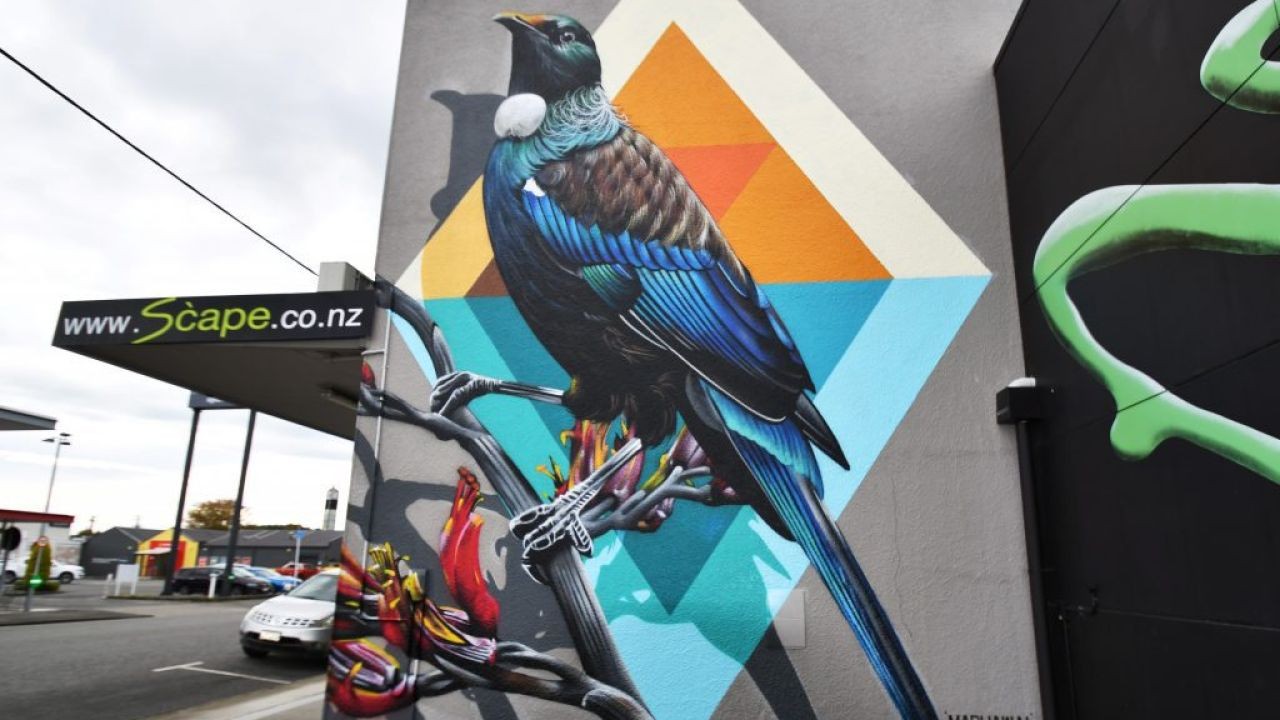
New Zealand’s art scene is a dynamic amalgamation of Māori traditions, European influences, and contemporary innovation. The country’s art is a mirror reflecting its unique cultural diversity. This diversity is not just a backdrop but plays a significant role in shaping the nation’s economy and social fabric. According to Stats NZ, the creative industries contribute significantly to the nation's GDP, highlighting the economic impact of art and culture.
The Historical Context
To truly understand New Zealand’s art scene, one must delve into its historical roots. Māori art, characterized by traditional carving and weaving, plays a pivotal role. These art forms are not mere aesthetic expressions but are deeply embedded in the Māori way of life, embodying spiritual beliefs and social narratives.
The arrival of European settlers introduced new art forms and techniques, leading to a fusion of styles. This blending of cultural expressions laid the groundwork for the contemporary art landscape we see today.
Case Study: Te Papa Tongarewa - The National Museum of New Zealand
Problem: Prior to the establishment of Te Papa Tongarewa in 1998, New Zealand struggled to display its diverse cultural artifacts in a cohesive manner, limiting public engagement.
Action: Te Papa Tongarewa was established as an innovative museum that integrates Māori and European histories, showcasing art that reflects the nation’s cultural diversity.
Result: Visitor numbers have soared, with millions engaging with exhibitions that highlight New Zealand’s rich artistic heritage.
Takeaway: The museum’s success underscores the importance of integrating diverse cultural narratives to foster national identity and community engagement.
Economic Impact of the Arts
The arts have a profound economic impact in New Zealand. According to a report by the Ministry of Business, Innovation, and Employment (MBIE), the creative sector is a substantial contributor to the economy, generating billions in revenue annually. This sector not only provides employment but also attracts international tourism, further boosting the economy.
Data-Driven Insights
- The creative sector contributes approximately 7% to New Zealand’s GDP, as per MBIE.
- Employment in the arts increased by 15% over the past decade, according to Stats NZ.
- Art tourism is on the rise, with cultural events attracting international visitors, contributing significantly to the tourism sector’s revenue.
Contemporary Trends and Future Directions
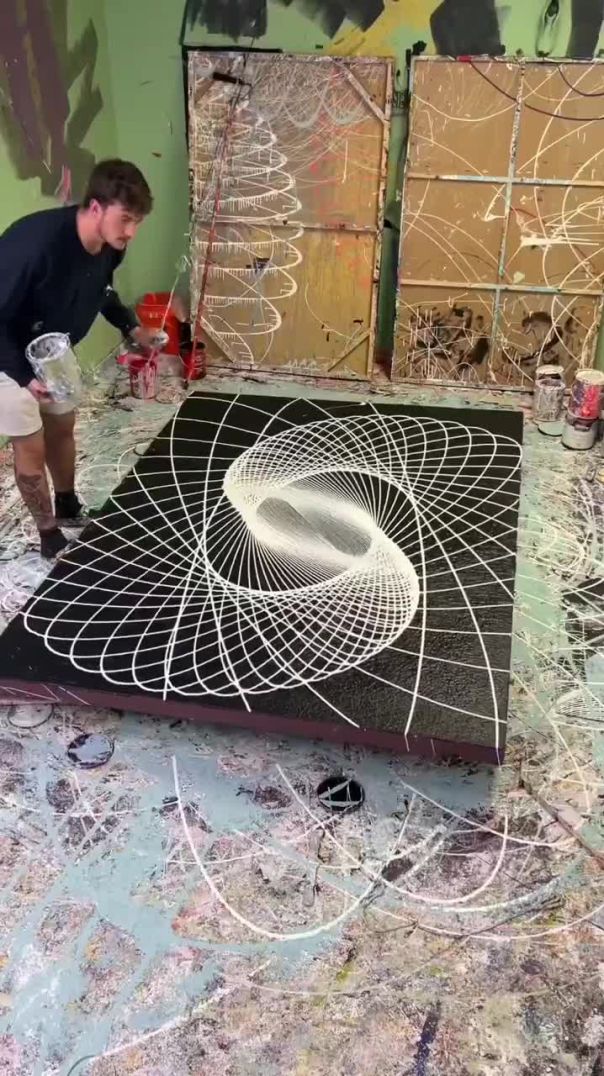
New Zealand’s art scene continues to evolve, influenced by global trends and local innovation. Digital art and virtual exhibitions are gaining traction, offering new ways for artists to engage with audiences.
Moreover, sustainability is becoming a critical focus in the arts. Artists are increasingly exploring eco-friendly materials and practices, aligning with New Zealand’s broader environmental policies.
Pros and Cons Analysis
Pros:
- Innovation: New forms of digital art enhance creativity and accessibility.
- Environmental Impact: Sustainable practices reduce ecological footprints.
- Cultural Preservation: Digital platforms help preserve traditional art forms.
Cons:
- Digital Divide: Not all artists have access to digital tools.
- Authenticity Concerns: Digital reproductions may lack the tactile experience of traditional art.
- Cultural Appropriation: The global reach of digital art raises issues of cultural sensitivity and appropriation.
Common Myths & Mistakes
- Myth: "Art doesn’t contribute significantly to the economy." Reality: The creative sector is a major economic contributor in New Zealand, generating substantial revenue and employment.
- Myth: "Traditional art forms are outdated." Reality: Traditional Māori art remains a vibrant and essential part of New Zealand’s cultural identity.
- Myth: "Digital art lacks depth." Reality: Digital art offers new dimensions of creativity and engagement, expanding the possibilities for artists and audiences alike.
Future Trends & Predictions
The future of New Zealand’s art scene lies in its ability to adapt and innovate. As digital technologies evolve, artists will find new platforms for expression. Additionally, the focus on sustainability will drive artists to explore eco-friendly practices, aligning with New Zealand’s commitment to environmental stewardship.
According to a Deloitte report, the integration of technology in the arts is expected to grow by 30% over the next five years, offering new opportunities for engagement and innovation.
Conclusion
Understanding the deep cultural roots of New Zealand’s art scene is essential for appreciating its current dynamics and future potential. The art scene is a vibrant tapestry that reflects the nation’s diverse cultural heritage and economic contributions. As New Zealand continues to evolve, so too will its art, offering new opportunities for engagement and expression.
What’s your perspective on the future of New Zealand’s art scene? Share your thoughts below!
Related Search Queries
- New Zealand art history
- Māori art significance
- Economic impact of art in NZ
- Contemporary art trends NZ
- Sustainability in art



























rainbowaudio
2 months ago