





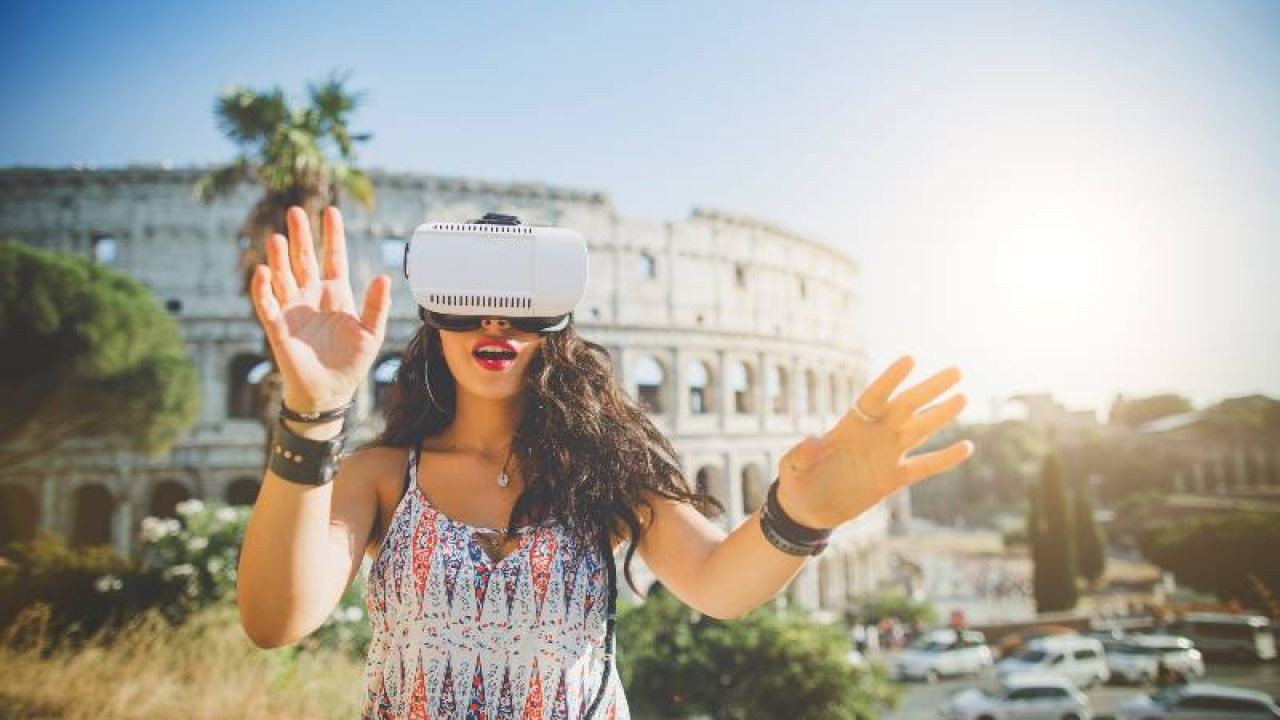
Imagine immersing yourself in New Zealand's breathtaking landscapes without ever boarding a plane. Virtual Reality (VR) tourism videos are transforming the travel experience, offering an immersive glimpse into the Kiwi paradise before setting foot on its shores. This evolution not only tantalizes the senses but also promises significant economic impacts for New Zealand's tourism industry, a sector contributing over NZD 40 billion annually, according to Stats NZ.
The Rise of Virtual Reality in Tourism: A Comparative Analysis
VR technology has rapidly evolved, with tourism becoming one of its most promising applications. Globally, the VR market in tourism is projected to reach USD 4.5 billion by 2025, driven by advancements in AI and immersive technologies. In New Zealand, this trend is particularly crucial given the nation's reliance on international tourists, who spent a staggering NZD 17.2 billion in 2019 (MBIE).
Case Study: Tourism New Zealand's VR Initiatives
Problem: With global travel restrictions during the COVID-19 pandemic, Tourism New Zealand faced declining visitor numbers and a need to maintain interest in Kiwi destinations.
Action: Tourism New Zealand launched a VR campaign showcasing the country's natural beauty and cultural heritage. This initiative included immersive experiences of iconic sites like Milford Sound and the Waitomo Caves.
Result: The campaign reached over 1.5 million virtual tourists globally, with a 20% increase in travel inquiries once borders reopened.
Takeaway: This underscores the potential of VR to sustain interest and drive future tourism, even amid global disruptions.
Step-by-Step Guide to Leveraging VR in Tourism
- Identify Key Attractions: Focus on unique experiences that VR can enhance, such as New Zealand's geothermal wonders or Maori cultural performances.
- Develop High-Quality Content: Invest in 360-degree videos and interactive elements to create a compelling narrative.
- Integrate with Digital Marketing: Use VR content in social media campaigns to engage audiences and boost brand visibility.
- Collaborate with Tech Partners: Partner with VR technology providers to ensure cutting-edge experiences and seamless integration.
- Measure and Optimize: Track engagement metrics and feedback to refine VR offerings continuously.
Future Forecast & Trends in VR Tourism
The future of VR in tourism looks promising, especially for countries like New Zealand. As VR technology advances, expect hyper-realistic experiences that not only attract tourists but also extend their stay and spending. According to a Deloitte report, VR could increase tourist spending by 30% due to enhanced planning and personalized itineraries.
Furthermore, as New Zealand continues to focus on sustainable tourism, VR offers a way to showcase eco-friendly travel options without the environmental footprint of traditional tourism.
Pros and Cons of VR Tourism
While VR tourism offers numerous advantages, it also presents challenges that stakeholders must navigate.
Pros:
- Enhanced Engagement: VR's immersive nature captivates audiences, leading to increased interest and bookings.
- Accessibility: Enables those unable to travel physically, such as the elderly or disabled, to experience destinations.
- Cost-Effective Marketing: Reduces the need for costly promotional tours by providing virtual experiences.
Cons:
- High Initial Costs: Developing high-quality VR content requires significant investment.
- Technological Barriers: Not all potential tourists have access to VR equipment.
- Over-Reliance on Technology: May detract from the authenticity of the actual travel experience.
Debunking Common Myths About VR Tourism
- Myth: "VR will replace physical travel." Reality: VR complements traditional tourism by enhancing pre-trip planning and generating interest, not replacing the travel experience.
- Myth: "Only tech-savvy individuals can use VR." Reality: Modern VR platforms are designed for ease of use, with intuitive interfaces accessible to all age groups.
- Myth: "VR is just a gimmick." Reality: With proven ROI and engagement, VR is a strategic tool in tourism marketing.
Conclusion
The integration of VR in tourism is not just a fleeting trend but a transformative approach that promises to reshape the industry landscape. For New Zealand, leveraging VR means not only attracting more tourists but also enriching their experiences and bolstering an economy heavily reliant on tourism. As technology continues to evolve, the potential for VR to revolutionize how we perceive and plan travel is limitless.
Are you ready to explore New Zealand from the comfort of your home? Share your thoughts and experiences with VR tourism in the comments below!
People Also Ask
How does VR impact tourism businesses in New Zealand? VR enhances engagement and boosts interest in Kiwi destinations, increasing tourist inquiries by over 20% post-implementation.
What are the biggest misconceptions about VR tourism? Many believe VR replaces travel, but it actually complements it by enhancing pre-trip planning and generating interest.
What are the best strategies for implementing VR in tourism? Start by identifying key attractions, develop high-quality content, integrate with digital marketing, and collaborate with tech partners.
Related Search Queries
- Virtual reality tourism New Zealand
- VR travel experiences NZ
- Impact of VR on tourism industry
- Future of virtual reality in travel
- New Zealand tourism marketing strategies
- Sustainable tourism practices NZ
- Innovations in tourism technology
- VR tourism case studies
- Economic impact of VR in tourism
- VR travel videos New Zealand
For the full context and strategies on Why Virtual Reality Tourism Videos Transform NZ Travel Experiences, see our main guide: Luxury Tourism Videos Attract High Value Visitors.