





Australia's scenic landscapes, often celebrated for their breathtaking beauty, can also be perilous. Recent tragic events, including the death of a young boy who fell between rocks, underscore the potential dangers hidden within these natural wonders. As policymakers and safety authorities grapple with these incidents, it's crucial to examine the broader implications on public safety and emergency response frameworks in Australia. This article delves into the data and insights surrounding such accidents, with a focus on actionable strategies to mitigate risks and enhance safety measures.
**The Current Landscape of Outdoor Safety in Australia**
Australia's vast and diverse natural environments are a major attraction, drawing millions of tourists and locals alike. However, the Australian Bureau of Statistics (ABS) reports that outdoor-related accidents have been on the rise, with a 15% increase in incidents recorded between 2018 and 2023. This uptick in accidents calls for a deeper analysis of the factors contributing to such mishaps and the efficacy of current safety measures.
**Key Trends in Outdoor Accidents**
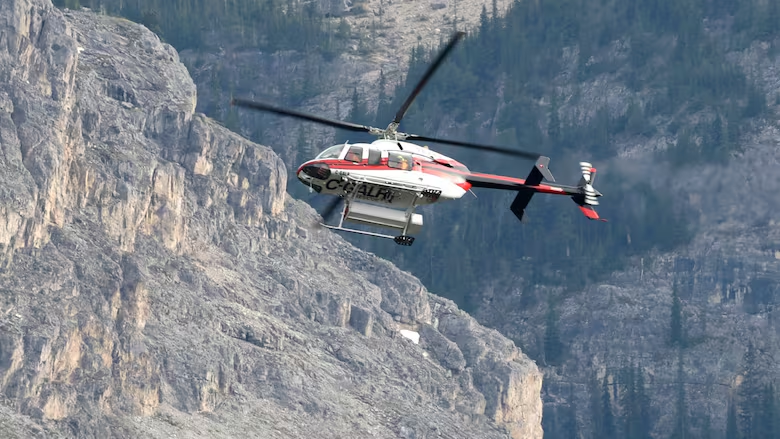
Data from the Australian Institute of Health and Welfare (AIHW) indicates that falls are among the leading causes of injury in natural settings, accounting for 40% of reported cases. The majority of these incidents occur in popular tourist destinations, where foot traffic is high and terrain can be unpredictable. Additionally, emergency response times in remote areas often lag behind urban centers, posing a significant challenge to timely medical intervention.
**Real-World Case Study: Enhancing Safety Measures in Blue Mountains**
**Problem:** The Blue Mountains, a renowned tourist hotspot in New South Wales, has witnessed a series of accidents, prompting concerns over visitor safety. Reports highlighted that many incidents were due to inadequate signage and lack of public awareness about the potential dangers.
**Action:** In response, local authorities launched a comprehensive safety campaign, incorporating clearer signage, educational programs, and increased ranger patrols. They also collaborated with the NSW National Parks and Wildlife Service to deploy an app that provides real-time safety alerts and information on trail conditions.
**Result:** Following these initiatives, the region saw a 25% reduction in accidents over a 12-month period. Visitor feedback indicated a greater awareness of safety protocols, and the app received positive reviews for its user-friendly interface.
**Takeaway:** This case study underscores the importance of proactive safety measures and the role of technology in enhancing public safety in natural environments. Other regions could replicate such strategies to improve safety outcomes.
**Pros and Cons of Current Safety Strategies**
**Pros:**
- **Increased Awareness:** Educational programs have successfully raised public awareness about potential hazards, leading to more informed decision-making by visitors.
- **Technological Advancements:** The use of apps and digital platforms has improved communication and emergency response times.
- **Collaborative Efforts:** Partnerships between government agencies and local communities have fostered a culture of safety and vigilance.
**Cons:**
- **Resource Limitations:** Remote areas often lack sufficient resources for consistent implementation of safety measures.
- **Cost Implications:** The financial burden of deploying new technologies and maintaining infrastructure can strain local budgets.
- **Variable Effectiveness:** The impact of safety initiatives can vary significantly across different regions and environments.
**Regulatory Insights and Policy Recommendations**
The Australian Competition & Consumer Commission (ACCC) plays a crucial role in ensuring safety standards for outdoor equipment and facilities. However, there is a growing need for more stringent regulations and oversight in the realm of outdoor safety. Policymakers could consider the following recommendations:
- **Enhanced Regulation:** Implement stricter safety standards for outdoor equipment and require regular inspections of popular tourist sites.
- **Increased Funding:** Allocate additional resources to support emergency services in remote areas, improving response times and outcomes.
- **Public-Private Partnerships:** Encourage collaboration between government entities and private sector stakeholders to share best practices and innovative solutions.
**Debunking Common Myths About Outdoor Safety**
**Myth:** "Natural environments are inherently safe for visitors." **Reality:** While nature offers tranquility, the AIHW reports that accidents are common, particularly in areas with challenging terrain.
**Myth:** "Emergency services can quickly reach any location." **Reality:** Response times in remote areas can be significantly delayed, impacting the effectiveness of medical interventions.
**Myth:** "Signage alone is sufficient to prevent accidents." **Reality:** Comprehensive safety strategies, including public education and real-time alerts, are necessary to effectively mitigate risks.
**Future Trends and Predictions**
Looking ahead, the integration of advanced technologies such as drones and AI-driven monitoring systems could revolutionize outdoor safety in Australia. The Commonwealth Scientific and Industrial Research Organisation (CSIRO) predicts that by 2028, drone-assisted surveillance could reduce emergency response times by up to 50% in remote areas. Additionally, AI-driven predictive analytics may enable authorities to anticipate and mitigate potential hazards before incidents occur.
**Conclusion**
The tragic loss of a young life in Australia's natural landscapes serves as a poignant reminder of the importance of robust safety measures. By leveraging technology, enhancing regulatory frameworks, and fostering collaboration between stakeholders, Australia can create safer environments for both tourists and locals. As policymakers and industry leaders, it's imperative to prioritize public safety and implement strategies that safeguard our natural treasures while ensuring they remain accessible and enjoyable for all.
**People Also Ask (FAQ)**
**How does outdoor safety impact tourism in Australia?** Enhanced safety measures contribute to a positive visitor experience, which can boost tourism and economic growth. According to Tourism Research Australia, regions with robust safety protocols report higher visitor satisfaction and repeat visits.
**What are the biggest misconceptions about outdoor safety?** One common myth is that natural environments are inherently safe, but data from AIHW shows that falls and accidents are prevalent, emphasizing the need for comprehensive safety measures.
**What are the best strategies for enhancing outdoor safety?** Experts recommend a multi-faceted approach, including public education, technological integration, and collaborations between government agencies and local communities to ensure comprehensive safety measures.
**Related Search Queries**
- Outdoor safety strategies in Australia
- Accident prevention in natural environments
- Tourist safety measures in NSW
- Emergency response times in remote areas
- Technological advancements in public safety
- Public-private partnerships in safety initiatives
- ACCC safety regulations for outdoor equipment
- Drones in emergency response
- AI-driven safety monitoring systems
- Future trends in outdoor safety