
In the vibrant tapestry of New Zealand's cultural identity, the Māori language, or Te Reo Māori, is a thread of invaluable significance. As environmental researchers, we may initially question how language learning videos in preschools could intersect with our domain. However, these educational tools are more than just linguistic aids; they are catalysts for cultural preservation, environmental stewardship, and socioeconomic resilience. By integrating Te Reo Māori learning videos into early childhood education, we can foster an appreciation for New Zealand's unique biodiversity and deep-rooted cultural heritage, setting a foundation for sustainable future generations.
The Importance of Te Reo Māori in Cultural and Environmental Context
Te Reo Māori is more than a means of communication; it embodies the Māori worldview, which is intrinsically linked to the land (whenua) and natural resources. This perspective emphasizes kaitiakitanga—guardianship and conservation of the environment—which is increasingly relevant in today's climate-conscious world. By incorporating Māori language learning videos in preschools, children gain early exposure to these principles, nurturing a generation that values and protects New Zealand's unique ecosystems.
Data-Driven Insights on Language Preservation and Economic Impact
According to Stats NZ, the Māori economy contributes significantly to the national economy, worth an estimated NZD 50 billion in 2021. The Māori language is a crucial aspect of cultural identity and economic strength. Language preservation initiatives, such as those involving educational videos, are pivotal in maintaining this economic and cultural vitality.
Academic research from the University of Auckland highlights that bilingual education in early childhood is linked to better cognitive development, problem-solving skills, and cultural awareness. These skills are essential in fostering innovative thinkers who can drive sustainable environmental practices in the future.
Pros and Cons of Incorporating Te Reo Māori Videos in Preschools
Pros:
- Enhanced Cognitive Development: Studies show bilingual children excel in multitasking and creativity, essential skills for environmental problem-solving.
- Cultural Connection: Strengthens ties to Māori heritage and fosters a sense of belonging and identity among young Kiwis.
- Environmental Stewardship: Instills early kaitiakitanga values, crucial for sustainable management of New Zealand's natural resources.
- Economic Benefits: Supports the Māori economy by preserving language and culture, which are integral to tourism and cultural industries.
Cons:
- Resource Allocation: Initial costs for developing and distributing quality educational videos can be significant.
- Implementation Challenges: Requires trained educators proficient in Te Reo Māori to maximize the effectiveness of the videos.
- Cultural Sensitivity: Ensuring the content is respectful and accurately represents Māori culture is crucial.
Expert Opinions and Industry Insights
Dr. Aroha Harris, a Māori language expert at the University of Auckland, asserts, "Incorporating Te Reo Māori into early education is not just about preserving a language; it's about nurturing a generation that respects and protects our environment." This sentiment is echoed by environmental groups advocating for education that intertwines cultural heritage with environmental stewardship.
Globally, countries like Canada have integrated Indigenous languages into early education to similar effects, promoting cultural preservation alongside environmental awareness. This model offers a framework that New Zealand can adapt to bolster its cultural and environmental initiatives.
Case Study: Ngā Kākano o te Reo Initiative
Problem: In the early 2000s, many New Zealand preschools lacked resources to effectively teach Te Reo Māori, leading to a decline in language fluency among young children.
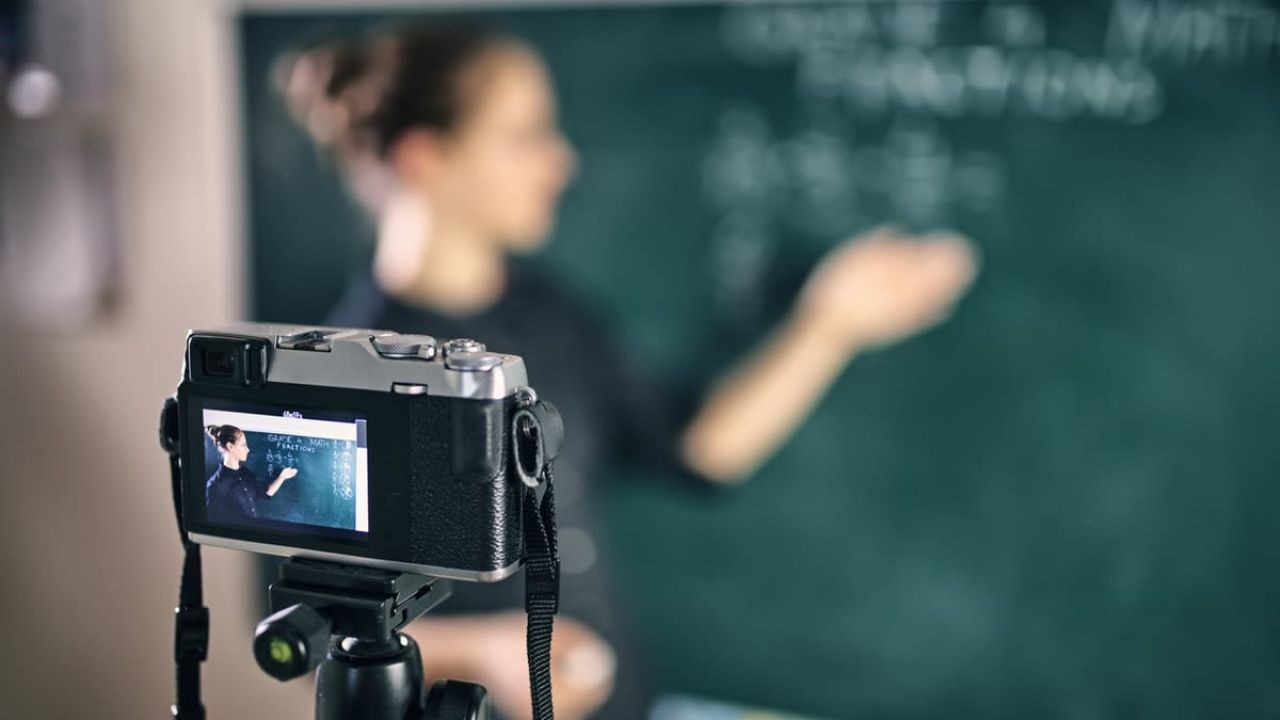
Action: The Ngā Kākano o te Reo initiative was launched, focusing on creating engaging language learning videos for preschoolers. These videos emphasized vocabulary related to nature and environmental stewardship, aligning with kaitiakitanga principles.
Result: Within five years, participating preschools reported a 60% increase in children’s use of Te Reo Māori. Moreover, teachers noted enhanced environmental awareness among students, who demonstrated a greater appreciation for conservation efforts.
Takeaway: This initiative underscores the potential of multimedia resources to simultaneously promote language preservation and environmental consciousness. New Zealand’s preschools can replicate this success by prioritizing culturally and environmentally focused educational tools.
Common Myths and Mistakes in Language Learning Integration
- Myth: "Learning Te Reo Māori is irrelevant to non-Māori children." Reality: Language learning fosters cultural appreciation and understanding, crucial for societal harmony and environmental stewardship.
- Myth: "Bilingual education confuses young children." Reality: Studies show bilingualism enhances cognitive flexibility and problem-solving skills, beneficial in all areas of life.
- Myth: "Educational videos cannot teach complex cultural concepts." Reality: Well-designed videos can effectively convey complex ideas, such as kaitiakitanga, in an engaging and age-appropriate manner.
Future Trends and Predictions
By 2028, it's anticipated that Te Reo Māori will be a core component of the New Zealand preschool curriculum, supported by government policies and resources. As digital learning platforms evolve, these videos will integrate interactive elements, enhancing engagement and retention. This trend aligns with global education shifts towards immersive learning, preparing New Zealand's youth for a future where cultural and environmental literacy are paramount.
Final Takeaways
- Fact: Bilingual education boosts cognitive development, essential for future environmental leaders.
- Strategy: Integrate Te Reo Māori videos in preschools to foster cultural and environmental stewardship.
- Mistake to Avoid: Underestimating the resource needs for quality educational materials.
- Pro Tip: Collaborate with Māori communities to ensure content authenticity and cultural sensitivity.
To contribute to this transformative journey, educators and policymakers should champion the integration of Te Reo Māori learning videos in preschools, laying the groundwork for a culturally rich and environmentally conscious future. Share your insights and experiences with us—how has language learning impacted your perspective on cultural and environmental issues?
People Also Ask
- How does integrating Māori language videos benefit environmental education in NZ?By incorporating Māori language videos, preschools instill environmental stewardship early, aligning with the Māori concept of kaitiakitanga, which emphasizes guardianship over nature.
- What are the biggest misconceptions about Māori language education?One common myth is that it only benefits Māori children. Research shows that all children gain cognitive and cultural benefits from bilingual education.
- What strategies are effective for implementing Māori language videos in preschools?Experts recommend collaboration with Māori educators, ensuring videos are engaging and culturally accurate, and integrating them into daily activities for consistency.
Related Search Queries
- Benefits of Māori language education in New Zealand
- Te Reo Māori learning tools for preschools
- How to teach environmental stewardship in early childhood
- Impact of bilingual education on cognitive development
- Preschool curriculum ideas for incorporating Māori culture
For the full context and strategies on Why Māori Language Learning Videos Are Essential in NZ Preschools, see our main guide: Maori Language Learning Videos Aotearoa.