






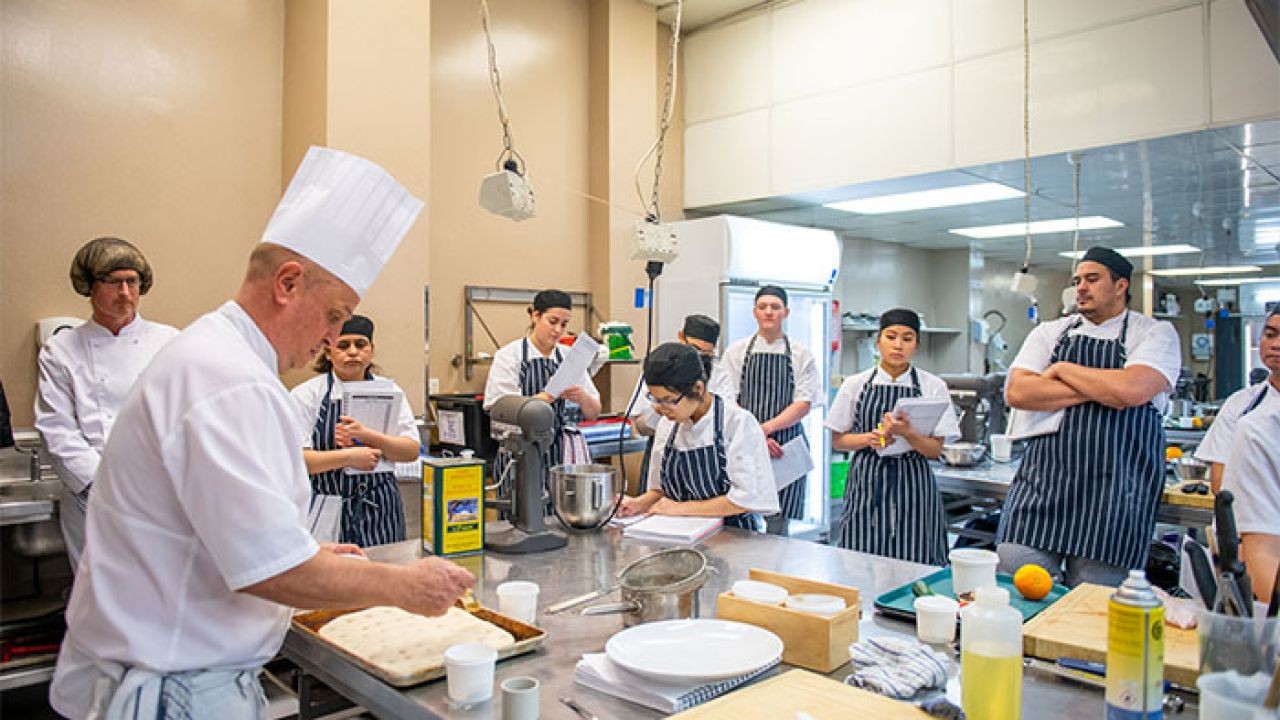
New Zealand's hospitality industry is undergoing a transformative era, driven by an innovative educational tool: culinary training videos. These digital resources are not only shaping the future workforce but also significantly contributing to the country's economic landscape. But why are these videos so compelling? And how do they inspire students to join a sector notorious for its challenges?
The Rise of Culinary Training Videos in New Zealand
Over the past decade, the hospitality industry in New Zealand has experienced a seismic shift. With tourism contributing over $17 billion to the national GDP (Stats NZ, 2023), the demand for skilled culinary professionals has intensified. Enter culinary training videos—a medium that has revolutionized traditional education methods by offering accessible, flexible, and engaging learning experiences.
Why Culinary Videos Are Winning Hearts
- Accessibility: Unlike conventional culinary schools, videos are available at the click of a button, reaching students across New Zealand, from bustling Auckland to remote South Island towns.
- Visual Engagement: Learning through videos caters to various learning styles, making complex culinary techniques easier to grasp and retain.
- Cost-Effectiveness: With educational costs rising (Reserve Bank of NZ, 2023), videos provide a budget-friendly alternative, minimizing tuition expenses and associated costs.
Data-Driven Insights: The Economic Impact
According to the Ministry of Business, Innovation, and Employment (MBIE), the hospitality sector is projected to grow by 3.5% annually over the next five years. Culinary training videos play a crucial role in this growth by equipping students with the skills and confidence to enter the workforce more rapidly and effectively.
Case Study: Success Through Digital Education
Case Study: Kiwi Culinary Institute – Bridging the Skills Gap
Problem: The Kiwi Culinary Institute, faced with declining enrollment rates and a shortage of skilled chefs, needed a solution to attract and train new talent efficiently.
Action: The institute launched a series of interactive culinary training videos, incorporating both foundational and advanced cooking techniques.
Result: Within 12 months, enrollment rates increased by 25%, and graduates reported a 30% higher job placement rate compared to traditional training methods.
Takeaway: This case study underscores the potential of digital education to address workforce shortages and enhance skill acquisition in the hospitality sector.
Debate: The Role of Traditional vs. Digital Education
While culinary training videos offer numerous advantages, they are not without their critics. Traditionalists argue that the tactile experience of hands-on training in a kitchen setting cannot be replicated digitally. However, advocates for digital education highlight its scalability and potential to democratize learning.
Pros and Cons of Culinary Training Videos
Pros:
- Flexibility: Students can learn at their own pace, balancing education with work and personal commitments.
- Innovation: Videos often include the latest culinary trends and techniques, keeping students updated.
Cons:
- Lack of Immediate Feedback: Unlike in-person training, immediate corrections and feedback are limited.
- Technology Dependency: Access to high-quality equipment and reliable internet can be barriers for some students.
The compromise lies in a hybrid approach, combining digital resources with practical, in-person experiences to create a comprehensive learning environment.
Myths & Misconceptions About Culinary Careers in NZ
- Myth: "Culinary careers are low-paying." Reality: With proper training, chefs in New Zealand can earn competitive salaries, with experienced professionals earning upwards of $70,000 annually (MBIE, 2023).
- Myth: "Hospitality jobs are temporary." Reality: The sector offers diverse career paths, from management to entrepreneurship, fostering long-term career growth.
Future Trends & Predictions
Looking ahead, the integration of virtual reality (VR) in culinary training is poised to further enhance educational experiences. By 2028, it's predicted that 50% of culinary schools in New Zealand will incorporate VR technology, offering immersive, hands-on learning without the constraints of a physical kitchen (Deloitte, 2024).
Conclusion: Embracing Digital Transformation
Culinary training videos are not just a trend but a pivotal component of New Zealand's educational landscape. As the hospitality industry continues to evolve, embracing digital tools will be essential in nurturing the next generation of culinary experts. Are you ready to explore this innovative approach?
Final Takeaways
- Engage with culinary training videos to gain flexible, accessible education.
- Consider the economic advantages of digital learning in terms of cost and scalability.
- Explore a hybrid learning model to maximize education outcomes.
What’s your take on the digital transformation in education? Share your insights below!
People Also Ask
- How do culinary training videos impact New Zealand's economy? Culinary videos enhance workforce readiness, contributing to a 3.5% annual growth in the hospitality sector (MBIE, 2023).
- What are the biggest misconceptions about culinary careers? One common myth is that culinary jobs are low-paying, but experienced chefs can earn over $70,000 annually in New Zealand (MBIE, 2023).
- What future trends should we expect in culinary education? By 2028, VR technology will enhance learning experiences in 50% of culinary schools in New Zealand (Deloitte, 2024).
Related Search Queries
- Culinary education in New Zealand
- Hospitality industry trends NZ
- Benefits of digital learning
- Virtual reality in culinary training
- Top culinary schools New Zealand
For the full context and strategies on Why Culinary Training Videos Inspire Students to Join NZ Hospitality, see our main guide: Nz Education Videos Curriculum Aligned.