




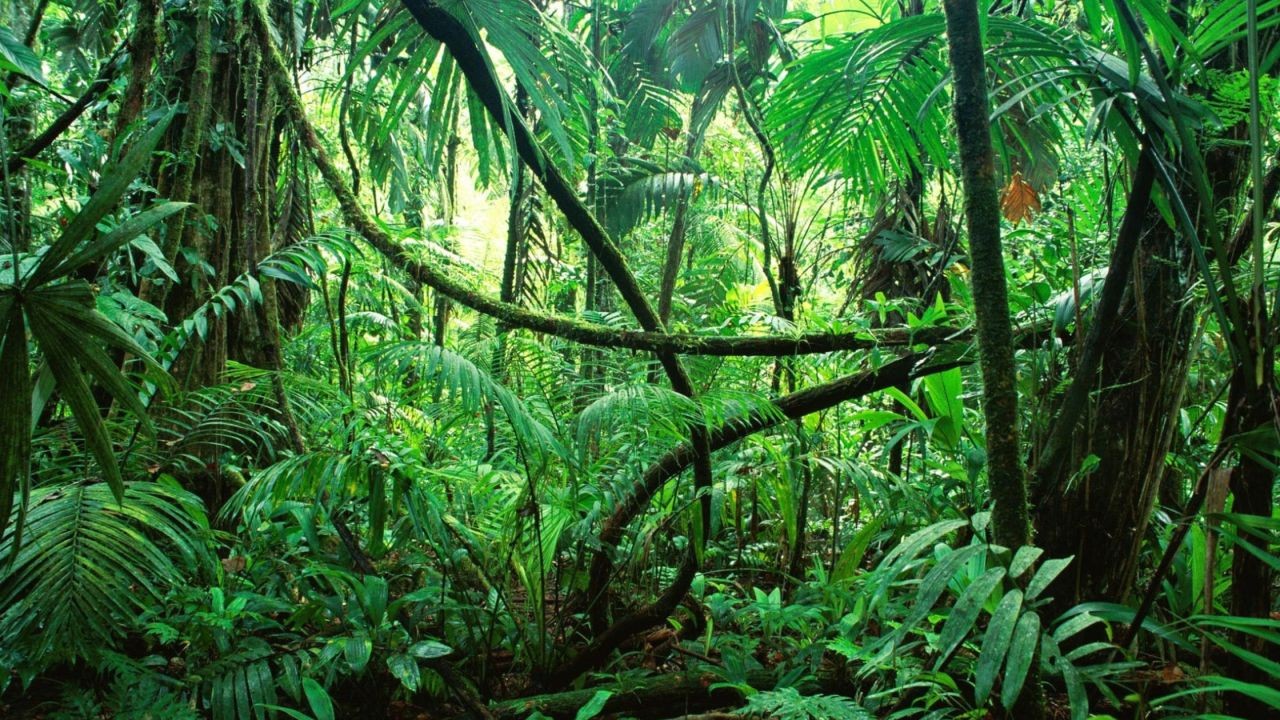
Imagine stepping into New Zealand’s lush landscapes, only to find them eerily silent—the iconic birdsong absent, the vibrant flora wilted. This alarming scenario isn't just a dystopian fantasy; it's a potential reality if climate change continues to wreak havoc on New Zealand's unique biodiversity. The stakes are high for the land of the long white cloud, where native species like the kiwi and the tuatara face existential threats. According to a 2023 report by Stats NZ, over 4,000 native species are at risk of extinction. Yet, in this challenge lies an opportunity: to innovate, adapt, and lead the world in preservation efforts.
The Biodiversity Crisis: A Background
New Zealand's biodiversity is a treasure trove of unique species that have evolved in isolation for millions of years. However, climate change is tipping this delicate balance. Rising temperatures, changing rainfall patterns, and ocean acidification are altering habitats faster than many species can adapt. According to Professor Susan Walker from the University of Otago, "We are witnessing changes that could lead to the loss of over half of our native birds by the end of the century if current trends continue."
Such transformations have significant implications for New Zealand’s economy too. The tourism industry, which contributes approximately 5.8% to the GDP, heavily relies on the allure of its natural landscapes and wildlife. The Ministry of Business, Innovation and Employment (MBIE) reported that ecotourism alone generated $1.3 billion in 2022. A decline in biodiversity would not only impact tourism but also agriculture and fishing industries, which depend on stable ecosystems.
Voices of Change: Expert Opinions
Dr. Jane Goodman, an ecologist at Massey University, emphasizes the need for immediate action: "New Zealand has the potential to be a global leader in biodiversity conservation, but we need to act now. Innovative approaches like assisted migration and genetic interventions could be key in ensuring the survival of our unique species."
On the other hand, some experts like Dr. Trevor Mason warn about the challenges of such interventions. "While innovative, these methods come with risks, such as the potential for unforeseen ecological consequences. It's vital that we conduct thorough risk assessments before implementation," he cautions.
Case Study: The Kakapo Recovery
One of the success stories in New Zealand's conservation efforts is the kakapo recovery program. Once on the brink of extinction, the kakapo population has seen a steady increase thanks to dedicated conservation efforts. In 1995, there were only 51 kakapos left. Through rigorous breeding programs and predator-free sanctuaries, this number has risen to over 200 in 2023. The Department of Conservation spearheaded this initiative, showcasing the impact of targeted conservation measures.
The lesson here is clear: strategic interventions, backed by robust research and community support, can turn the tide for endangered species. This model could be replicated for other vulnerable species, providing a blueprint for future conservation efforts.
Implications for the Future
The implications of climate change on New Zealand's biodiversity are profound, affecting not just ecological balance but also social and economic dimensions. A loss of biodiversity could lead to decreased agricultural productivity, affecting food security and export revenues. On the flip side, investing in biodiversity could create new job opportunities in conservation and sustainable tourism sectors.
Pros and Cons of Intervention Strategies
Pros:
- Economic Benefits: Enhanced biodiversity can boost ecotourism and create jobs.
- Ecological Balance: Preserved ecosystems support agriculture and fisheries.
- Global Leadership: New Zealand can set a precedent for global biodiversity conservation.
Cons:
- High Costs: Conservation programs require significant financial investment.
- Risk of Unintended Consequences: Interventions may have unforeseen ecological impacts.
- Regulatory Challenges: Implementing new strategies may face bureaucratic hurdles.
Myths and Misconceptions
Several myths hinder effective conservation efforts:
Myth: "Climate change impacts are too gradual to affect current biodiversity." Reality: Rapid changes are occurring, with significant biodiversity loss observed within the last decade.
Myth: "Conservation is too costly and unsustainable." Reality: The long-term economic benefits of conservation far outweigh the initial costs, as seen in the kakapo recovery program.
Future Trends and Predictions
By 2030, New Zealand is expected to implement cutting-edge genetic technologies to bolster conservation efforts, according to a report by the McKinsey Global Institute. These advancements could significantly enhance the resilience of native species against climate change.
Conclusion
The impact of climate change on New Zealand's biodiversity is a clarion call for action. By embracing innovative conservation strategies, New Zealand has the potential not only to protect its unique species but also to lead the world in sustainable biodiversity management. The question now is, are we ready to rise to the occasion?
What’s your take on New Zealand’s biodiversity challenges? Share your insights below!
People Also Ask
- How does climate change impact New Zealand's biodiversity? Climate change alters habitats, affecting species survival. Over 4,000 native species are currently at risk of extinction (Stats NZ).
- What are the biggest misconceptions about biodiversity conservation? One myth is that conservation is too costly, but successful programs like the kakapo recovery prove otherwise.
Related Search Queries
- New Zealand biodiversity conservation
- Impact of climate change on wildlife
- Ecotourism in New Zealand
- Climate change adaptation strategies
- New Zealand native species protection