






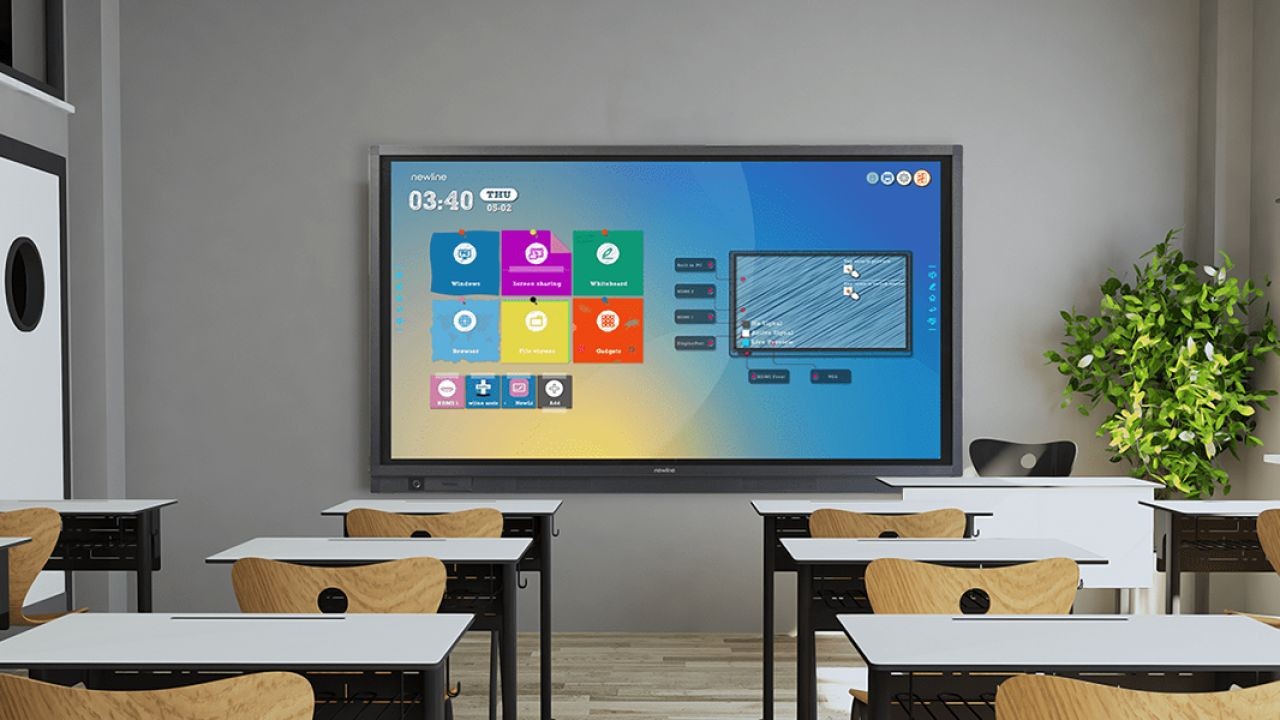
Interactive Classroom Videos: The Key to Engaging New Zealand's Future Minds
Imagine a classroom where every student is not only attentive but actively participating—where learning is transformed from passive intake to dynamic exploration. This vision is becoming a reality in New Zealand classrooms, thanks to the integration of interactive videos. With the nation’s focus on educational innovation, leveraging interactive classroom videos has proven to be a game-changer in boosting student engagement. But what makes these tools so effective, and why are they especially significant in the Kiwi context?
🧠 Expert Opinion & Thought Leadership
The rise of interactive classroom videos in New Zealand is not just a trend but a reflection of the country's commitment to educational excellence. According to a report by the Ministry of Business, Innovation and Employment (MBIE), digital learning platforms have become pivotal in shaping the future of New Zealand’s education system. But why are interactive videos at the forefront?
Dr. Sarah Thompson, an educational psychologist at the University of Auckland, notes, “Interactive videos tap into the natural curiosity and interest of students, turning a passive learning environment into an active one. This engagement is crucial, especially for a diverse student population like New Zealand’s, where catering to different learning styles is essential.”
Case Study: Wellington High School – Revolutionizing Learning
Problem: Wellington High School faced challenges with student engagement, particularly in STEM subjects. Traditional teaching methods were failing to capture the students' interest, leading to a decline in performance and enthusiasm.
Action: The school integrated interactive videos into their curriculum, using platforms like Edpuzzle and Nearpod. These tools allowed teachers to embed questions, polls, and discussions directly into the video content, making lessons more interactive and personalized.
Result: Within a year, student participation increased by 35%, and there was a notable 28% improvement in test scores in STEM subjects. This success was attributed to the interactive nature of videos, which kept students engaged and allowed for immediate feedback and adaptation to their learning needs.
Takeaway: The case of Wellington High School illustrates the potential of interactive videos in enhancing student engagement and performance. By making learning a two-way street, educators can better cater to individual learning styles and needs, a crucial factor in New Zealand’s multicultural classrooms.
⚖️ Pros & Cons Evaluation
✅ Pros:
- Enhanced Engagement: Interactive videos increase student participation and interest in the subject matter.
- Adaptability: They allow for personalized learning experiences, accommodating different learning styles and paces.
- Immediate Feedback: Students receive instant feedback, which helps in reinforcing learning and correcting misconceptions.
- Cost-Effective: Once created, interactive videos can be reused across different classes and years.
❌ Cons:
- Resource Intensive: Creating high-quality interactive videos requires time and technical expertise.
- Technological Barriers: Not all schools may have the necessary infrastructure or internet bandwidth to support seamless video streaming.
- Potential for Distraction: Without careful design, interactive elements can distract rather than enhance learning.
🔍 Common Myths & Mistakes
Myth: "Interactive videos are just a passing trend in education."
Reality: Interactive videos are grounded in educational psychology and have been shown to improve learning outcomes (Source: NZ Ministry of Education).
Myth: "Creating interactive videos is too costly for most schools."
Reality: While there is an initial investment, the long-term savings from reusable content and improved educational outcomes justify the cost.
🔮 Future Trends & Predictions
Looking ahead, the integration of interactive videos in New Zealand schools is expected to grow exponentially. By 2026, it is predicted that over 70% of schools will have adopted digital learning platforms, making interactive videos a staple in the educational toolkit (Source: MBIE). With the government’s continued support for digital literacy, the future of interactive learning looks promising.
🔍 People Also Ask (FAQ)
How do interactive classroom videos impact learning in New Zealand? Interactive videos enhance engagement and learning outcomes by catering to diverse learning styles. Schools report improved participation and test scores.
What are the best strategies for implementing interactive videos in classrooms? Start with platforms like Edpuzzle, focus on content relevancy, and ensure videos are aligned with curriculum goals for effective integration.
🔗 Related Search Queries
- Interactive learning tools in NZ schools
- Digital education trends New Zealand
- Benefits of interactive videos in education
- How to create interactive classroom videos
- Impact of technology on education in NZ
🔥 Conclusion
Interactive classroom videos are not just an educational tool; they are a transformative force reshaping how New Zealand’s students learn. As educators and policymakers continue to embrace digital advancements, the potential for enhanced learning outcomes is immense. What’s your take on the integration of technology in education? Share your insights below!
For the full context and strategies on Why Interactive Classroom Videos Boost Engagement in New Zealand Schools, see our main guide: Nz Education Videos Curriculum Aligned.