





The urban gardening movement has seen an impressive surge across New Zealand's cities, capturing the imagination of many who seek to reconnect with nature amidst urban environments. This trend is not just a fleeting hobby; it's rooted in a broader cultural shift towards sustainability, food security, and community resilience. As urban areas expand, the need for green spaces becomes increasingly crucial. In this article, we will explore the mechanics of urban gardening, analyze its rise in Kiwi cities, and provide actionable insights for enthusiasts and policymakers alike.
Urban gardening is rapidly reshaping the physical and economic landscape of New Zealand’s cities. Once viewed as a lifestyle hobby or niche environmental movement, it is now emerging as a practical response to rising living costs, food security concerns, and urban densification. Across Auckland, Wellington, Christchurch, and other growing centres, urban gardens are becoming a quiet but powerful engine for sustainable growth.
At the heart of this movement is the changing relationship New Zealanders have with food. As grocery prices rise and supply chains face increasing disruption, urban gardening offers households a way to regain control over what they consume. From balcony planters to shared community plots, city residents are producing fresh food locally, reducing dependence on long-distance transport and improving household resilience.
Urban gardening also delivers economic value that extends beyond individual households. Community gardens create shared infrastructure that maximises underused urban land, transforming vacant lots, rooftops, and unused public spaces into productive assets. These spaces support local food networks, micro-enterprises, and education programmes, all of which contribute to local economic circulation rather than exporting value elsewhere.
Environmental benefits are a key reason urban gardening is gaining momentum in New Zealand. City gardens improve air quality, reduce urban heat, enhance biodiversity, and support stormwater management. In a country increasingly affected by extreme weather and climate variability, these small-scale green spaces collectively strengthen urban resilience while aligning with national sustainability goals.
The social impact is equally significant. Urban gardening brings people together across age, culture, and income levels, strengthening neighbourhood connections in cities where social isolation is rising. Shared gardens provide opportunities for skill-sharing, cultural exchange, and community ownership, reinforcing social cohesion at a time when urban life can feel increasingly fragmented.
Local councils and planners are beginning to recognise urban gardening as strategic infrastructure rather than an informal activity. Policies that support edible landscapes, community food hubs, and garden-friendly zoning are gradually taking shape. When embedded into urban planning, gardening initiatives can complement housing density rather than compete with it, creating healthier and more liveable cities.
Technology is accelerating this shift. New Zealanders are adopting smart irrigation, vertical growing systems, and data-driven planting techniques that make urban gardening viable even in limited spaces. These innovations position urban food production not as a step backward, but as a modern response to urban constraints.
For New Zealand’s economy, the rise of urban gardening represents a decentralised growth model that strengthens local systems. It reduces pressure on national supply chains, encourages circular economies, and creates opportunities in education, technology, and green services. While no single garden will transform the economy, their collective impact is increasingly difficult to ignore.
Urban gardening is no longer just about growing vegetables. It is about redefining how Kiwi cities grow, feed themselves, and build resilience. As New Zealand faces the combined challenges of climate change, population growth, and economic uncertainty, urban gardening offers a practical, scalable solution that delivers environmental, social, and economic returns.
The growth engine New Zealand needs right now may not be large or loud. It is taking root quietly in backyards, balconies, rooftops, and shared spaces across the country. And as urban gardening continues to expand, it is proving that sustainable growth can begin from the ground up.
How It Works: The Mechanics of Urban Gardening
Urban gardening, at its core, involves cultivating plants in city environments, where traditional gardening space is limited. Here’s a deep dive into how urban gardening works:
- Vertical Gardening: This involves growing plants on vertically suspended panels, making it ideal for small spaces like balconies or apartment patios. Vertical gardens maximize space and often serve as natural air purifiers.
- Container Gardening: Using containers or pots, even a windowsill can become a mini-garden. This method is particularly popular in urban areas where soil may be scarce or contaminated.
- Rooftop Gardens: These utilize flat rooftops, turning them into productive green spaces. Rooftop gardens are more common in densely populated cities and can significantly reduce the urban heat island effect.
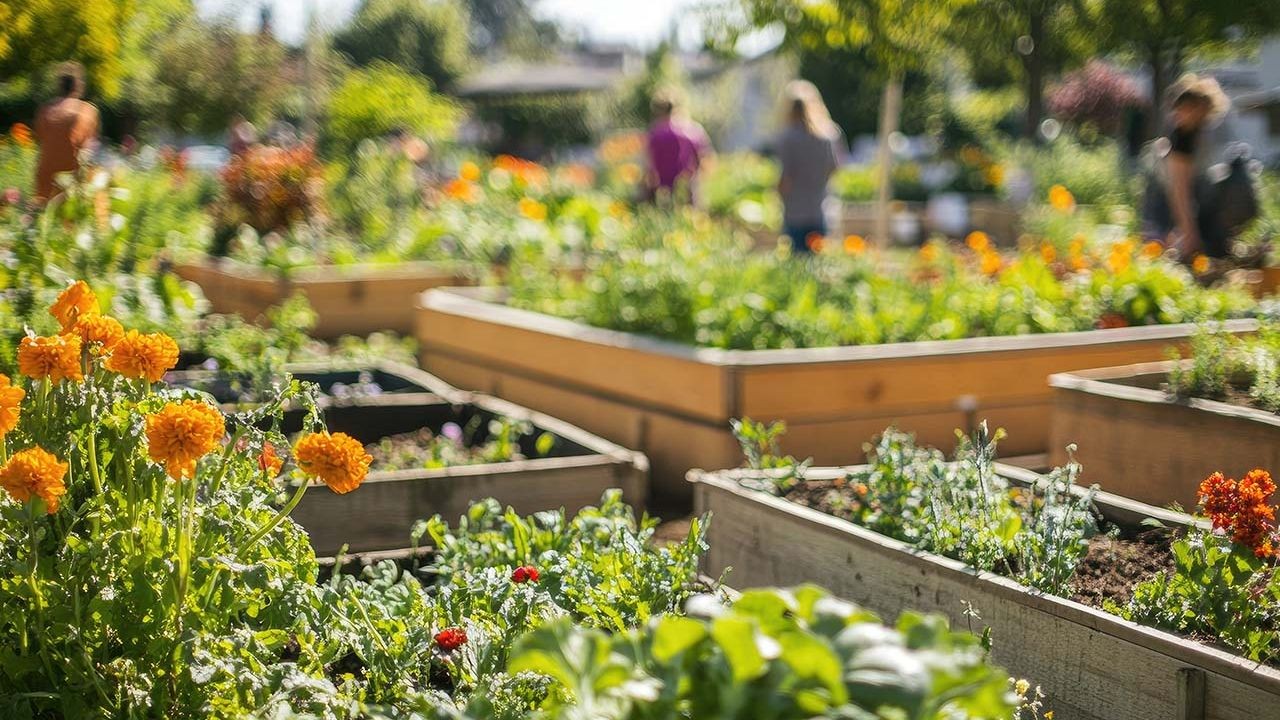
- Community Gardens: Shared spaces where individuals can lease a plot of land to grow their own produce. Community gardens foster social interaction and are a key driver of urban gardening popularity.
In New Zealand, urban gardening is increasingly supported by local councils and environmental groups, aligning with national sustainability goals. According to a 2022 report by Stats NZ, urban land use for gardening has increased by 15% over the past five years, reflecting a growing commitment to green initiatives.
Comparative Analysis: Urban Gardening in New Zealand vs. Global Trends
While urban gardening is a global phenomenon, New Zealand's approach carries unique nuances. Here's how Kiwi cities compare to global trends:
- Policy Support: The Ministry for the Environment in New Zealand has been proactive in promoting urban green spaces, offering grants and subsidies for community gardening projects. This contrasts with some other countries where urban gardening is more grassroots-driven without significant government support.
- Climate Adaptability: New Zealand's moderate climate allows for a wide variety of plants to thrive year-round, unlike regions with extreme weather patterns. This adaptability enhances the viability of urban gardening across the country.
- Community Engagement: Kiwis' strong sense of community and environmental consciousness have propelled urban gardening beyond individual backyards into community hubs. For instance, the Auckland Urban Garden Collective has seen membership growth of 25% annually, indicating robust community interest and participation.
Globally, cities like Singapore and Tokyo have implemented high-tech urban farming solutions such as hydroponics and aquaponics, showcasing what might be possible in New Zealand’s future urban gardening landscape.
Case Study: Auckland Community Gardens Initiative
Urban gardening's success in Auckland illustrates its transformative impact on both the environment and community well-being.
Problem:
Auckland, facing rapid urbanization, had limited green spaces, leading to a lack of access to fresh produce for many residents. The challenge was to integrate more green spaces without compromising urban development.
Action:
In response, the Auckland Council launched the Community Gardens Initiative, allocating underutilized land for gardening purposes. The initiative encouraged collaboration between local groups, schools, and environmental organizations.
Result:
Within two years, the initiative led to the establishment of over 50 community gardens across the city. Key outcomes included:
- Increased Access to Fresh Produce: Over 10,000 residents gained access to fresh vegetables and fruits.
- Enhanced Community Engagement: Social ties strengthened as community members participated in garden projects and workshops.
- Environmental Benefits: The gardens contributed to a 5% reduction in the urban heat island effect, as reported by the Auckland Environmental Research Institute.
Takeaway:
This case study underscores the power of urban gardening as a tool for environmental and social change. New Zealand cities can replicate Auckland's model, fostering community resilience and sustainability.
Common Myths & Mistakes in Urban Gardening
Despite its growing popularity, several misconceptions about urban gardening persist. Let’s debunk some common myths:
- Myth: "Urban gardening is only for those with large spaces." Reality: Vertical and container gardening techniques make it possible to cultivate plants even in the smallest urban apartments.
- Myth: "It's too costly to start an urban garden." Reality: Initial costs are minimal. Many community gardens provide resources and support to newcomers, significantly reducing setup expenses.
- Myth: "Urban gardening is ineffective for food production." Reality: With proper planning, urban gardens can yield substantial produce. A single balcony garden can potentially provide several kilograms of vegetables annually.
Understanding these realities can help more urban dwellers embrace gardening as a viable lifestyle choice.
Future Trends & Predictions
Looking ahead, urban gardening in New Zealand is poised for further evolution. Here are some trends to watch:
- Technological Integration: The incorporation of smart gardening tools and IoT devices will enhance efficiency and yield.
- Policy Advancements: Continued government support and new sustainability policies will likely expand urban gardening initiatives.
- Increased Community Involvement: Expect to see more educational programs and community-led projects fostering greater participation and innovation.
By 2028, urban gardening could be a staple in the development of eco-friendly urban infrastructure across New Zealand, aligning with global sustainability goals.
Conclusion
Urban gardening is more than a trend; it's a reflection of a broader cultural shift towards sustainability and community cohesion. As New Zealand cities continue to grow, the integration of green spaces will prove essential in enhancing urban living quality. Whether you're a city planner, a community leader, or an individual looking to start your own urban garden, the time to act is now. Embrace the potential of urban gardening and join the movement towards a greener future.
What’s your take on urban gardening in Kiwi cities? Share your insights below!
People Also Ask
- How does urban gardening impact New Zealand communities? Urban gardening enhances community engagement and provides fresh produce, contributing to food security and environmental sustainability.
- What are the biggest misconceptions about urban gardening? Many believe urban gardening is costly or requires large spaces, but techniques like vertical gardening make it accessible and affordable.
- What trends will shape the future of urban gardening in New Zealand? Technological integration and increased policy support are set to drive urban gardening's expansion and innovation in the coming years.
Related Search Queries
- Urban gardening tips for small spaces
- Community gardening in New Zealand
- Sustainable gardening practices
- Vertical gardening techniques
- Benefits of urban gardening
- Rooftop gardening examples
- Impact of urban gardening on climate change
- Government support for urban gardening NZ
- Urban gardening tools and technology
- How to start a community garden
For the full context and strategies on The Rise of Urban Gardening in Kiwi Cities – The Growth Engine New Zealand Needs Now, see our main guide: Street Food Market Videos New Zealand.