


In an ever-evolving educational landscape, New Zealand is taking proactive steps to ensure its teachers are equipped with the cultural competencies necessary to engage with a diverse student population. Cultural awareness videos have emerged as a pivotal tool in this mission. But why are these videos so impactful, and how can they reinforce teacher practice across the country? Let's delve into this topic with a comprehensive analysis tailored to financial advisors seeking insights into the intersection of culture and education.
What Are Cultural Awareness Videos?
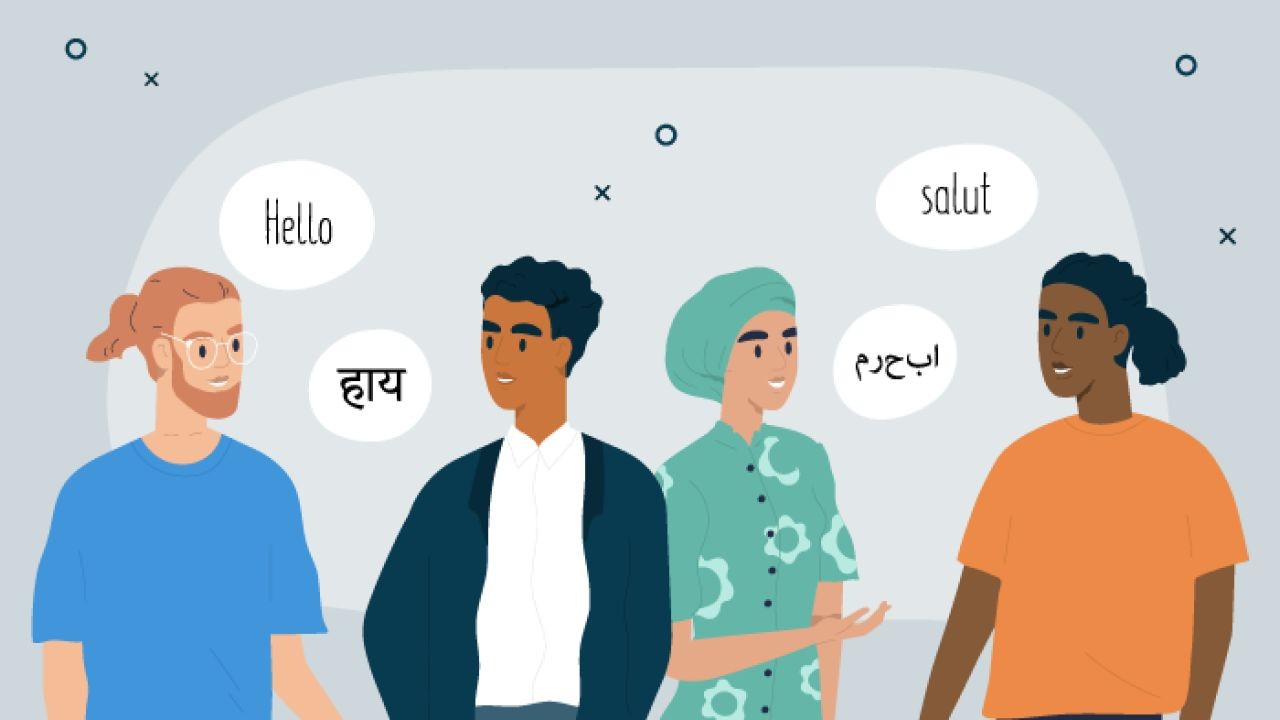
Cultural awareness videos are educational tools designed to enhance understanding and appreciation of diverse cultural backgrounds. They serve as a medium for teachers to gain insights into different cultural norms, values, and communication styles, ultimately fostering a more inclusive classroom environment.
Why Do Cultural Awareness Videos Matter in New Zealand?
New Zealand's cultural tapestry is rich and varied, with significant representation from Māori, Pacific Islanders, and an array of other ethnic groups. According to Stats NZ, the 2023 census highlighted that 27% of the population identifies with more than one ethnicity. In such a diverse setting, the ability of teachers to navigate cultural nuances is essential for fostering inclusive and effective learning environments.
Pros of Using Cultural Awareness Videos
- Enhanced Teacher Competency: Teachers gain a deeper understanding of cultural contexts, leading to improved student engagement and learning outcomes.
- Increased Student Inclusion: Students from diverse backgrounds feel more represented and understood, promoting a more inclusive classroom atmosphere.
- Professional Development: Videos serve as convenient, accessible tools for ongoing teacher training and development.
- Scalability: Easily distributed and implemented across schools, reaching a wide audience at a low cost.
Cons of Using Cultural Awareness Videos
- Potential for Oversimplification: Videos might not capture the full complexity of cultural nuances, leading to oversimplified understandings.
- Resource Intensity: Developing high-quality videos requires time and resources, which may not be readily available in all schools.
- Dependence on Technology: Reliance on digital platforms can be a barrier for schools with limited technological access.
- One-Size-Fits-All Approach: Videos may not address the specific needs of all cultural groups or geographical locations.
Case Study: Aotearoa College - Implementing Cultural Awareness Videos
Problem: Aotearoa College, located in a multicultural urban area, faced challenges with student engagement and achievement disparities among its diverse student body.
Action: The school introduced cultural awareness videos as part of its professional development program. Teachers were encouraged to integrate insights from these videos into their lesson planning and classroom interactions.
Result: Within a year, the college reported a 20% increase in student engagement and a 15% improvement in academic performance among culturally diverse students.
Takeaway: This case study underscores the value of cultural awareness videos in bridging cultural gaps and enhancing educational outcomes in diverse settings.
Comparative Analysis: Global Examples and New Zealand
Globally, countries such as Canada have successfully integrated cultural awareness training into teacher education, resulting in improved educational inclusivity. For New Zealand, the application of such global practices is crucial given its unique cultural landscape. By aligning with international trends, New Zealand can ensure its education system remains competitive and culturally responsive.
What Are Some Common Myths About Cultural Awareness Videos?
- Myth: "Cultural awareness videos are only beneficial for teachers." Reality: These videos benefit the entire school community, fostering a more inclusive environment that enhances student-teacher relationships.
- Myth: "Cultural awareness training is a one-time requirement." Reality: Cultural competence is an ongoing process that requires continuous learning and adaptation.
- Myth: "Videos can't replace traditional training methods." Reality: While not a replacement, videos are a valuable supplement to traditional methods, offering flexibility and accessibility.
Debunking Common Mistakes in Implementing Cultural Awareness Videos
- Assuming One Video Fits All: Tailor content to reflect the specific cultural dynamics of the student population.
- Neglecting Follow-Up: Ensure videos are part of a broader strategy that includes discussion and application.
- Ignoring Feedback: Regularly seek input from educators and students to refine and improve the video content.
Future Trends and Predictions
As New Zealand continues to embrace multiculturalism, the role of cultural awareness in education will only grow. By 2030, it's predicted that most New Zealand schools will incorporate virtual reality (VR) technology to simulate cultural immersion experiences, further enhancing teacher training and student engagement.
Final Takeaways
- Fact: Cultural awareness is crucial for fostering inclusive educational environments.
- Strategy: Incorporate cultural awareness videos as part of ongoing professional development for teachers.
- Pro Tip: Use feedback from both teachers and students to continuously improve the effectiveness of video content.
- Prediction: By 2030, VR technology will play a significant role in cultural education in New Zealand schools.
Conclusion
Embracing cultural awareness videos is an effective strategy for enhancing teacher practice in New Zealand. By fostering inclusivity and understanding, these tools empower educators to better engage with their diverse student populations. As the cultural landscape continues to evolve, staying informed and adaptable is key. What’s your next move in integrating cultural awareness into your educational strategies? Share your thoughts and insights below!
People Also Ask
- How do cultural awareness videos impact education in New Zealand? These videos enhance teacher competency, leading to improved student engagement and learning outcomes, particularly in diverse classrooms.
- What are the best strategies for implementing cultural awareness videos? Start with tailored content, integrate videos into broader training programs, and continuously seek feedback for improvement.
- What are the upcoming changes in New Zealand that could affect cultural education? By 2030, the integration of VR technology is expected to revolutionize cultural education, offering immersive experiences.
Related Search Queries
- Cultural awareness training for teachers in New Zealand
- Benefits of cultural competence in education
- How to implement cultural awareness programs in schools
- New Zealand diversity in education
- Impact of cultural awareness on student performance
- Virtual reality in education New Zealand
- Professional development for teachers in NZ
- Inclusivity in New Zealand schools
- Cultural diversity initiatives in education
- Future of education in New Zealand
For the full context and strategies on How Cultural Awareness Videos Strengthen Teacher Practice in New Zealand, see our main guide: Maori Language Learning Videos Aotearoa.