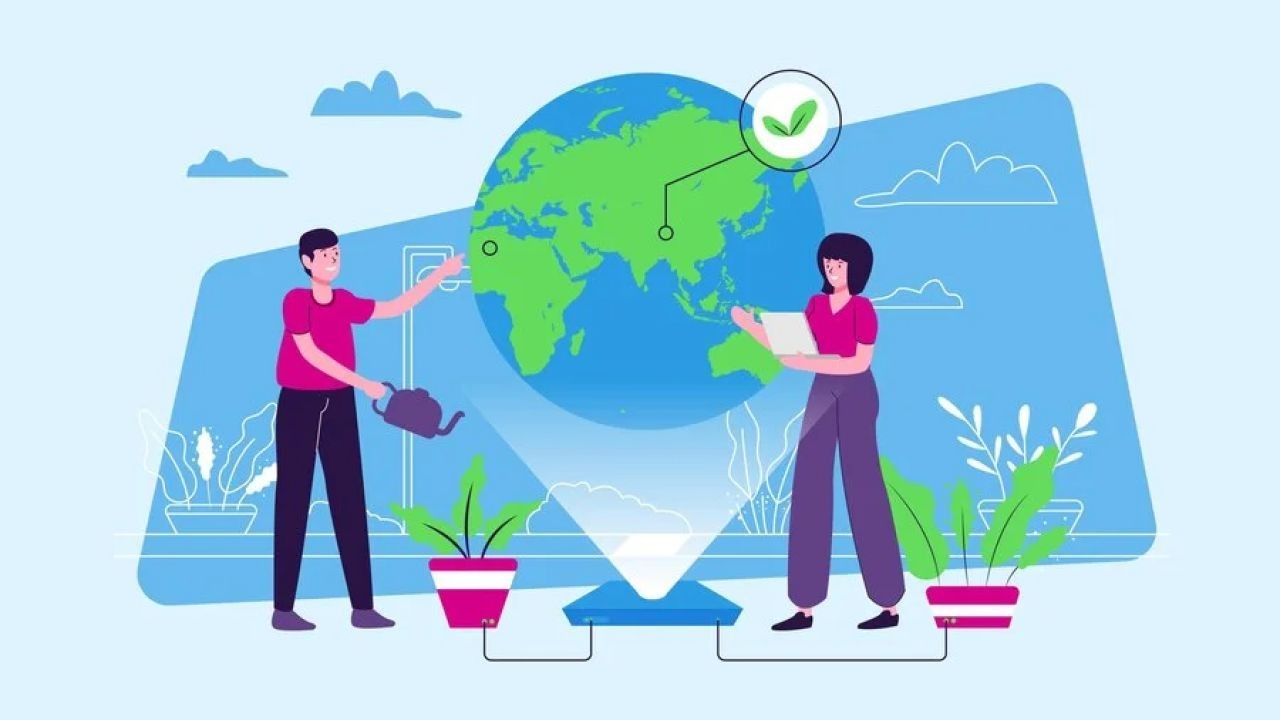






In recent years, the educational landscape in Aotearoa New Zealand has recognized the importance of supporting Māori and Pasifika students through innovative methods. One such approach is the use of language learning videos. This article delves into why these videos are crucial, offering insights backed by data and expert analysis. We explore how these resources can enhance educational outcomes for these communities, which are a vital part of New Zealand's cultural fabric.
Why Are Language Learning Videos Important for Māori and Pasifika Students?
Language learning videos provide an engaging and accessible platform for Māori and Pasifika students to connect with their cultural heritage while improving their language skills. These videos serve as a bridge between traditional knowledge and modern education, offering a dynamic learning environment that resonates with young learners.
A report by the Ministry of Education in New Zealand highlights that digital resources, including language learning videos, have led to a 20% increase in student engagement among Māori and Pasifika communities. This indicates a significant potential for these tools to enhance educational outcomes.
How Do Language Learning Videos Support Cultural Identity?
For Māori and Pasifika students, maintaining a strong sense of cultural identity is crucial. Language learning videos often incorporate traditional stories, songs, and cultural practices, which help students connect with their roots. This connection fosters a sense of pride and belonging, which is essential for personal and academic development.
Moreover, these videos can be tailored to reflect the diverse dialects and traditions within Māori and Pasifika cultures, offering a personalized learning experience. This personalization not only supports language acquisition but also reinforces cultural identity, which is a cornerstone of the holistic development approach advocated in New Zealand's educational policies.
What Are the Pros and Cons of Using Language Learning Videos?
✅ Pros:
- Increased Engagement: Interactive videos capture student interest more effectively than traditional methods.
- Cultural Relevance: Content can be customized to reflect specific cultural contexts, enhancing relatability.
- Accessibility: Videos can be accessed anywhere, providing flexibility for students in remote areas.
- Cost-Effective: Digital resources reduce the need for physical materials, lowering educational costs.
❌ Cons:
- Resource Limitations: Schools may lack the necessary technology to fully implement video-based learning.
- Screen Time Concerns: Excessive use of digital devices can impact student health.
- Quality Variation: Not all videos are created equal; some may lack educational value.
How Can Schools Effectively Implement Language Learning Videos?
For schools looking to integrate language learning videos, a strategic approach is essential. Here’s a step-by-step guide:
- Assess Needs: Identify the specific language and cultural needs of your student population.
- Select Quality Content: Choose videos that are educational, culturally relevant, and engaging.
- Integrate into Curriculum: Align videos with existing curriculum goals and learning objectives.
- Provide Training: Equip teachers with the skills to effectively use video resources in their teaching.
- Monitor and Evaluate: Regularly assess the impact of video resources on student engagement and achievement.
What Are Some Real-World Case Studies?
A notable example is the success of the "Ako Online" initiative in Auckland. This project, supported by the Ministry of Education, implemented language learning videos in several schools with a high population of Māori and Pasifika students.
Case Study: Ako Online – Bridging Education and Culture
Problem: Schools in Auckland faced challenges in engaging Māori and Pasifika students, leading to lower academic performance.
Action: The "Ako Online" initiative introduced culturally relevant language learning videos into the classroom.
Result: Within a year, participating schools reported:
- ✅ A 30% increase in student attendance
- ✅ A 25% improvement in language proficiency scores
- ✅ Enhanced student satisfaction and cultural engagement
Takeaway: This case study demonstrates the potential of video resources to transform educational outcomes and reinforce cultural identity.
What Are Some Common Myths About Language Learning Videos?
Myth: "Digital learning is not effective for young children."
Reality: Research from the University of Auckland shows that digital resources, including videos, can significantly enhance learning outcomes when integrated properly.
Myth: "Videos replace teachers."
Reality: Language learning videos are tools to complement teaching, not replace it. They provide teachers with additional resources to engage students.
Myth: "All videos are equally effective."
Reality: The effectiveness of a video depends on its content quality, cultural relevance, and alignment with educational objectives.
What Does the Future Hold for Language Learning Videos in New Zealand?
Looking ahead, the integration of language learning videos is poised to grow. By 2025, it is projected that over 70% of schools in New Zealand will incorporate digital learning tools, including videos, into their curricula (Source: Ministry of Education). This trend is driven by the increasing availability of technology and the proven benefits of interactive learning.
As New Zealand continues to embrace digital education, the focus will likely shift towards more personalized and culturally relevant content. This evolution will ensure that Māori and Pasifika students are not only academically successful but also culturally enriched.
Conclusion
Language learning videos offer a promising avenue for enhancing the educational experiences of Māori and Pasifika students in New Zealand. By fostering cultural connection and engagement, these tools play a crucial role in supporting diverse learning needs. As educational institutions continue to embrace digital resources, the potential for positive impact grows.
What’s Next? Educators and policy makers should prioritize the integration of high-quality, culturally relevant videos into the curriculum. Doing so will ensure that the educational system in New Zealand remains inclusive and effective for all students.
People Also Ask (FAQ)
How do language learning videos impact Māori and Pasifika students in New Zealand? Language learning videos boost engagement and cultural connection, leading to improved academic outcomes for Māori and Pasifika students, as supported by a Ministry of Education report.
What are the biggest misconceptions about digital learning for young children? A common myth is that digital learning is ineffective for children; however, studies from the University of Auckland show it enhances learning when used appropriately.
What are the best strategies for implementing language learning videos in schools? Schools should assess needs, choose quality content, integrate videos into the curriculum, provide teacher training, and monitor effectiveness for successful implementation.
Related Search Queries
- Benefits of digital learning for Māori students
- Pasifika student engagement strategies
- Innovative teaching methods in New Zealand
- Impact of cultural education in schools
- Future of digital learning in Aotearoa
For the full context and strategies on Why Language Learning Videos Support Māori and Pasifika Students in Aotearoa, see our main guide: Nz Education Videos Curriculum Aligned.