






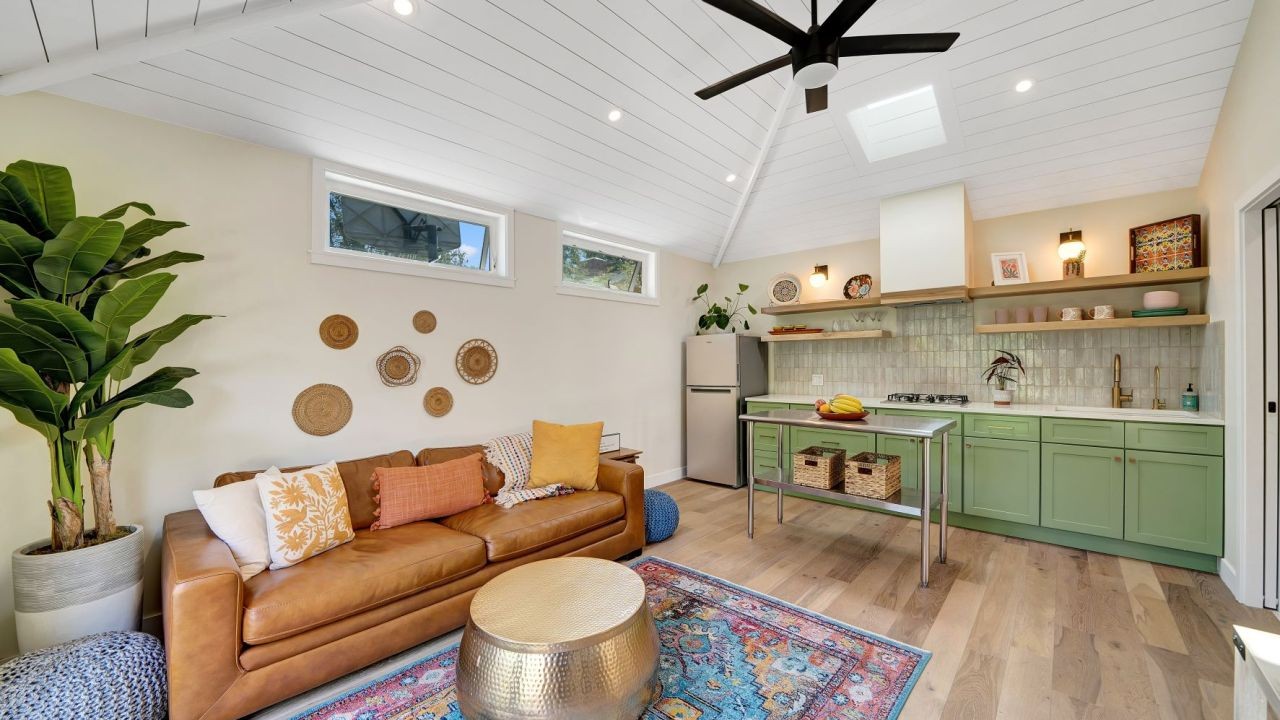
In the heart of Auckland, a city grappling with skyrocketing property prices and a housing shortage, a quiet revolution is taking place. Homeowners like Sarah Thompson are converting their garages into fully functional living spaces. What was once a cluttered storage area now serves as a chic studio apartment, rented out to students from the University of Auckland. This trend, gaining momentum across New Zealand, is more than a creative use of space; it's a potential solution to the country's housing crisis.
Garage Conversions: A New Zealand Phenomenon
New Zealand’s real estate market is at a crossroads. With property prices increasing by 27% since 2020 (Stats NZ, 2023), affordable housing is becoming a distant dream for many Kiwis. In response, resourceful homeowners are turning to garage conversions. According to a report by the Ministry of Business, Innovation, and Employment (MBIE), nearly 15% of New Zealand homeowners have considered garage conversions as a viable housing alternative.
How It Works: Turning Garages into Living Spaces
Converting a garage into a living area involves several steps, from securing council approval to insulation and interior design. In Auckland, these conversions are subject to specific building codes and zoning regulations to ensure safety and compliance. For Sarah, the process took six months and involved collaboration with architects and builders to meet local standards.
Case Study: Sarah Thompson’s Garage Conversion
Problem: Sarah Thompson, a homeowner in Auckland, faced the challenge of maximizing her property’s potential amidst rising costs. The escalating property prices made it difficult for her to consider traditional expansion.
Action: Sarah decided to convert her garage into a studio apartment. By working with local architects and builders, she transformed the space into a modern, self-contained unit. The project involved thorough insulation, plumbing, and electrical work, ensuring the space met all living standards.
Result: After completion, Sarah rented out the apartment, generating an additional income of NZD 1,200 per month. This conversion not only alleviated her financial burden but also contributed to the local rental market.
Takeaway: Garage conversions offer a practical solution to housing shortages and financial strain in New Zealand. By utilizing existing structures, homeowners can generate income and increase property value.
Pros and Cons of Garage Conversions
Pros:
- Increased Property Value: A well-executed conversion can boost property value by up to 20%.
- Additional Income: Renting out converted spaces provides a steady income stream.
- Space Optimization: Maximizes unused areas, enhancing the utility of existing property.
Cons:
- Regulatory Hurdles: Compliance with local building codes can be time-consuming and costly.
- Initial Costs: Conversion can require significant upfront investment, often ranging between NZD 30,000 to NZD 50,000.
- Potential Market Saturation: As more homeowners adopt this trend, rental market competition may increase.
Expert Insights and Industry Analysis
According to Dr. Liam Bennett, a housing economist from the University of Auckland, "Garage conversions are a strategic response to urban housing challenges. While they won't solve the housing crisis alone, they offer a scalable solution that can be adopted widely across urban centers." This insight highlights the potential of garage conversions to make a tangible impact on New Zealand’s housing landscape, especially in urban areas where space is limited.
Common Myths and Misconceptions
Myth: "Garage conversions are illegal without exception."
Reality: While regulatory compliance is necessary, many regions in New Zealand have clear guidelines facilitating legal conversions (MBIE, 2023).
Myth: "Converted garages are not comfortable living spaces."
Reality: With modern insulation and design techniques, converted garages can be as comfortable as any other living area.
Myth: "Garage conversions don’t add significant property value."
Reality: Properly executed conversions can increase property value significantly, as evidenced by numerous case studies.
Future Trends and Predictions
By 2028, it is projected that 25% of New Zealand homes will feature converted spaces, driven by economic pressures and urbanization (Deloitte, 2024). As regulatory frameworks evolve, more streamlined processes will likely emerge, making conversions more accessible.
Final Takeaways
- Garage conversions offer a practical solution to housing shortages, providing additional income and increasing property value.
- Compliance with local building regulations is crucial to ensure successful conversions.
- As urban areas continue to grow, these conversions will likely become a staple in New Zealand housing strategies.
Are you considering converting your garage? Ensure you consult with local authorities and professionals to navigate the process effectively. Share your thoughts and experiences with garage conversions below!
People Also Ask (FAQ)
- How do garage conversions impact property value in New Zealand? Garage conversions can increase property value by up to 20%, depending on location and execution.
- What are the biggest challenges in converting a garage into a living space? The primary challenges include regulatory compliance, upfront costs, and ensuring the space meets living standards.
Related Search Queries
- Garage conversion regulations NZ
- Cost of converting a garage to a living space in NZ
- Best design ideas for garage conversions
- How to increase property value in New Zealand
- Affordable housing solutions NZ
For the full context and strategies on Garage Conversion Videos: Turn Extra Space into Living Areas, see our main guide: Tradie Video Marketing Social Media Nz.

























RowenaShee
1 month ago