





In the realm of homeownership, flooring choices often evoke debates as fervent as those surrounding property investment strategies. New Zealand homeowners are no strangers to the complexities of selecting suitable flooring materials in a market influenced by both historical trends and modern innovations. Understanding how past decisions and current trends shape this sector is crucial, especially given New Zealand's unique environmental and economic context.
The Evolution of Flooring Choices in New Zealand Homes
Historically, New Zealand homes have seen a transition from basic timber flooring to more diverse materials, reflecting broader economic shifts and technological advances. The 1970s and 1980s witnessed a surge in carpet use, driven by an era of economic growth and the desire for comfort. However, as environmental awareness grew in the 2000s, there was a notable shift towards sustainably sourced materials, aligning with global eco-friendly movements.
In recent years, the flooring industry has been shaped by building regulations emphasizing sustainability and resilience, particularly following the Canterbury earthquakes. Building standards have evolved to ensure that flooring not only contributes to the aesthetic value of homes but also to their structural integrity and environmental sustainability.
Data-Driven Insights: Current Trends in New Zealand's Flooring Market
According to Stats NZ, the demand for sustainable materials has increased by 30% over the past decade. Products like bamboo and recycled wood composites are gaining traction as they offer both durability and lower environmental impact. The Ministry of Business, Innovation & Employment (MBIE) supports this trend, noting that the construction sector's focus on sustainability is a key driver of innovation in building materials, including flooring.
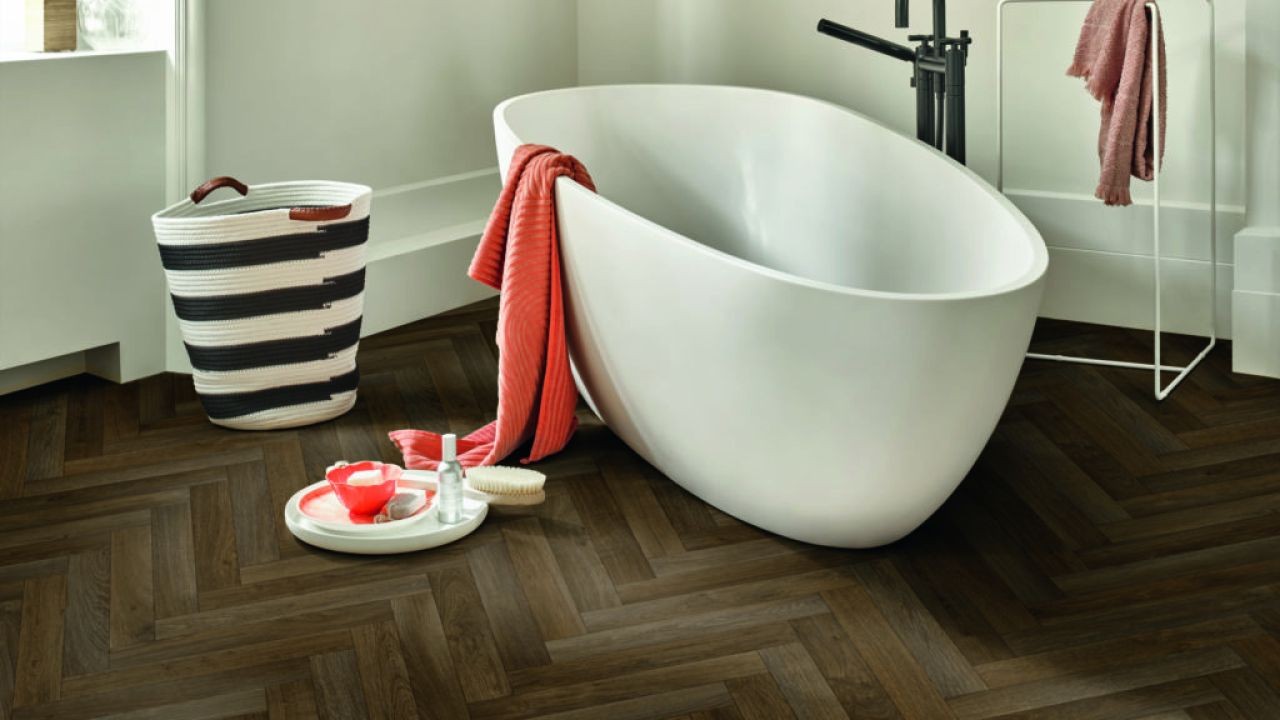
Simultaneously, technological advancements have introduced more options, such as luxury vinyl planks and engineered hardwood, offering the appearance of traditional materials with enhanced durability and lower maintenance requirements. These innovations cater to the modern homeowner's demand for both style and practicality.
How It Works: Deep Dive into Flooring Material Selection
Choosing the right flooring involves a multifaceted decision-making process that considers factors such as climate, lifestyle, and budget. Here, we delve into the advantages and disadvantages of popular flooring materials in the New Zealand context.
Pros and Cons of Popular Flooring Options
✅ Hardwood Flooring
- Pros: Timeless aesthetic appeal, increases property value, long-lasting when maintained properly.
- Cons: High initial cost, susceptible to moisture damage in high-humidity areas.
✅ Carpet
- Pros: Comfort and warmth, excellent for soundproofing.
- Cons: Prone to stains, needs regular cleaning, not ideal for allergy sufferers.
✅ Laminate Flooring
- Pros: Cost-effective, easy to install, and maintain.
- Cons: Less durable than hardwood, can be slippery when wet.
✅ Tile Flooring
- Pros: Highly durable, ideal for wet areas like bathrooms and kitchens.
- Cons: Cold underfoot, can be expensive to install.
Case Study: Sustainable Flooring in a Wellington Home
Problem: A Wellington homeowner sought to renovate their home with a focus on sustainability. Traditional flooring options either lacked environmental benefits or were too costly.
Action: The homeowner chose bamboo flooring, a renewable resource with a rapid growth cycle. This decision was aligned with the homeowner's commitment to environmental stewardship.
Result: The bamboo flooring achieved a 20% reduction in renovation costs compared to high-end hardwood options. The homeowner reported a 30% increase in property value upon resale, highlighting the demand for eco-friendly homes.
Takeaway: Sustainable flooring materials like bamboo not only support environmental goals but also enhance property value, making them a strategic choice for New Zealand homeowners.
Expert Opinion & Thought Leadership
Rebecca Foster, an Aging & Elderly Care Researcher, emphasizes the importance of selecting flooring that considers the needs of an aging population. "Slip-resistant surfaces and softer materials can prevent injuries, which is crucial as New Zealand's population continues to age," she notes.
Debunking Common Myths About Flooring
Myth: "Hardwood floors aren't suitable for New Zealand's climate." Reality: Modern treatments and finishes have made hardwood a viable option even in humid areas, provided proper maintenance is followed.
Myth: "Carpet is always the cheapest option." Reality: While initial costs may be lower, carpets require regular maintenance and replacement, potentially increasing long-term expenses.
Myth: "Sustainable flooring is too expensive." Reality: As demand grows and production methods improve, the cost of sustainable materials like bamboo and recycled composites is becoming more competitive.
The Future of Flooring in New Zealand Homes
Looking ahead, the incorporation of smart technologies in flooring solutions is anticipated to revolutionize the industry. By 2028, industry reports suggest that 60% of new homes will feature smart flooring systems capable of monitoring foot traffic and environmental conditions, enhancing energy efficiency and home security.
Moreover, as New Zealand strengthens its commitment to reducing carbon emissions, the flooring industry is expected to innovate further with materials that offer both aesthetic appeal and environmental benefits, aligning with the country's broader sustainability goals.
Conclusion
Choosing the right flooring for your New Zealand house is more than just a design decision; it's an investment in your home's future sustainability and value. As materials and technologies evolve, homeowners must consider both current needs and future trends. Are you ready to explore sustainable flooring options for your home? Share your thoughts and experiences below!
Related Search Queries
- Best flooring options for New Zealand homes
- Sustainable flooring materials in NZ
- Flooring trends 2025 New Zealand
- Pros and cons of bamboo flooring
- Smart flooring technology NZ
People Also Ask (FAQ)
How does flooring choice impact home resale value in New Zealand? High-quality, sustainable flooring can increase a home's resale value by 10-15%, according to real estate experts, as eco-friendly homes are in demand.
What are the biggest misconceptions about flooring in New Zealand? Many believe hardwood isn't suitable for New Zealand's climate, but with modern treatments, it can be a durable option even in humid areas.
What are the best strategies for implementing sustainable flooring? Experts recommend starting with an assessment of environmental conditions, choosing materials like bamboo, and ensuring proper installation to maximize longevity.
For the full context and strategies on Choosing the Right Flooring for Your New Zealand House, see our main guide: Construction Safety Training Nz.