




Heritage home restorations in New Zealand present a unique set of challenges and opportunities for property investors. These architectural gems, often laden with historical significance, require specialized skills to preserve their character while updating them for modern living. However, choosing the right tradie—local slang for a tradesperson—can be daunting. With New Zealand's construction industry experiencing a surge, driven by a 3.2% annual growth rate according to Stats NZ, the demand for skilled tradespeople is high, but so are the stakes in selecting the right one.
The Importance of Selecting the Right Tradie
Heritage homes, with their intricate woodwork, bespoke fittings, and period-specific details, demand a high level of craftsmanship. As Jessica Langley, a Luxury Property Market Analyst, notes, "These homes aren't just structures; they're pieces of history. The right tradie respects and enhances this legacy while ensuring the property meets today's standards."
Recent data from the Ministry of Business, Innovation and Employment (MBIE) indicates that the restoration and renovation sector contributes significantly to New Zealand's GDP, emphasizing the economic impact of this industry. With the right tradie, investors can not only preserve historical value but also enhance the property's market appeal and rental potential.
Comparative Analysis: Local vs. International Expertise
Choosing between local and international tradespeople can be challenging. While local tradies are well-versed in New Zealand's building regulations and climate considerations, international experts may bring innovative techniques and perspectives.
However, the New Zealand Building Code mandates specific standards for heritage restorations, which local tradies are more familiar with. Furthermore, employing local talent supports the domestic economy and ensures quicker project timelines due to reduced travel constraints.
Step-by-Step Guide to Selecting a Tradie
1. Research and Referrals: Begin by seeking referrals from fellow investors, architects, or property managers who have undertaken similar projects.
2. Credentials Verification: Verify the tradie's qualifications and memberships in professional bodies such as the Registered Master Builders Association, which ensures adherence to industry standards.
3. Portfolio Assessment: Review past projects to assess the quality of work, focusing on their experience with heritage properties.
4. Site Visit: Arrange a visit to a current project site to evaluate their workmanship and project management skills.
5. Obtain Quotations: Secure detailed quotes from multiple tradies to compare pricing and scope of work. Ensure all quotes cover potential contingencies specific to heritage restorations.
How It Works (Deep Dive into the Process)
Restoring heritage homes involves a meticulous process that begins with understanding the original construction techniques. Traditional materials such as native timber and lime plaster, often used in New Zealand's heritage homes, require specialized handling. A skilled tradie will employ a blend of traditional methods with modern solutions to address issues like dampness or outdated wiring.
For example, the use of digital technology like 3D scanning in heritage restorations is becoming more prevalent, allowing tradies to create accurate models of intricate designs. This technology not only aids in preserving historical accuracy but also in planning efficient restorations, minimizing structural alterations.
Real-World Case Study: The Auckland Villa
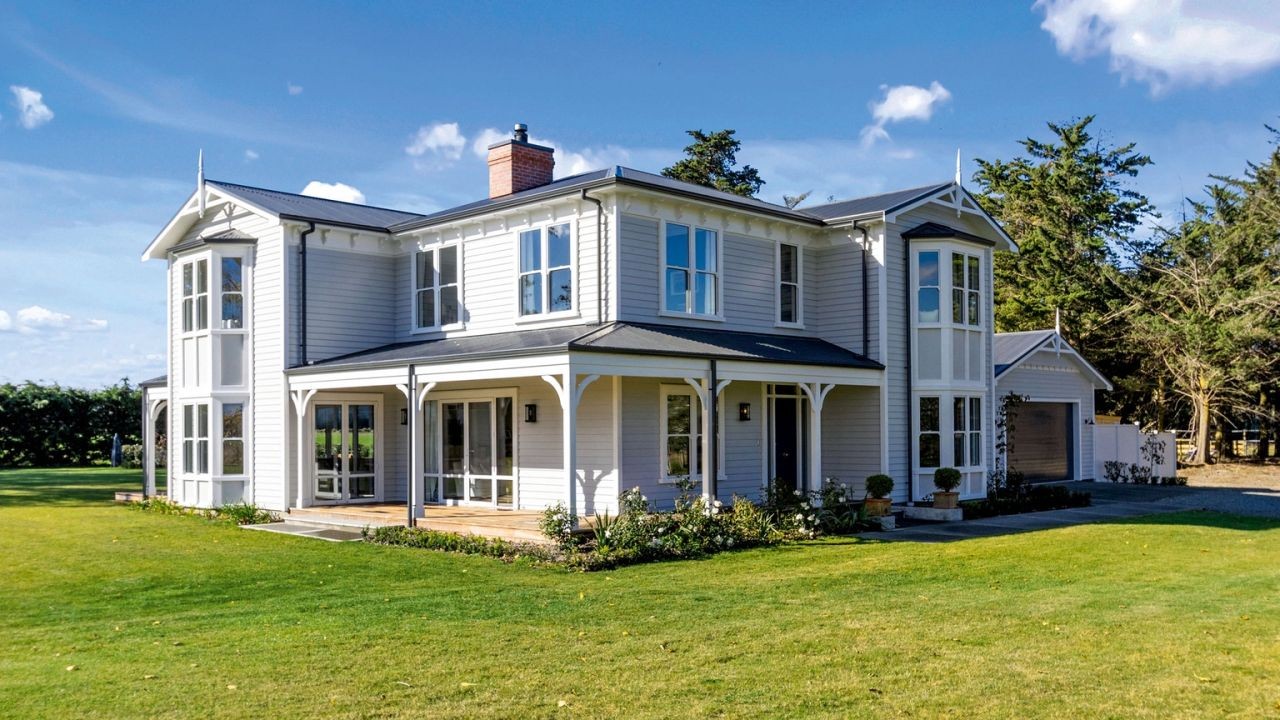
Problem: A heritage villa in Auckland faced structural degradation and needed a roof replacement without compromising its historical integrity. The owner sought a tradie with expertise in both Georgian architecture and sustainability.
Action: After a thorough search, the owner engaged a local tradie known for sustainable practices. The tradesperson used reclaimed native timber and solar panel installations discreetly integrated into the roof.
Result: The restoration preserved the villa's historical charm while increasing energy efficiency by 30%.
Takeaway: This case highlights the importance of selecting a tradie who understands both heritage values and modern sustainability practices.
Common Myths & Mistakes in Heritage Restorations
Myth: "Any skilled builder can handle heritage restorations."
Reality: Heritage restorations require specific knowledge of period architecture and materials, which not all builders possess.
Myth: "Modern materials are always better."
Reality: While modern materials offer durability, they may not be suitable for heritage homes due to incompatibility with traditional structures, leading to damage over time.
Pros vs. Cons Analysis
Pros:
- Historical Value Preservation: Restorations enhance cultural heritage and property value.
- Increased Market Appeal: Heritage homes attract a niche market willing to pay a premium.
- Government Incentives: Potential eligibility for grants and tax benefits for heritage conservation.
Cons:
- Higher Costs: Specialized materials and expertise increase costs compared to standard renovations.
- Regulatory Hurdles: Strict adherence to restoration guidelines can slow down projects.
- Limited Modernization: Balancing heritage preservation with modern amenities can be challenging.
Future Trends & Predictions
Looking ahead, the integration of AI and digital tools in heritage restorations is poised to become a game-changer. According to a report by the NZTech Alliance, by 2028, nearly 50% of restoration projects will incorporate AI for predictive maintenance and design accuracy. This trend promises to streamline the restoration process while preserving authenticity.
Conclusion: Making the Right Choice
Choosing the right tradie for heritage home restorations in New Zealand is a critical decision that can significantly impact the outcome of your investment. By prioritizing expertise, verifying credentials, and considering both local and global insights, investors can ensure their projects not only preserve history but also add value for future generations. What's your next step in preserving New Zealand's architectural heritage? Share your insights or experiences in the comments below!
People Also Ask (FAQs)
How do I verify a tradie's credentials in New Zealand?
Check if they are registered with the New Zealand Registered Master Builders Association, which ensures adherence to industry standards.
What are the biggest challenges in heritage home restorations?
Balancing historical preservation with modern living needs, managing higher costs, and navigating regulatory requirements are the primary challenges.
How can AI impact heritage restorations?
AI can enhance predictive maintenance and design accuracy, streamlining the restoration process without compromising historical authenticity.
Related Search Queries
- New Zealand heritage home restoration tips
- Choosing a tradie in NZ
- Heritage home regulations NZ
- Benefits of restoring heritage properties
- Modernizing heritage homes in New Zealand
For the full context and strategies on Choosing the Right Tradie for Heritage Home Restorations in NZ, see our main guide: Construction Safety Training Nz.