



Incorporating traditional Maori architecture into your home is not just about embracing a unique design aesthetic; it’s also an opportunity to connect with New Zealand's rich cultural heritage and embrace sustainable building practices. This article delves into the reasons why incorporating Maori architectural elements into residential design can be both culturally enriching and economically beneficial. We will explore the potential return on investment (ROI) and provide actionable insights for homeowners and builders.
Understanding Traditional Maori Architecture
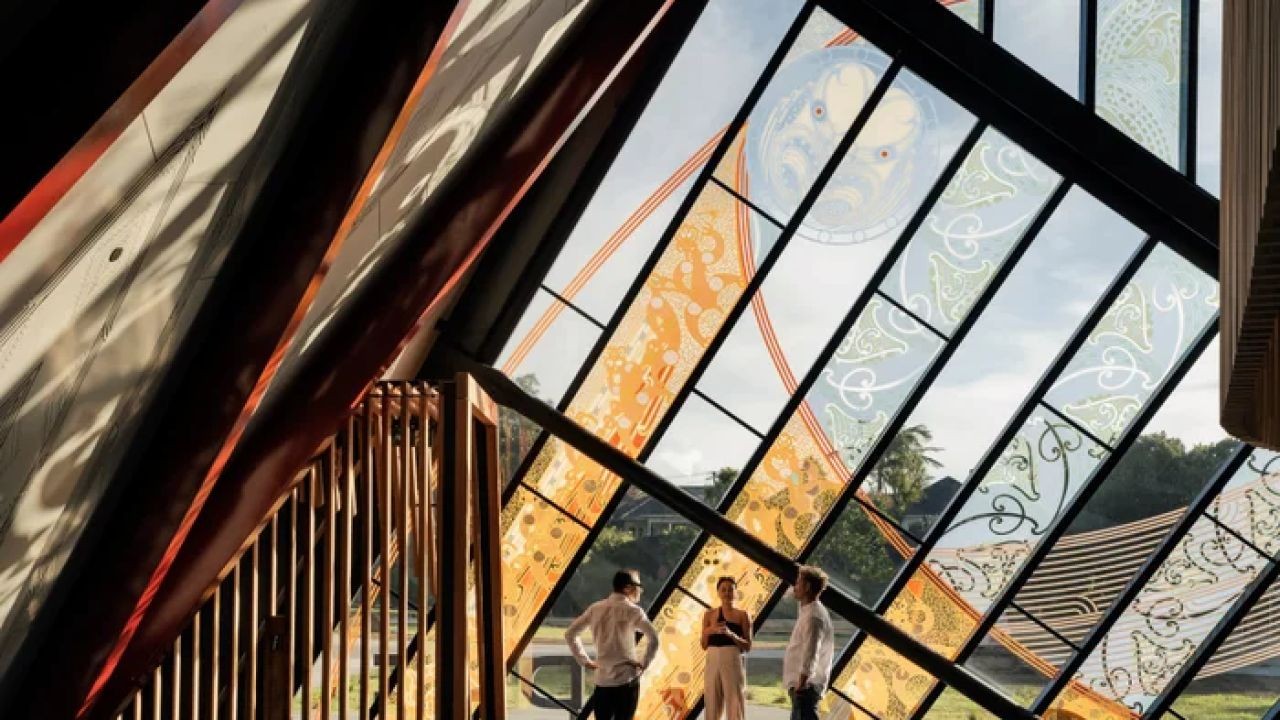
Traditional Maori architecture is deeply rooted in the culture and history of New Zealand's indigenous people. It reflects a unique blend of aesthetic beauty, functional design, and environmental harmony. Maori structures, such as Wharenui (meeting houses), are known for their intricate carvings and symbolic design elements that tell stories and represent tribal heritage.
Key Features of Maori Architecture:
- Wharenui: Central meeting houses that serve as cultural and community hubs.
- Carvings and Artwork: Richly detailed carvings depicting ancestors and stories.
- Natural Materials: Use of sustainable materials like timber, flax, and harakeke (New Zealand flax).
- Functional Design: Structures designed to suit the local climate and environment.
Why It Matters in New Zealand
New Zealand's growing focus on sustainability and cultural heritage preservation makes the incorporation of Maori architecture increasingly relevant. According to Stats NZ, the construction sector is a significant contributor to the economy, and sustainable building practices are gaining traction.
Relevance to New Zealand's Economy:
- Sustainable Building Practices: Aligns with New Zealand's commitment to reducing carbon emissions and environmental impact.
- Cultural Tourism: Enhances New Zealand's appeal as a unique cultural destination.
- Economic Growth: The incorporation of Maori architecture can stimulate local economies through increased demand for traditional materials and skilled craftsmen.
Case Study: Te Kura Kaupapa Maori o Te Rito
Problem:
Te Kura Kaupapa Maori o Te Rito, a Maori immersion school in Wellington, faced challenges with outdated facilities that did not reflect Maori cultural values.
Action:
The school collaborated with Maori architects to design new classrooms and facilities incorporating traditional elements such as Wharenui styling and sustainable materials.
Result:
- Increased Engagement: Student engagement and pride in their cultural heritage improved significantly.
- Environmental Impact: The school reduced its carbon footprint by 30% through the use of sustainable materials.
- Community Involvement: The project fostered greater community involvement and support.
Takeaway: This case study highlights the practical and cultural benefits of incorporating traditional Maori architecture in educational settings, leading to enhanced learning environments and community engagement.
Pros and Cons of Maori Architecture
Incorporating Maori architecture into homes and public buildings offers several advantages, but there are also challenges to consider.
✅ Pros:
- Cultural Enrichment: Fosters a deeper connection to Maori heritage and identity.
- Sustainability: Utilizes eco-friendly materials and design principles.
- Unique Aesthetic: Distinctive design elements enhance property value and appeal.
- Community Engagement: Encourages collaboration with local Maori communities.
❌ Cons:
- Cost: Traditional materials and skilled craftsmanship can be expensive.
- Regulatory Challenges: Navigating building codes and regulations specific to cultural designs.
- Limited Availability: Access to traditional materials and craftsmen may be limited.
- Cultural Sensitivity: Ensuring respectful and appropriate use of cultural symbols and designs.
Expert Insights: Rebecca Harrison, Print Media & Publishing Specialist
Rebecca Harrison emphasizes the importance of culturally sensitive design in modern architecture. "Incorporating Maori elements is not just about aesthetics; it's about respecting and integrating the cultural values that these designs represent," she explains. "Doing so can enhance the property's value and connect communities through shared heritage."
Common Myths and Mistakes
There are several misconceptions about traditional Maori architecture that need to be addressed.
Myth 1: "Maori architecture is outdated and impractical."
Reality: Modern adaptations demonstrate the practicality and sustainability of traditional designs, with many architects successfully integrating them into contemporary structures.
Myth 2: "It's too expensive to incorporate Maori elements."
Reality: While initial costs can be higher, the long-term savings in energy efficiency and increased property value often offset these expenses.
Myth 3: "Maori architecture is only for public buildings or cultural sites."
Reality: Homeowners can incorporate Maori elements into residential designs, creating personalized spaces that reflect their heritage.
Future Trends in Maori Architecture
As New Zealand continues to embrace sustainable and culturally inclusive practices, the role of Maori architecture is expected to grow. According to the Ministry of Business, Innovation, and Employment (MBIE), the demand for culturally resonant and sustainable building solutions is projected to increase by 20% over the next five years.
Future Predictions:
- Increased Integration: More architects will incorporate Maori elements into mainstream designs.
- Technological Advancements: Use of digital tools to create detailed carvings and designs.
- Policy Support: Government incentives for culturally inclusive and sustainable building practices.
Conclusion
Incorporating traditional Maori architecture into your home is more than a design choice; it's a commitment to cultural preservation and sustainability. By embracing these elements, homeowners and builders can create spaces that are both beautiful and meaningful, fostering a deeper connection to New Zealand's rich heritage.
Final Takeaway & Call to Action: If you’re considering a renovation or new build, explore how Maori architecture can enhance your project. Engage with local Maori communities and architects to create a home that resonates with cultural and environmental values. Share your experiences or insights in the comments below!
People Also Ask (FAQ)
- How does traditional Maori architecture impact New Zealand homes? Incorporating Maori elements enhances cultural heritage and sustainability, increasing property appeal and value.
- What are the challenges of integrating Maori architecture? Costs, regulatory issues, and material availability are key challenges, but long-term benefits often outweigh these hurdles.
Related Search Queries
- Traditional Maori architecture in modern homes
- Benefits of Maori design in New Zealand
- Sustainable building practices in NZ
- Maori cultural heritage in architecture
- How to incorporate Maori elements in home design